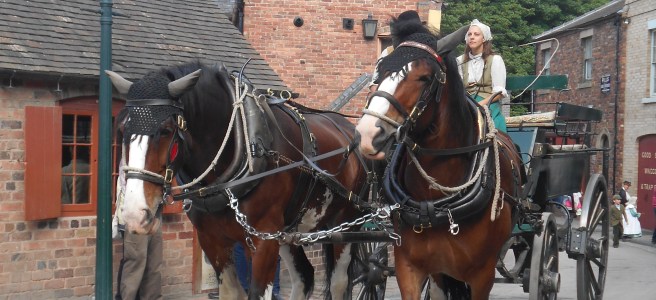
Just opened – no words, just pictures of all sorts to browse.





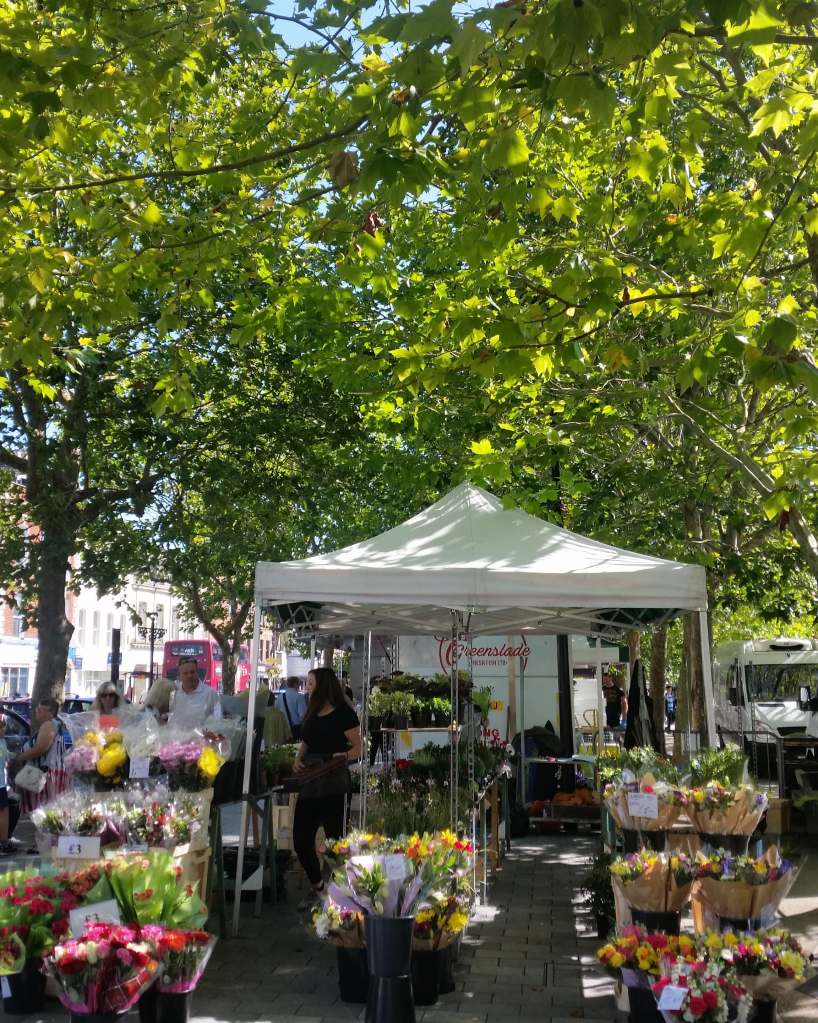

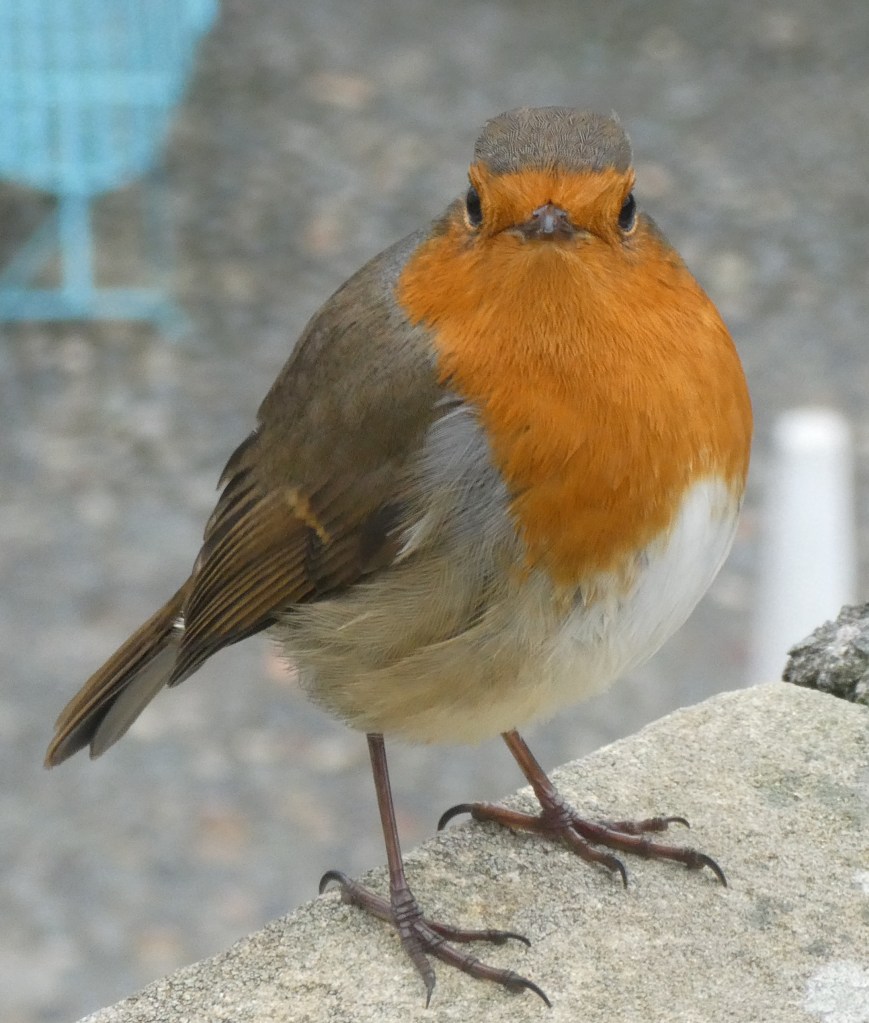


Just opened – no words, just pictures of all sorts to browse.

The couple winding their way down Glastonbury Tor were in colourful contrast to the middle aged couple, in their matching National Trust green anoraks, marching up the hill. She wore flowing skirts in every hue from lilac to violet and her Peruvian hand knitted jacket brightened the grey afternoon. He wore trousers of a rusty, rustic indeterminate material and a greengage green jacket lovingly hand woven by her.
‘I can’t believe it’s nearly Beltaine’ she said.
‘No,’ he replied ‘if this weather doesn’t warm up I can’t see new life arriving anywhere.’
She shivered. ‘I’ll be glad to get back to a nice warm cosy yurt.’
‘We’d better get a move on or the kids will be back.’
‘No they won’t Hengist,’ she smiled ‘Flint’s got maypole practice after school and Amethyst’s going round to her friend’s yurt.’
‘Well Aurelia, it should be a very cosy yurt.’
‘What’s for dinner Mum?’ yelled the children as they arrived back later.
‘Five bean stew and ground elder crumble; call your dad while I check if that wool’s finished steeping.’
Aurelia reached the reclaimed animal trough in the corner of the field as Hengist climbed carefully over the stile.
‘Only three eggs today, Hetty and Lotty could do with some sunshine as much as the rest of us.’
‘What do you think of this colour?’ she asked him, peering into the trough.
‘Looks the same shade of green as the last lot.’
‘I’m going to try making some new dyes in the summer, berries are going to be in this year.’
After dinner they settled down for a quiet family evening.
‘Has anyone seen my crystals?’ sighed Aurelia.
‘Help your mother look Flint; Amethyst, time for flute practice.’
‘Dad, will you play your lute?’

Later, as the children settled down to sleep, the parents chatted quietly.
‘Did you read that letter Flint brought back from Miss Fairweather, Hengist?’
“Yes, I think we’d both better go and see her. The only one with a problem is her. She was glad enough when he got the boys interested in maypole dancing, just because he explained the origins of the maypole… anyway, how was your new patient?’
‘She was a funny soul… I said to her
I’m alternative and herbal, not homeopathic, I do strong doses… no there’s no need to worry about hemlock and digitalis if you know what you’re doing.’
‘Old Bob said to thank you, his arthritis has hardly bothered him this winter, he’s going to recommend you to all his friends. Maybe you can give up your Saturday job now.’
‘But I’ve got to liking it and we needed that money over the winter.’
‘Now I’m hedge laying again there’s no need’ he pleaded.
‘I do like it Hengist, getting dressed up, having a laugh with the girls and it gets me out of the yurt.’

On Saturday morning Aurelia walked down to the town with her large hand woven bag over her shoulder. As she got on the local bus there was a musical tinkling from her earrings and bangles. She greeted other locals and after driving to Street they soon arrived at their destination, Clarks Shopping Village.
She entered the ladies and went into the disabled cubicle where there was more room. Carefully she took off her jacket of undyed local wool, rolled up her burnt orange and berry red skirt and slipped off the leather sandals Hengist had made. She stepped into her uniform, squeezed her feet into court shoes, gathered up her black tresses in a neat bun at the nape of her neck and finally put on a subtle pink lipstick and a suggestion of eye shadow. Aurelia walked out ready for a busy day at Marks and Spencer shopping outlet.
‘Hello Linda’ said her supervisor. ‘Till Four today.’
On Till Three her friend greeted her, caught her up with the latest gossip from the soaps and passed on her celebrity magazines. After a busy morning they went off for lunch at the restaurant.
‘It’s only once a week’ said Aurelia, as she ordered a Megaburger with extra French fries.

Where would you like to go for a day out? A popular choice in England is to visit a National Trust House. The National Trust is a charity which is over one hundred and twenty years old and owns and cares for 59 villages, 775 miles of coastline and vast tracts of hills and fields, all free for everyone to roam. Whatever your political leanings and thoughts on charities, I’m sure many would agree that these lands are safer with the National Trust than with governments, big businesses or greedy billionaires.

Despite all their other conservation work, Big Houses are what people most often associate with the National Trust, donated by landowners come upon hard times, or just moving with the times. Whatever their ancestors would have thought, the common people are now free to roam their estates. Not actually free; you have to pay to go in A Big House, unless you are one of the four million members; a few visits each year will make your membership worthwhile.
https://www.nationaltrust.org.uk/lists/fascinating-facts-and-figures

One thing is never guaranteed on your day out, the weather, but that would never deter the average member.
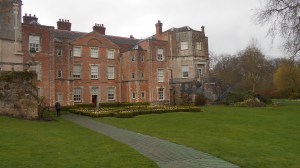
Once you have passed through the portal, you will enter a traffic free zone, except for the occasional buggy for those not up to striding round the whole estate. Your children can run around on vast lawns, visit the adventure playground, do school holiday activities or say hello to some pigs. Gardeners can admire walled vegetable gardens and beautiful borders, nature lovers can enjoy very old trees.
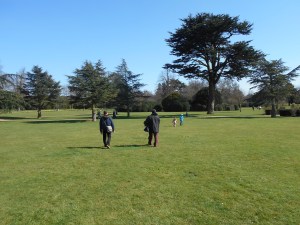
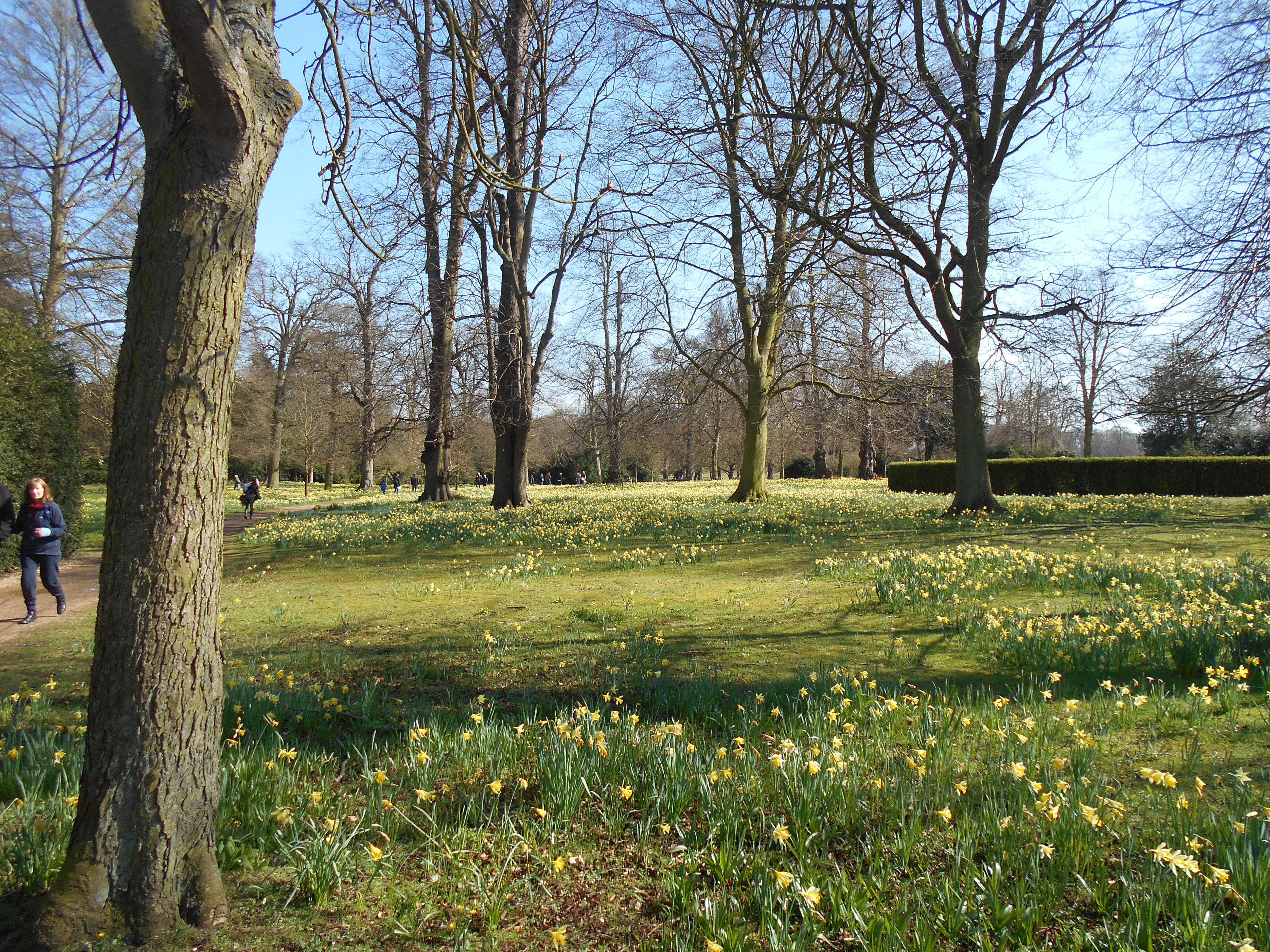
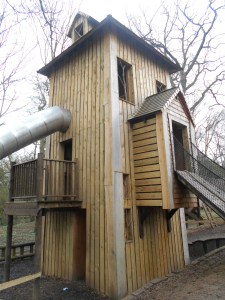
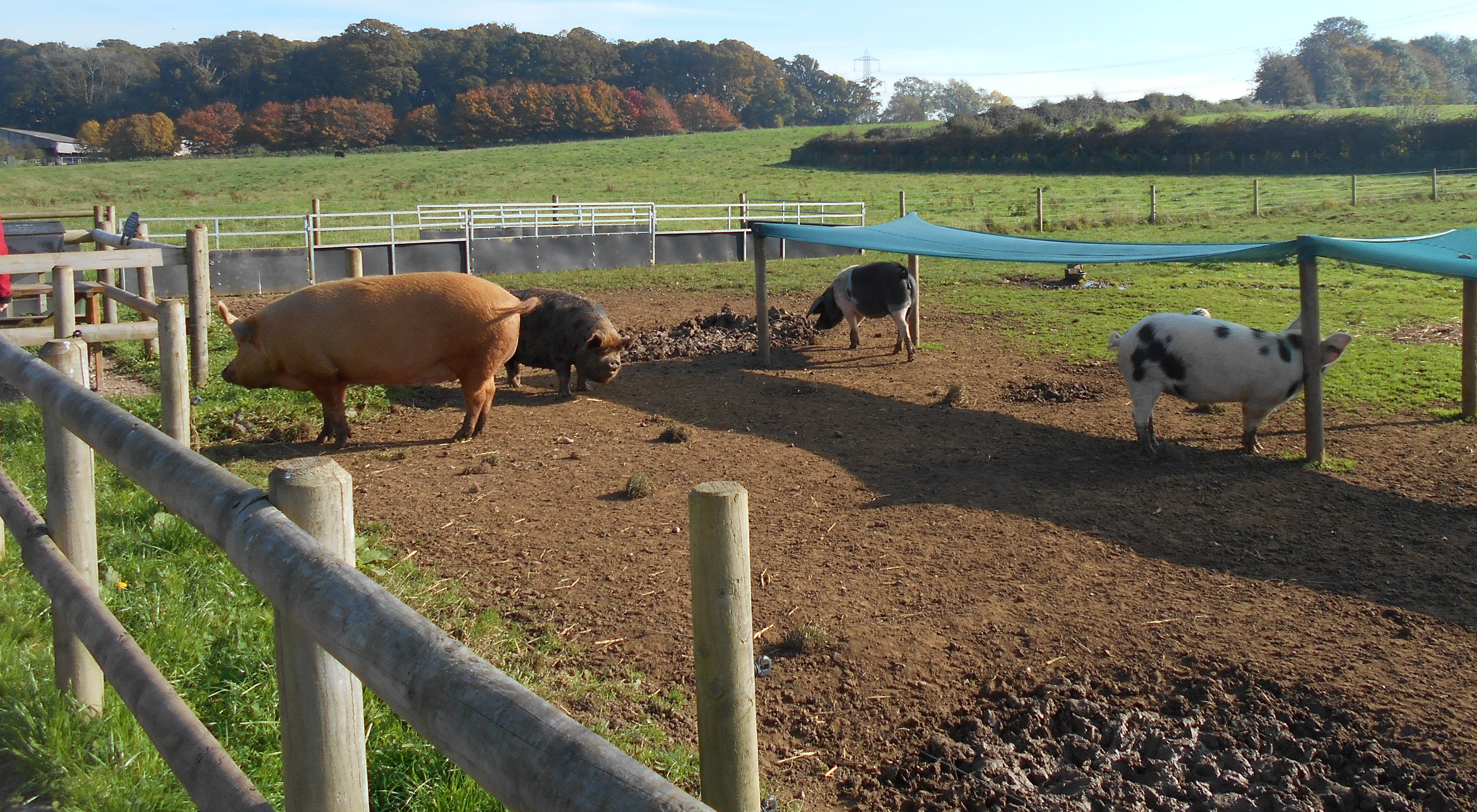
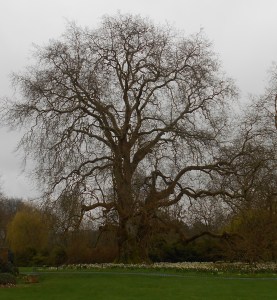


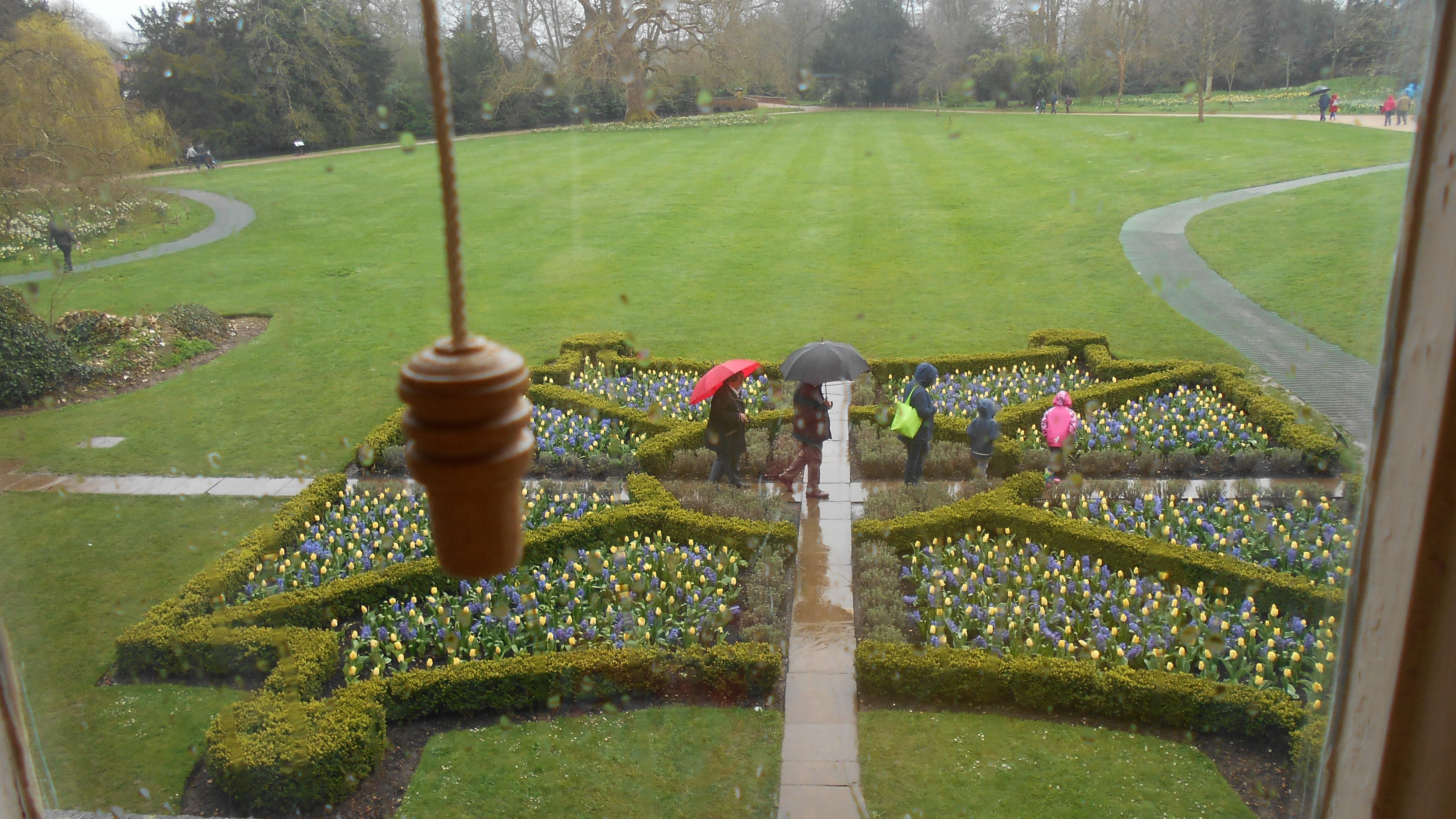
If it pours with rain go and look around the house, read about the owners, peep at family photos and ask volunteers questions. There will probably be an interesting exhibition to look at. There will certainly be sweeping staircases to ascend and descend and narrow stairs to climb as you visit downstairs where the servants worked, or upstairs where they lived.
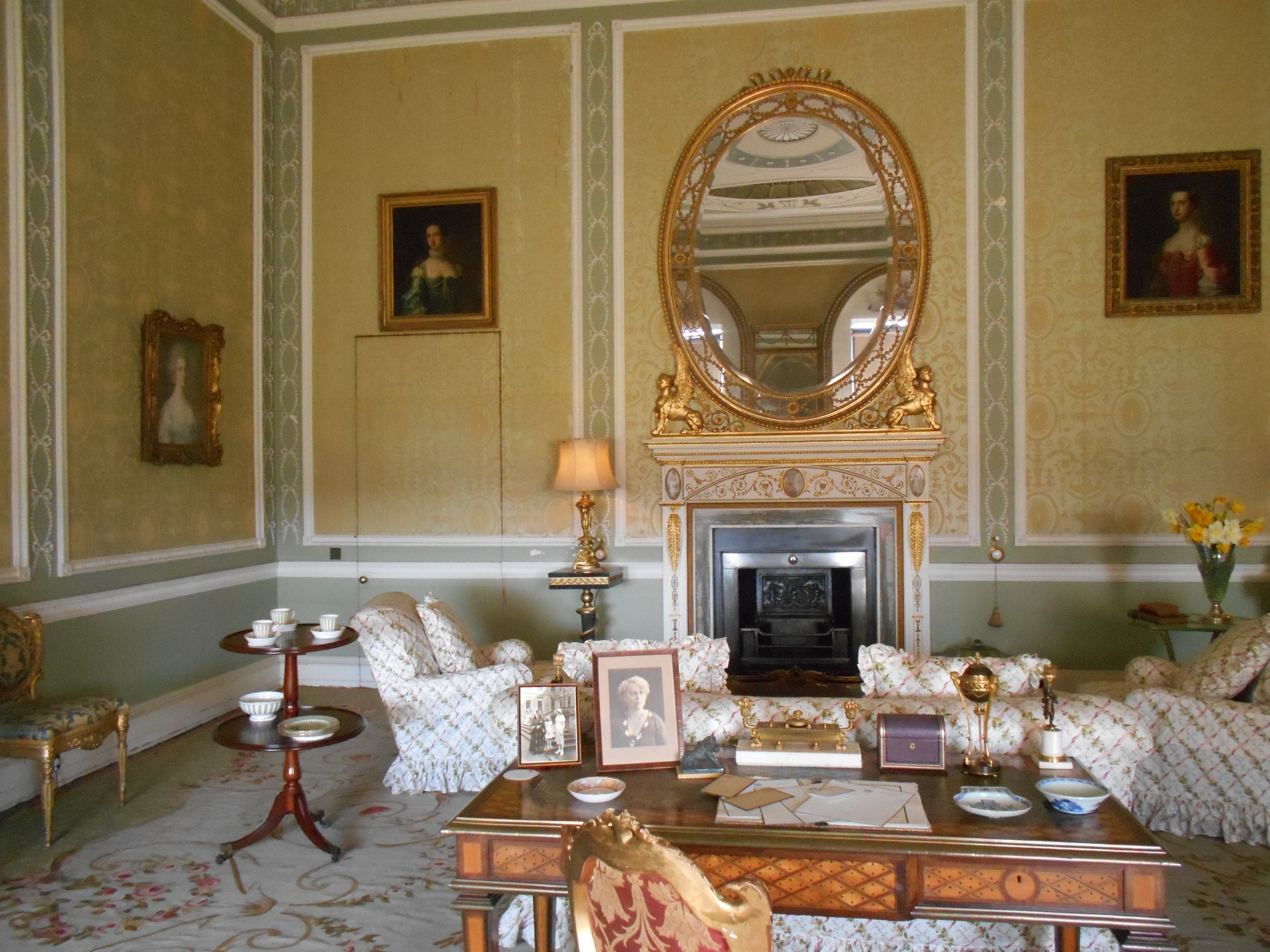


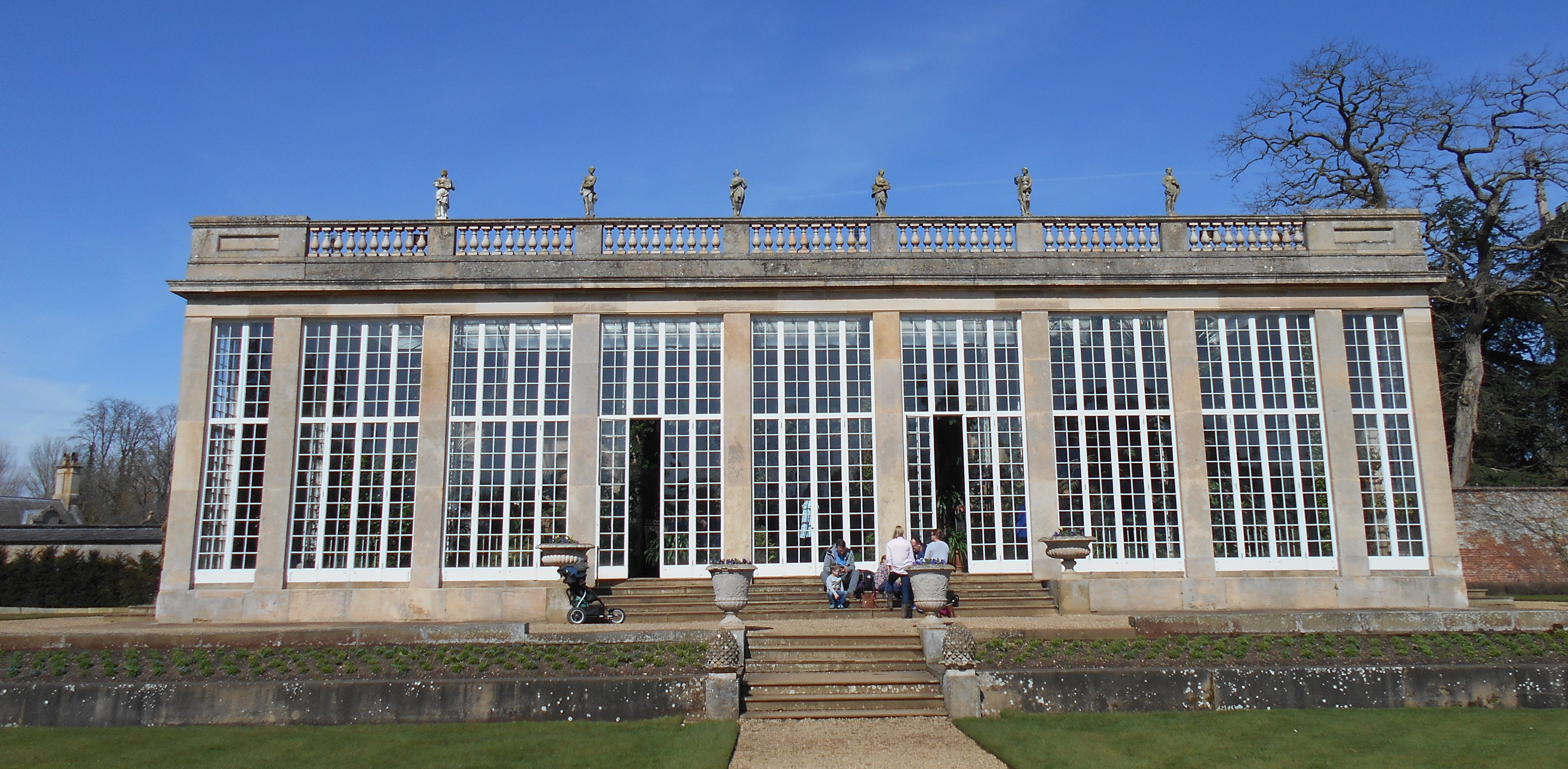
No visit would be complete without tea and cake or a nice lunch. This will be in the stable block, the old kitchen or the orangery, always a restaurant with character. Then you can rummage through the second hand bookshop which could be tucked away in an outbuilding. The Shop is a must; tasteful and expensive souvenirs, tea towels to bone china. Don’t miss the books, there are bound to be real life stories about the lady of the house or the black sheep of the family.
Perhaps you have visited Durlswood, you may or may not find it in the National Trust guide book, but you can read the mysterious happenings of 2014 in the novella Durlswood, part of the Someone Somewhere collection.


https://www.amazon.co.uk/review/RR03X4IAHQPGY


 Taking a trip to the seaside? No holiday is complete without a rainy day or several…


Guy and Harriet
Guy stood on the terrace, looking down upon the descending jigsaw of red, grey and black roofs that hid the town’s narrow twisting lanes. Then he gazed out towards the white flecked turquoise of the Atlantic Ocean and felt on top of the world. Spring had arrived at last and with it the visitors, business was looking up. Harriet had been right; living at the top of the town suited their family perfectly. A noisy family he thought ruefully, always squabbling and why did they always look so untidy? Guy himself was always immaculately turned out in his trademark grey and freshly laundered white.

Immediately below him a woman was hanging out washing, a lot of washing, she ran a bed and breakfast. It was a long trek for her guests, down to the smooth beach, especially if they didn’t know the way; they didn’t realise that when they booked up on the internet. Guy chuckled to himself; he could have told them the best way to get around town. He’d lived here all his life and wouldn’t dream of living anywhere else; beaches, grassy headlands, the harbour, art galleries and best of all restaurants and cafes that catered for every taste.

Harriet’s shrill call interrupted his thoughts. He called back.
‘No of course I’m not going to stand in the sun all day, yes I know I promised to go into town and get some food.’


He stretched his limbs, felt the sun on his face, sniffed the sea air then stepped forward and launched himself into the air. The first flight of the morning always felt good. He soared high, circled to test the currents then glided gracefully towards the beach, where he spotted his first business of the day, a happy family picnic. Stunned by his sudden appearance, a toddler held his arm outstretched. Guy swooped skilfully, then flapped his wings for a sharp ascent, a whole sandwich in his yellow beak.


Today is ANZAC day and what better way to mark it than with these poignant words from a special guest blogger. In the first of an occasional series my Sister Down Under writes about a unique island.
A Very Humble Monument by Kate Doswell
Some thoughts for ANZAC day 25th April, 2018.

I’m not sure what it’s like in other Commonwealth countries, but in Australia we take our war memorials very seriously, and rightly so. “Lest We Forget” is inscribed on most of them, and as we read down the long, alphabetical lists of names, we are reminded of the truly terrible cost of war. Even in tiny outback towns, the list seems far too long, far too many of the youngest and strongest of the community taken from those that are left behind to carry on.
Most of these monuments are made of stone, imposing obelisks in bluestone or limestone or granite, depending on where they are situated. They are usually in the centre of town. Running around the monument and integral to its form is a ledge wide enough to sit on. People may sit and contemplate awhile, or simply pass by on their daily business or as a visitor to the town. How many, I wonder, stop and read the names and wonder at the fate of these lost men? Do the locals become so used to it that they just pass by?

However, not all monuments are as striking or as prominent, and last week I found one that was truly humdrum. It was on the Island of Rottnest, 20 km from the West Australian Port of Fremantle. For many years this Island has functioned as a much loved holiday playground for the people of Western Australia, and the tourists who come to our isolated part of the world. It has a rather grand Roman Catholic church high on a hill, but the Anglican church is represented by a much older, but more modest chapel of limestone and whitewashed render.


I visited the chapel late in the day, as there were other tourist activities that had claimed my attention. The door was stiff to open, and the interior gathering the gloom of the impending sunset, so the first thing I noticed was the distinctive smell of very old (to our European Australian eyes) limestone buildings from the early settlement era. Above the altar, I could see a simple, but attractive stained glass window depicting The Annunciation. Turning from there I looked at the pews, some thought to have been made by the Aboriginal Prisoners for whom this Island acted as a prison for 60 years. There were brass plaques on the wall in memory of various European families who had played important roles in the Island’s history, but the one that caught my eye was one on the door of a storage cupboard at the back of the chapel. It looked relatively new – certainly not crafted by the Aboriginal men in the 18th century – and I guessed it had been built and installed after the chapel was reconsecrated in 1965. It was utilitarian – capacious and solidly built but without ornament or distinctive features. Except for the plaque. A simple paper notice, its words carefully handwritten in Old English script, and framed with a plain wooden frame, so small it could be covered by two hands.
“This cabinet is dedicated to the memory of those Rottnest Islanders who served their country in times of war and peace.”
I have never seen such a monument before, if I can even use the word monument. Is this the only place in the Commonwealth to have such a homely reminder of the dead?


I didn’t open the cupboard, I had no business to do so, but I imagined it containing vestments for the visiting priest, the chalice and paten, hymn books and orders of service, all the paraphernalia of a functioning chapel. I thought of those remembered by this most humble of monuments, and wondered if they would have been disappointed, aggrieved, or even angry that they had nothing grander built in their memory? But then again, maybe they would have been pleased that, having it placed on an object that was in regular use for the worshipers, they would readily and frequently come to people’s minds. These people, no doubt, would have attended this chapel, maybe some even came in the week before they left to sail away to war. Now, each time someone opens the cupboard and sees that little plaque, they are back here again. Back home to stay.

Observed on 25 April each year, Anzac Day was originally to honour the members of the Australian and New Zealand Army Corps (ANZAC) who fought at Gallipoli against the Ottoman Empire during World War I. It is one of Australia’s most important national occasions. It marks the anniversary of the first major military action fought by Australian and New Zealand forces during the First World War.

Planet Simon on Planet Earth…
Today is Earth day! Happy Earth Day 2018! Now more than ever we as the inhabitants of spaceship Earth need to think about how in our every day we need to look after ever aspect of this planet and everything that lives on it.


Also fin Planet Simon on Twitter
Come and visit find me on my Planet Simon Facebook Page
Find some of my pictures on Instagram
Also look me up on: Pinterest Stumbledupon Wattpad
Environmental heroes of the week. Would you like to live in an Agrihood?