No more trips to the chemist to collect your prescriptions? No more standing in a queue while the beleaguered pharmacist looks for lost medicines and other customers collect paper sacks full of their repeat prescriptions? Yes, no more trying to say your address and post code, your voice muffled by the masks we are still wearing in a ‘health care setting’. I heard the other day that in future we will use our 3D printers, which we will all have by then, to print out our tablets, probably combining more than one drug. Leave your computer on overnight to calculate the exact dose to suit your body mass and genetic make up. These tablets will be far more efficient, your doctor or consultant will no longer have to guess a dose that will work, but not blast you with bad side effects. Of course there is always the possibility we patients might accidentally give our computer the wrong instructions…
One thing many of us probably know about breast cancer is that you have to take tablets for five years after your main treatment, probably tamoxifen which comes from Yew trees. Looking this up I was rather disappointed to discover that it is taken from the bark of the Pacific Yew from North America. I had always fondly imagined scientists at dead of night picking berries from ancient yews in English churchyards. The early Christians built their churches on Druid sites; the Druids planted Yews as they regarded them as sacred; proven right because the Yew held the magic of healing.
It turned out that I am prescribed Anastrozole and I can’t find any romantic or ancient origins for it. Like tamoxifen it is a hormone inhibitor to protect against the types of breast cancer that love oestrogen. This is a tiny tablet to take once a day and because oestrogen is good for your bones I also have to take a very big tablet twice a day called imaginatively Adcal – D3, full of calcium and vitamin D3! Luckily these big tablets are chewed.
On my final appointment with the oncologist he said five to seven years, funny, he said five years earlier on! Perhaps I will be on Anastrozole long enough to be printing out my own tablets. Every breast cancer patient is under the hospital for five years after the main treatment, with breast care nurses at the Ladybird Suite – at my hospital, presumably other hospitals have other cute names – who can be contacted any time.
With one in seven women getting breast cancer ( six in seven Not getting it! ) at some stage, the system seems to run on very efficiently, with charities like Breast Cancer Now providing a great deal of information and help, from leaflets at the hospital to phone and on line help always available.
My last radiotherapy session was on Tuesday. On Monday there was a phone call from the radiotherapy department; I wondered if they were ringing to say there had been a terrible mistake that morning and I had been given ten times the right dose. Not just double; it’s more likely a decimal point or zero might get misplaced… actually they just wanted to ask if I would mind coming in later as the engineer was coming to fix the machine… hmm wonder if it WAS working properly in the morning?
It was rather sad saying farewell to the lovely staff, though on the previous Friday I thought I might stay there forever. I had breezed out of the main waiting room after my treatment, yay it’s the weekend ( Not that there was anything special happening at the weekend except not going to radiotherapy ) saying farewell to the chaps drinking water getting ready for their prostate treatment. I sauntered up the corridor only to find the double doors closed and locked. This had happened to me once before. That time I had been relieved to hear voices behind me; some of the staff were going for their coffee break and swiped a card on a box. This time there was not a soul in sight or sound.
The welcome sight of open doors.
I returned to the waiting room, but there was nobody on the desk. Who to ask, who to find? One can hardly go barging into treatment rooms, or disturb radiologists in the control room when their patient is being irradiated. I could only hover by the changing cubicles hoping to catch someone collecting their patient. Fortunately, from another set of double doors that said Staff Only emerged a chap in plain clothes, one of the numerous persons, with lanyards and ID cards to distinguish them from patients, who stride purposefully up and down corridors and stairs. I alerted him to my plight.
‘This always happens on Fridays when they test the fire alarms.’
He went into detail about magnetic doors as we marched up the corridor. As we reached the doors he said
‘Hmm, let’s hope this works.’
I had assumed it would. Luckily it did.
Meanwhile back to my last session… The third zap above my collar bone, targeting lymph nodes, has been the only one where I can look up and see the square screen through which invisible rays are emitted. Strange shutters above the glass move in and out, up and down, but it is usually quick. This time things seemed to come to a halt. I waited for the familiar buzz, wondering if the machine had broken down and when no one spoke over the intercom, fearing they had all gone home. I was tempted to move my arm as my shoulder felt sore and I began to imagine the horrors of the rack or crucifixion. Then the buzzing started.
I was given a help sheet to add to my collection. The effects of the accumulated radiation carry on for another couple of weeks, not that I had had any bad effects. I do now have a big square and a smaller square that look like sunburn. I had imagined the target areas being round. I was told to keep the area protected from the sun. ‘For how long?’ I asked. ‘Forever’ was the reply.
Week Three after my first chemotherapy session included an appointment to oncology outpatients to see a nurse. I told her how fit I was feeling and she reassured me the fatigue would get worse each time ( perhaps she said slightly worse ) and it was amazing how fitness levels dropped. She also said this was the week when hair thins… but she did order me mouth wash for next time; sore mouth and food tasting like mashed cardboard is probably the worst part. But like the fatigue it had suddenly got better and food tasted wonderful.
Sure enough, two days later my hair did start falling out; yay, no need to bother with the cold cap next time and I could get out my collection of colourful scarf/hat Chemo Chic wear, mostly ordered from Hannah Bandanna. It didn’t all fall out and I look rather like my grandmother, who even when I was young had very sparse wispy white hair. We just took this as being what a grandmother looked like, along with the large pink plastic whistling NHS hearing aid box that hung on her chest. Now I wonder if the hair loss was upsetting for her and was it the stress of bringing up three children while Granddad was away in World War Two ( away in Southport with the civil service, not on the front, he had already done that in WW1) or perhaps genetic, her sister was completely bald and hung her wig on the bed post overnight.
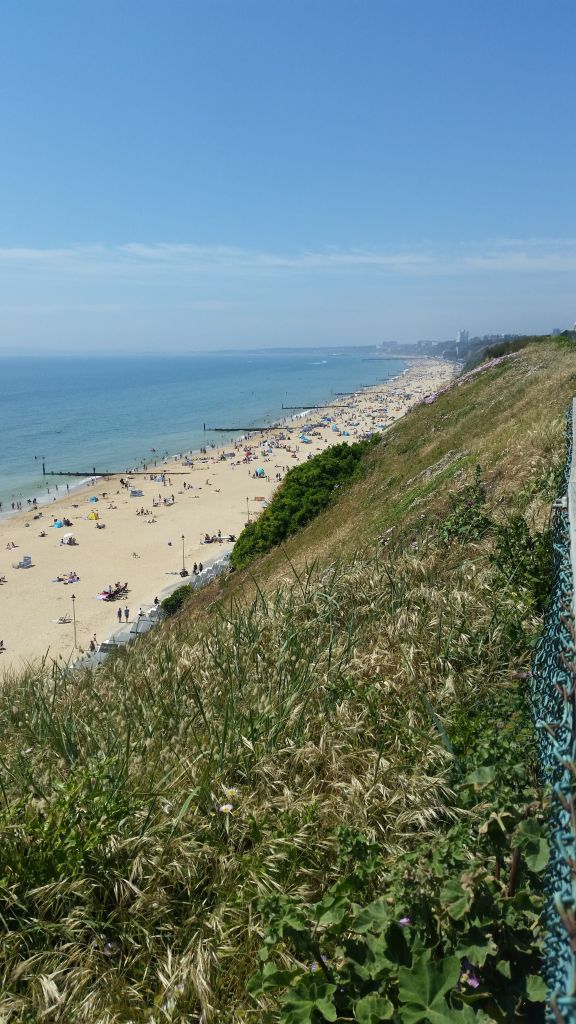
Sunday ‘chemo eve’ I went with my son to the beach hut and we had a swim in the sea. He probably got more than he bargained for; walking along the cliff top we met a couple I know, who hadn’t heard about the big BC. He has lung cancer so lots to chat about! On the way home, walking along the promenade, we met more friends at their beach hut and she recalled her bowel cancer treatment… You’re never alone with cancer!
In the ward on Monday was the young lady from last time with a full head of hair and about to put on the cold cap, proof it can work. The lady opposite me was sitting quite happily with her bald head uncovered. They were trying to put in her canula, while she repeated she didn’t usually have any trouble. At the chemo group chat the sister had said they can always find a vein. I gather putting a canula in is a nerve wracking rite of passage for medical students and I would certainly not like to try putting a needle into and not straight through a thin or even invisible vein.
Smugly I assumed mine would go smoothly, but my nurse also had trouble. I have only one arm they can use – the arm of the lymph node removal is apparently out of bounds for everything including doing blood pressure. Inevitably the desperate tapping of veins etc has to be performed with the patient looking on, which can’t help, but third time lucky. Meanwhile it was about fourth person lucky, a nursing assistant, who managed to get into the vein of the lady opposite.
The ‘red poison’ is put in slowly by syringe; it is so strong they must keep a close eye to make sure it doesn’t go into surrounding tissue. The second drug just goes in by drip and was only supposed to take fifteen minutes, but no sooner had I messaged my lift that I wouldn’t be long than the alarm beeped. The drip had come to a halt; much tapping of the tube and fiddling with the box the tubes feed through between the bag and the arm. In the end the nurse removed the yards of plastic tube, dumped it all in the bin and started with a new length of tube; an idea I had been tempted to suggest myself. All was well until just two minutes left when it stopped again, luckily she was able to restart.
Soon I was ready with my bag of prescriptions to take home, the large bottle of mouth wash making it deceptively heavy. I followed the WAY OUT signs, but luckily paused at the entrance to rearrange my stuff and glancing in the prescription bag realised the seven day course of injections ( which stimulate white cell growth ) was missing. The centre is actually in temporary accommodation in a large ward while the regular place is being upgraded; I had great difficulty finding my way back through the maze of desks, little rooms and other bays till I found Bay Three. My needles were still in their fridge.
At home three days later I was waiting for the district nurse to come and do my first injection, they can call any time between 8am and 5pm, but I had this funny feeling the hospital may not have contacted them and phoned up before noon to make sure. No they did not have me down and did I have the prescription form? NO, I had not thought to look in the bag and check. They cannot do injections without the oncologist’s prescription form on which they have to stick a tiny label peeled with difficulty from the syringe and write the date. What number to ring? After searching through my bundles of information I had no idea, but actually phoning the main hospital number and working through the options is the easiest approach and I did end up in the right place. The nurse said notification should have ‘gone to the hub’ and then out to the district nurse. I was home alone and no I couldn’t send anyone to fetch the forgotten prescription. Fortunately she agreed to phone the district nurse and email them the form… I wasn’t totally convinced and had almost given up hope when the nurse turned up at 4.55pm.
Now my aim was to learn to do injections myself, it looked quite easy. In the stomach is not as bad as it sounds, subcutaneous, under the skin, just a matter of taking a fold of fat skin. I’m sure there are many people out there used to doing injections on themselves for various conditions, but this was my first time. The next day I did it under supervision, no problems, yes I would manage fine by myself tomorrow.
The nurse said the cap on the needle point is very stiff so you have to grip tightly and pull hard. Next morning I did exactly that… the plunger came out and liquid sprayed into the air. I had broken it. I took out another syringe and made sure I gripped the right part, success. Perhaps I would keep quiet and not tell anyone about the broken one…
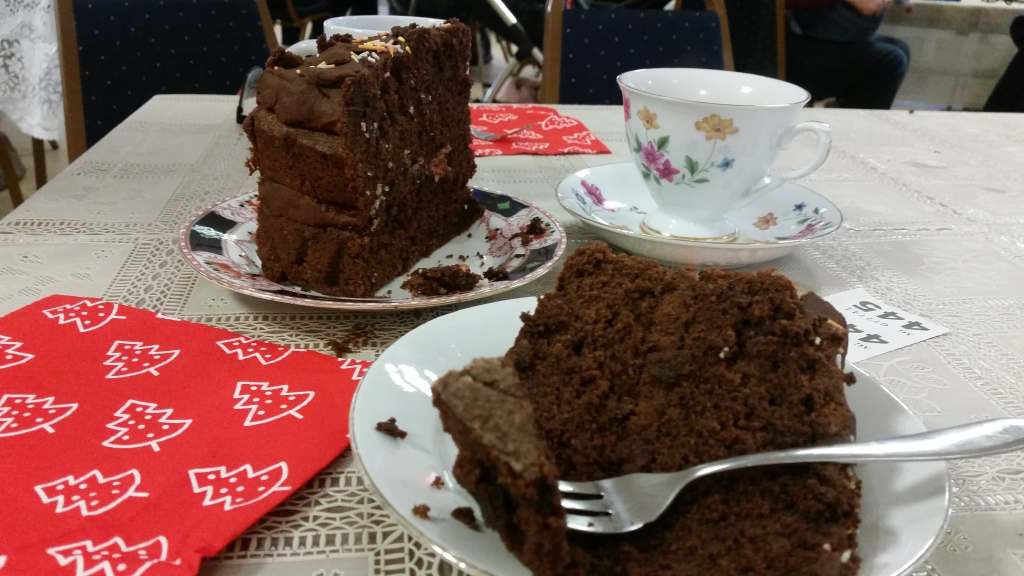
The group chat on chemotherapy for beginners I saw as a last chance to be out and about. I had been to a similar thing with Cyberspouse in autumn 2018. In those pre Covid times we all sat round a big table in a small classroom and it was a very jolly affair, with our English compulsion to make jokes in medical situations. Most people brought their spouses and there was tea and cake in the middle. This time we were in a church centre opposite the hospital in a large hall with spaced out chairs in rows. Everyone was heading for the back rows so I thought I would be helpful and choose the second row. A mistake as I couldn’t see everybody else properly. We were all given a home work pack and a cup of tea.
All you need to know from this chat is that chemotherapy kills fast growing cells, if it killed all cells we would be dead presumably. Fast growing cells include not only malignant ones, but those we need, such as white and red blood cells, also those we like such as our hair. All chemotherapy is different, a variety of chemicals depending on which part of you they are targeting and every patient can react differently. What is for certain is we all lose our immunity and get fatigue, a variety of available drugs and vast medical experience should prevent nausea and vomiting these days. The Big message was Ring the Hot Line, the number on the Red Card, the number written on every piece of paper and leaflet issued. Any symptom that you normally ignore Ring the hotline from toothache to temperature.
That done I walked down to the shopping centre in the sunshine and headed for Beales’ department store, ironically still open, though its flagship store in Bournemouth closed down even before Covid. The new very bright café upstairs is quite spaced out and quiet, people are still asked to wear masks in shops, even though Boris says we don’t have to and I did not want to catch anything before my Covid test in a few days. The top floor had turned into a clearance section and I bought a few little things plus my fabulous bargain of lined curtains, intended for interior decors, but ideal for my beach hut… once I have made a very big hem. Curtains are actually very heavy and I had to ask for a carrier bag which fortunately was environmentally friendly and edible. The bus driver said how nice it was to see a Beales’ bag again. I felt like I had had quite an exciting day!
Isolating or not isolating for chemo in covid times is still rather vague, urged to be very careful, but told to carry on with normal life as much as possible. Friday saw me back at the hospital for a Covid test; this time I went straight home. Saturday night I cooked a roast chicken for the four of us, my daughter had a long weekend pass and Sunday we walked to the beach hut and went swimming. At this point I was feeling very fit, I have been walking more than five kilometres and doing loads of gardening…
Monday was chemo day at the cancer centre in the Yellow Zone of the hospital. My daughter took me. In pre covid days you could bring a friend for company. Now no extras set foot past the front desk. Having been told I would be there for four or five hours on the first visit and to bring things to do and lots of layers to keep warm with the cold cap, I was the only patient there with a large overnight bag. Our little ward had four reclining chairs and one young woman had a cold cap on, looking like something out of a brain transfer in a science fiction film. I asked if it was her first time and she said no and you get used to it.
As I had to have an anti nausea tablet which takes one hour to work, but lasts for five days, it seemed worth filling in the waiting time by at least trying the cold cap, which has to start forty five minutes before chemo. First your hair is sprayed with water, then a rubber cap on, then the metal helmet which must be tight fitting. Cotton pads are put on your forehead to stop it rubbing, but the water and pads made me think of the electric chair… The weight was probably worse than the cold in giving a bit of a headache, it turned out I could have brought my own paracetamol. You are allowed to stop if you don’t like it…
I was the only new person, one old / older lady said she enjoyed the day out and we had all chosen a hot lunch from the menu. My chemo actually only took seven minutes for red stuff in a syringe into the canula and then a drip for twenty minutes, but followed by another ninety minutes of cold cap. I was allowed to go straight away; three hours and ten minutes and I had only looked at my newspaper and phone, puzzle books and kindle untouched.
Back home I thought I would recline on the sofa with a cup of coffee and heard my daughter on the phone telling her brother and husband I was asleep on the sofa, no I wasn’t… later on I thought I would get up and get the washing off the line and water the garden, but I only took one thing off the line and felt wobbly…
In the days that followed I had seven daily injections given by the district nurse, these boost your white blood cell production. On the first visit she took my temperature and it was too high, so I did have to phone the hot line; fortunately it was borderline and I had no symptoms, so I was told to keep checking my temperature. In the following days I did virtually nothing and my mouth got more sore, another side effect, but I was still eating. So this was the famous fatigue; just like when you feel wobbly recovering after an illness only more so, wondering if you will ever leave the house again or how you could possibly have thought it would be easy to post blogs while you were stuck at home. This is just a tiny insight into what it must be like for people with long term chronic conditions and those who now have Long Covid. Apart from that there was nothing else to complain about and low and behold I was back pottering in the garden on Friday and walked round the block this morning. Tomorrow, two weeks after chemo, is a visit to oncology outpatients to see the nurse, then Friday will be another Covid test and blood test to see if I’m ready for the next round…
If you are squeamish or do not like dark humour read no further.
One of the leaflets I received, produced by Breast Cancer Care is called Understanding Your Pathology Results, but most of us can only glean the meaning of some of the main terms. After all, the surgeon, oncologist and anonymous people in the laboratories have spent years studying human cells and what can happen to them.
When we went back to the Ladybird Suite ( pink zone ) to see the surgeon three weeks after my operation, the first item on the agenda was an examination. She pronounced the work of her colleague to be excellent; she was hardly likely to say ‘Oh my God, what on earth has he done!’ The whole area felt like a water bed, but this is normal, all those lymph fluids that were going into the wound drain bottle had nowhere to go, but eventually are absorbed – unless you are unlucky and have to have a bit of plumbing work done!
Then through the magic door into the consulting room where my daughter-in-law joined me as another pair of ears and moral support. The consultant said ‘We made the right decision to take everything away’ – she did not word it exactly like that. In layman’s terms there were lots of bits including quite a few lymph nodes. ‘So all the cancer is gone BUT you Must / Need / We Recommend chemotherapy followed by radiotherapy and then hormone treatment.’ WHAT!
Just because your aunt had a mastectomy years ago followed merely by tamoxifen for five years and your friend is just having radiotherapy, does not mean you will get away with it. Everyone is different and there are all sorts of tumours and grades. Basically our useful lymph nodes are also good at spreading cancer anywhere so the chemotherapy is a preventative attack. Next on the agenda was a CT scan of everything except my arms and legs to check if any cancer cells had turned up elsewhere.
No problems finding the CT place; I had already been to the blue zone for my MRI, not far from Costa Coffee and the main entrance. But somehow I couldn’t find CT. I asked at the MRI reception and she said We’re minus 1 you need to be on zero. Follow the green wall and turn left at the end, then go up in the lift.LIFT! I don’t do lifts, but luckily there was a set of stairs. There is not much drama for the CT, except you have to drink lots of water and have a canula put in your arm so dye can be injected. The scan doesn’t take long fortunately after all that water.
By the time the oncologist appointment came round it was the school holidays and Team H came to stay for the first part of their summer holiday, so my daughter could come with me. We went to town early so we could go to Marks and Spencer, actually try clothes on in the new ‘post Covid’ freedoms, though still wearing masks. Lunch out, still a novelty for me, then a stroll up the road to the hospital and back to pink zone. Oncology outpatients is down on Minus Two Floor, but strangely we were on ground level with a pleasant courtyard outside.
Our temperatures were taken ( Covid reasons ) and I was weighed and my height measured.
Warning cancer jokes…
When my aunt was receiving treatment for secondary cancer ( yes it came back years later ) she joked to the nurse ‘Well I have discovered one thing, if you don’t eat you lose weight’ then realised the nurse was a very big girl.
The waiting room was quite nice with the usual relaxing seascapes; I thought it would liven things up if they had darker paintings like Edvard Munch’s The Scream or a few Hieronymus Bosch paintings of hell.
We didn’t have to wait long to see the oncologist and my breast care nurse was also there for support. No one can force you to have treatment of any sort; it’s at this stage celebrities go off to live on a diet of raw vegetables and try alternate therapies. The rest of us do our best to make an informed choice and writer me likes asking questions.
The CT scan was clear, excellent news. But chemotherapy was still recommended. I asked about the base line of doing nothing; fifty fifty chance of cancer returning in the next ten years, the odds only going up by 8% with chemo. That didn’t sound much, but radiotherapy added another 7% and the five years of hormone treatment another something or other. Cancer could spread to the lymph nodes in the neck, which is exactly what happened to my aunt, though she had made it well into the new century and her eighties by then… My daughter was trying to read the indecipherable charts on the screen … Statistics don’t mean a lot, they could say forty % of patients who had no chemo died within five years, though some were in their nineties, others had heart attacks, a few got run over by a bus and one fell in a volcano doing his bucket list.
I had hardly any of the risk factors for breast cancer, so we can never make assumptions and you can never know for sure the alternative outcome. Nor can they tell you how the chemotherapy will affect you as everyone is different, except, annoyingly a guarantee your hair will fall out! What would you decide?
Yes, might as well give it a go. After I signed the consent form we went into another little room with seascapes to chat with the nurse about all the downsides and I had to decide if I wanted to book the cold cap, which may or may not stop your hair falling out.
Next on the agenda is the ‘group chat’ in the church hall opposite the hospital; learning about chemotherapy. Also a home visit by the community oncology support nurse and then start treatment on 23rd August. Everything is very efficient.
In the meantime I have been swimming in the sea and gardening and walking.
Whether you consider it started at the twelfth stroke of midnight, first of January 2020, or a year later, I think we can all agree the third decade of the Twenty First Century has not started well. But even if we have lost loved ones, friends or fellow bloggers, life inevitably goes on, though ‘normal life’ still seems a long way off. My life took an unexpected turn a few weeks ago when I was diagnosed with breast cancer; treatable and curable, so at my age ( not that I’m that old… ) can’t complain! It IS tragic when young mothers get the more aggressive forms of breast cancer, it is tragic when any young person or child has cancer, life is not fair and none of us know the rules of the game…
In the space of a few weeks I have entered the system, had all sorts of tests and my operation brought forward. The NHS has come up trumps, but it is true that breast cancer has had a lot more attention and research devoted to it than other cancers. It is also true that if you have other undiagnosed chronic conditions you are not funnelled so swiftly and kindly onto a pathway.
Many of us have tests of various sorts over the years with all the wonderful magic waves, magnetism, ultra sound that exist these days, then feel a bit guilty when it turns out nothing is wrong, you were just anaemic or it was just a pain, nothing serious. Then one day the atomic super scanner does find something; to say it’s unexpected is not true. I have lived with cancer all my life, brought up on the stories of my grandmother, who died of bowel cancer at 56 when I was little; the only grandchild she would get to meet. My grandfather had died suddenly the year before, also 56. A short time before, he had been saying how good life was, with lovely little me and my grandmother returning from hospital after a ‘successful’ operation. Family legend has it that Grandma ‘gave up’ after losing her husband; the reality was that there was no cure for bowel cancer then. But it is true that my mother walked into her mother’s bedroom one day when she was undressing and saw lumps on her body. She was shocked that her mother had not told them or gone back to the doctor. I seem to have always known this story with its vivid image of cancer bursting out all over the place.
Few modern women can be unaware of cancer, expecting or fearing our wombs, ovaries or breasts to be invaded at any moment, not to mention all the other parts of our bodies. I am not a doctor or scientist, but the simplest explanation I have read is that it would be a surprise if people and other creatures did not get cancer; our bodies are a mass of living cells designed to constantly reproduce, sometimes they go awry. When my aunt in her seventies sailed through her mastectomy I said I would never be afraid of having one; my mother had a mastectomy in her nineties and took it in her stride, living long enough to die of old age. With my father dying of leukaemia and my sister surviving cancer a long time ago I have glibly assumed it was just a matter of when, not if I would get cancer. Humans are living long enough to increase our chances of succumbing; there are no magic bullets because there are a multitude of cancers, lots of people get better or have a long remission, others don’t. I have no more right to survival than anyone else, only to not cause my family any more stress after losing their father nine months ago. The Game of Life is strange; a local friend has just had a mastectomy and my old school friend was having breast surgery the day before I got my diagnosis, I am certainly not alone.
Warning Cancer Joke
Doctor: ‘I’m sorry to have to tell you the tumour is malignant.’
Patient: ‘Oh thank goodness, I was worried it was cancer.’
And more irreverent thoughts…
Daughter on phone trying to sort out my iPhone account… Me: ‘Just tell him I can’t sort out my phone cos I’m a widow and I’ve got cancer’– Yay, now I have two reasons for not doing things…
Yes there are plenty of positives. I can’t go to the camera club AGM as I’m isolating ready to go into hospital on Friday – oh hang on, roadmap delayed, AGM will be on Zoom, I can go…
Our family has a tradition of feeling guilty, about pretty much everything and now a weight of guilt has been lifted off my shoulders. I can hold my head up high and look others in the eye. No longer feeling guilty for going around being healthy while others have so many medical burdens to bear.
How lucky that my younger son and his fiancée have given up their rented home and are moving in with me this week as part of their plan to be in a better situation to buy their own place. Their planned seaside break next week has turned into being carers, not so lucky for them…
My NHS daughter will be organising her brothers and the NHS as she did last year; as she is a physiotherapist she will make sure I do my exercises.
It has rained a great deal, summer solstice was a wash out, but at least my garden won’t need watering for a little while because…
As I am having lymph nodes taken out as well there will be lots of things I can’t do with my right side like gardening, cooking, housework… More importantly maybe I won’t be able to type much – good excuse for blogging being erratic, though perhaps I’ll post lots of pictures.
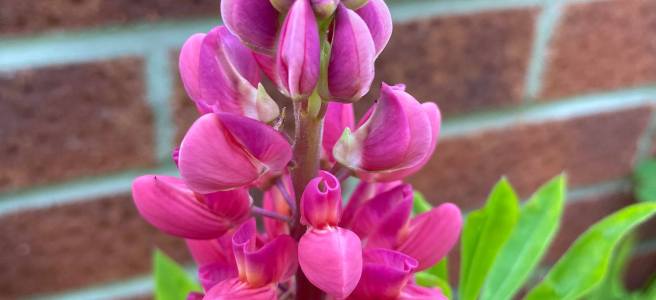
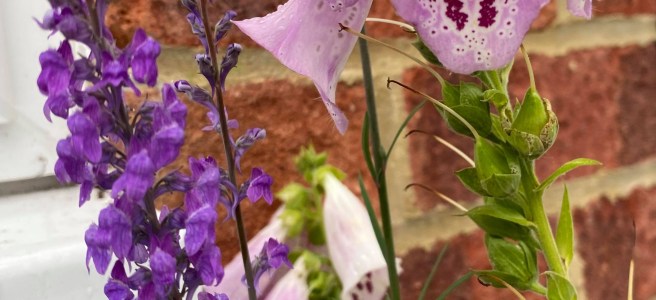
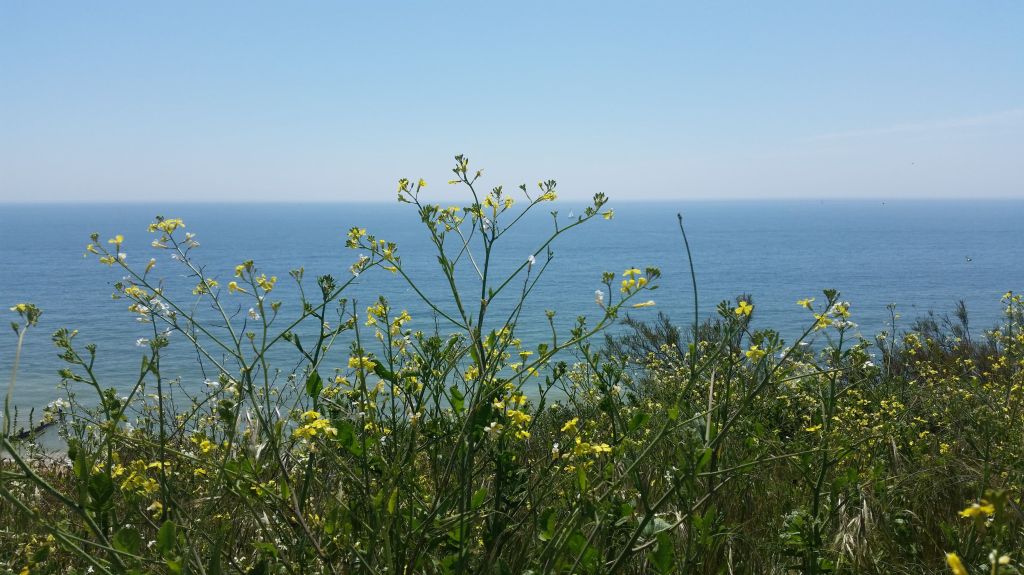
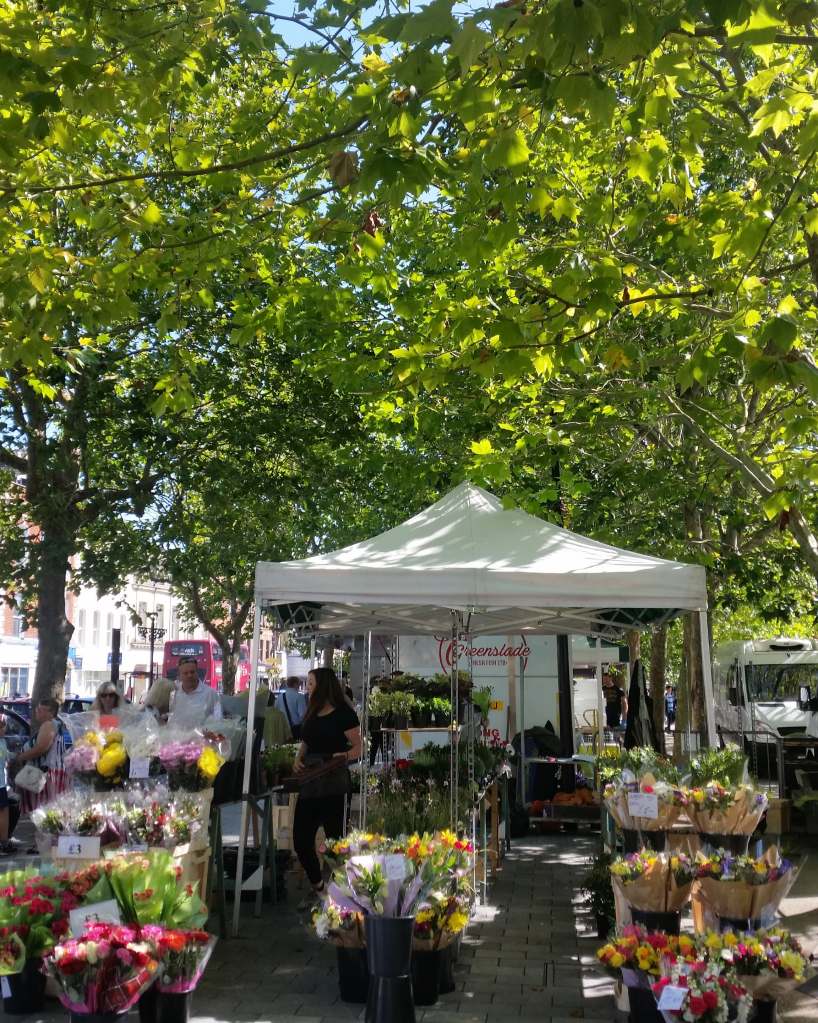
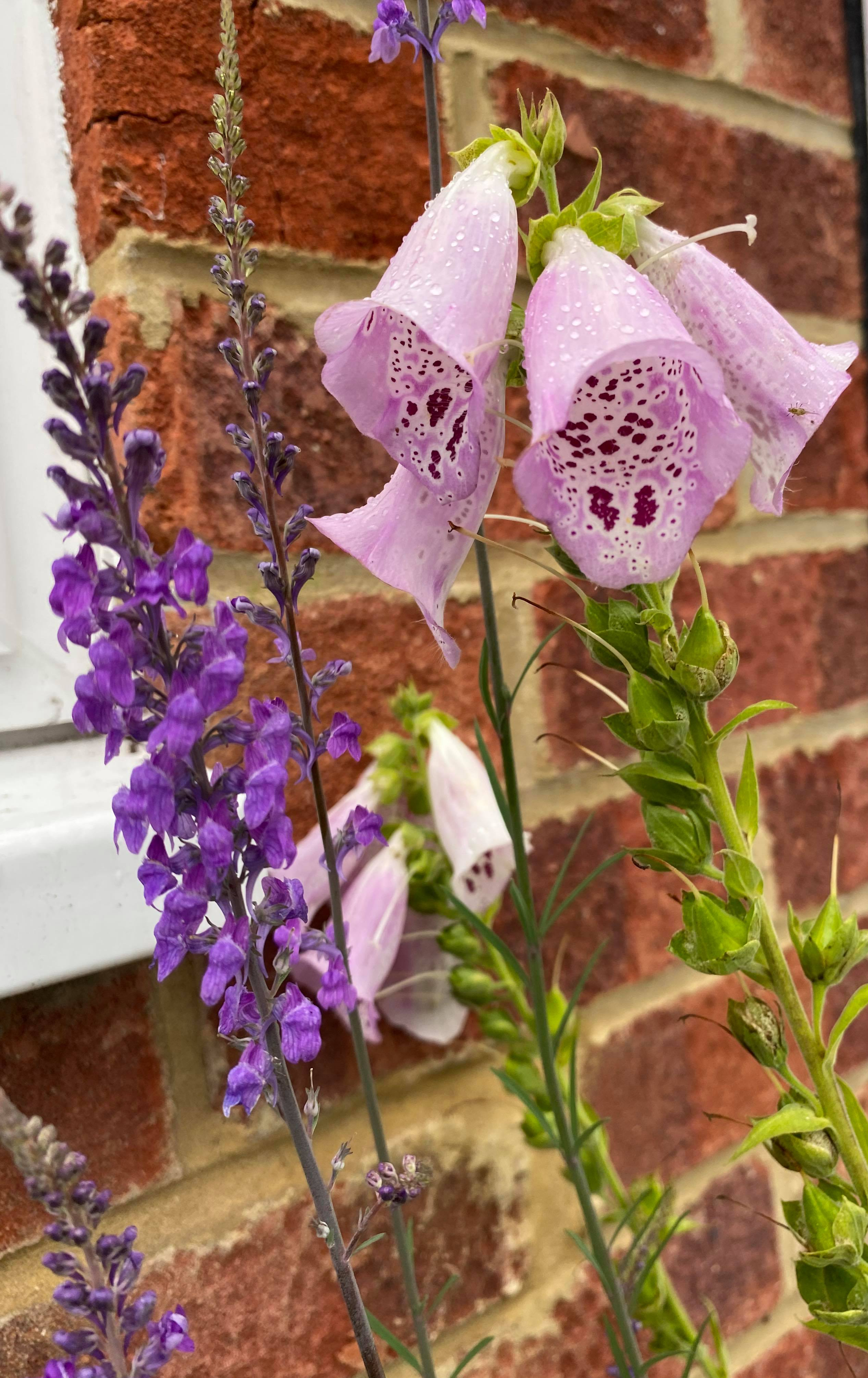
To go with my garden pictures here’s my favourite happy garden tune ‘English Country Gardens’, an old folk song arranged for the piano by Australian Percy Grainger and played with gusto in this original recording.











 Times and Tides of a Beachwriter