Monday Madness – Holiday Highlights

Just Going For A Walk

I had been planning to blog about our earliest form of transport for a while, then walking took on yet another aspect last week with the royal funeral, the various processions leading up to it and of course The Queue. But first back to basics.

Have you heard people comment, or perhaps you have said it yourself…

I don’t do hills. I don’t do walking. I don’t like walking.

I was once watching a comedy in which the teenager daughter greets her mother’s return home. ‘I didn’t know where you were, I thought you’d gone for a walk.‘ Mother replies ‘Walk! I’ve never been for a walk in my life.’

Someone describing how the heat was not a problem in Singapore with the air conditioned malls… I asked ‘What if you want to go for a walk?’ He replied looking puzzled ‘Why would you want to go for a walk?’

Why would you not want to walk, the most natural activity for humans, exercise that costs nothing and a handy way to get where you want to go. During Covid lockdown it was one of the few activities allowed and non dog owners discovered new delights. I love walking, but I have no desire to trek to either pole or up to Everest base camp; solo or with companions, who I would be intensely irritated with by the third day… But ordinary walking, enjoying the fresh air, scenery, perhaps photography and probably ending up at a nice cafe or pub is fun for everyone… What do non walkers do when they go for a day out or on holiday? You may think National Trust Houses have large grounds because the original owners owned all the local land; no, it’s so we can have a nice walk before having lunch in the restaurant and looking round the house. No holiday is complete without a walk along a cliff path or a steep ascent up a hill to enjoy the view.

Modern technology, from super electronic wheelchairs to state of the art artificial limbs allow many who are disabled to get out and about with their friends and family who are fit and able to walk. Walking is freedom and not to be taken for granted; those under repressive regimes or living in dangerous areas cannot just go out for a walk. If you are used to walking everywhere it’s a reminder of the privilege when you ‘do something’ to your back or knee and suddenly can’t walk. The leaflets we were given when having chemotherapy suggest that ‘going for a short walk will help combat fatigue’ – this turned out to be a joke as most of each three week cycle it was a struggle to get to the front gate or up the stairs. It was an insight into the chronic fatigue that people with Long Covid and other debilitating medical conditions have to cope with.

So back to the funeral of Queen Elizabeth 11. Whatever your views on royalty or television ( blanket ) coverage of the events, there was a fascination with both the formal traditions and the spontaneous acts of those who came to queue to watch a procession or for The Queen’s lying in. There is something dignified and humbling about the men of the family and others close to the royals walking slowly behind the coffin. Princess Anne joined them, as she did for her father’s funeral, a token man for the day? Presumably it is tradition that only the men walk. If any of the chaps didn’t like walking they were in for a tiring time. I like a brisk walk, walking slowly at a measured pace is much harder, I have tried it round the house. Nor did I go up to London to join The Queue, almost a pilgrimage. They had a long distance to cover at a very slow pace, I wondered if there were escape points for those who changed their minds and just wanted to go home.

There are environmental benefits if everyone walked on short journeys and for writers it is one of the best ways to see real life, but those are topics for another blog.

Are you a walker or non walker? If you enjoy walking what is your favourite sort of walk?

Silly Saturday- Out and About

Monday is England’s next step on the ‘roadmap’ to normality. Wherever you are you may be closing down or opening up or more likely your leaders are doing another u-turn. Normality is a long way off and though you might read messages on line from your favourite places – ‘Welcome Back’ – do they really mean it? Here are some nice places you probably won’t be able to go to…

London

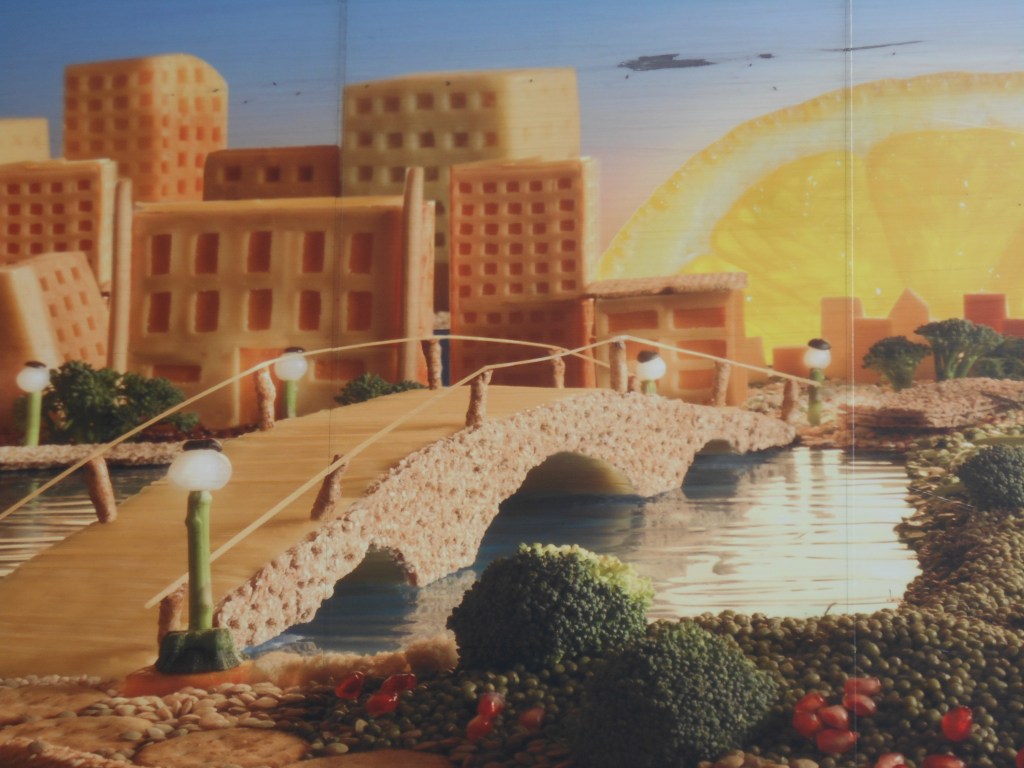
Bridges open, but one way only, bad luck if you’re on the wrong side of the river.

Dreamland.

Dreaming about eating out? Stick to dreamland, everywhere else is fully booked.

Bournemouth

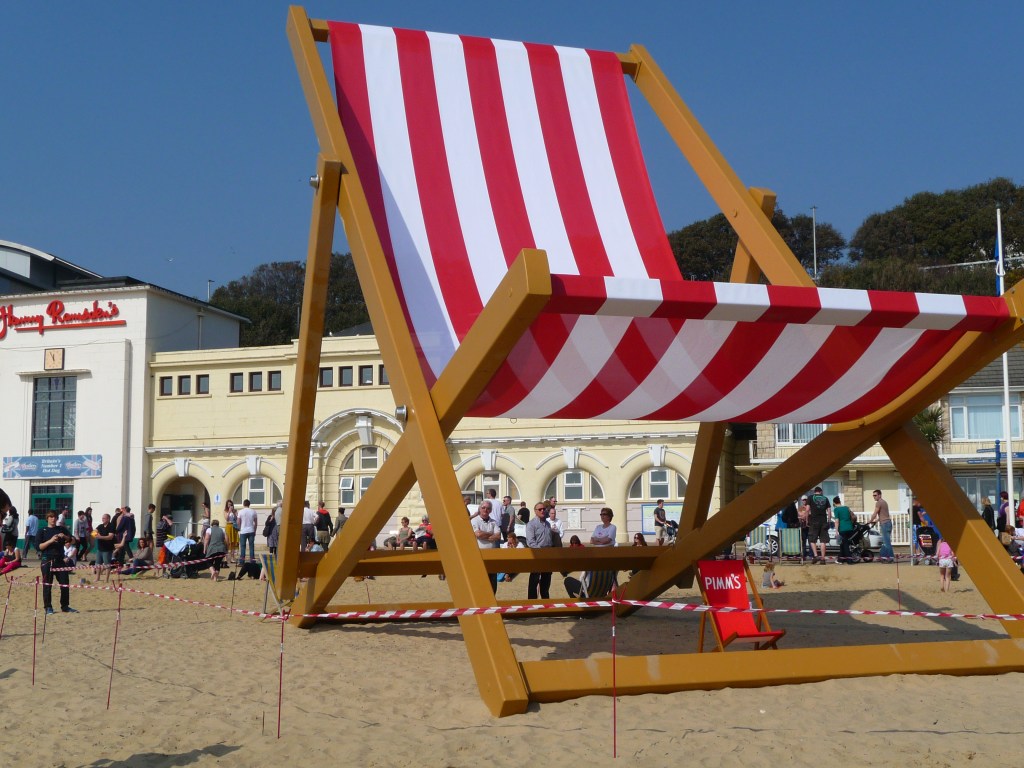
Must have beach app on phone to check if you are allowed to visit.

Portland Bill

Lighthouses – good for social distancing, but only one visitor at a time.

The Moon

Someone else got their first, closed until further notice.

Cruise Ships

Cruises currently limited to passengers who have been vaccinated and are good at rowing.

Portmeirion

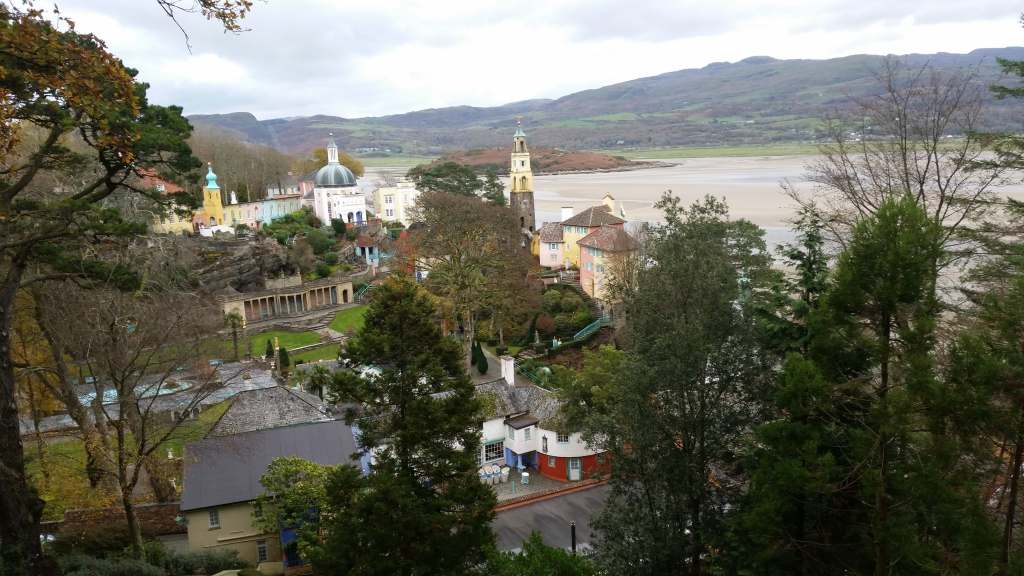
Wales, different rules to England, you may not be allowed to cross the border.

Salisbury Cathedral

Cathedrals are always interesting to visit, but this may be as near as you can get. Enter only if you are fully masked and have had a negative Covid test.

Air museums

Museums are popular outings, especially if it’s raining, but book in advance for your thirty minute slot, book separately in advance for a cafe fifteen minute slot.

Iona

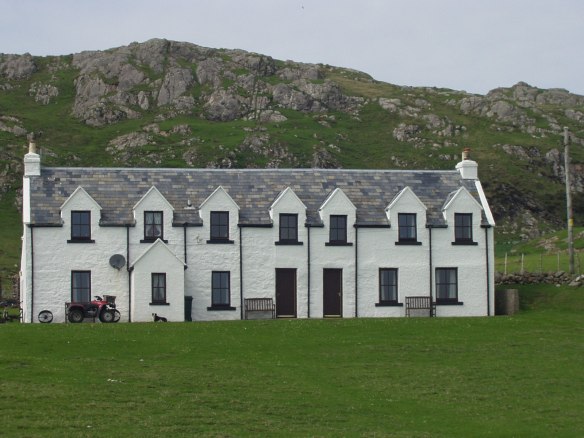
Scottish holy island – ferry only goes once a day. Scotland has different rules to England and Wales so you may not be allowed across the border… what a shame, you would really have loved Iona…

Kingston Lacey

National Trust houses always popular for an outing; they are opening up again – of course you have to book in advance and once inside will have to walk round in single file, one way only, no stopping or turning back…

A Big Country House

Chances of getting inside here for a look round? Very unlikely…. unless you live there.


Where will you go for your next outing?

October Outing – Stourhead

Last week we went on what could be the ultimate autumnal outing, certainly for those of us who haven’t been to New England in the fall. Thanks to modern weather forecasting the predicted blue skies and sunshine made the gardens of Stourhead picture perfect. It was a little early for nature and photography experts, the trees had not reached their full colour potential, but when a gentle breeze sends golden beech leaves floating to the ground it is like pennies from heaven and perhaps this is the closest to heaven on earth most of us will get.

DSCN0797

Like most National Trust properties and other great houses and castles that you pay to enter, you are sealed off from real life. There is no traffic except the gardeners’ tractor and trailer, no traffic noise, no building work going on, no homeless people to remind you of the darker side of life and little likelihood of being mugged or caught up in a street riot. Your children can safely run around, as long as they don’t fall into the lake…  Everybody is there to enjoy nature or a healthy walk. I guess there is always the chance a fight will erupt between photographers spoiling each other’s view, perhaps the loser rolling down the manicured lawns into the lake; that would make a good story, but it didn’t happen on our visit.

Fortunately patience prevailed at the archway to the house. Two Japanese ladies left behind by their party were admiring the masses of red leaves of the Virginia Creeper that smothered the stone arch. They kept rearranging themselves to photograph each other and also seemed to examine each leaf in detail. Meanwhile on one side was Cyberspouse with his camera and on the bank opposite a couple of photographers waiting for the ladies to move out of the way. I like taking pictures with people in, but I guess the others had to wait until next autumn.

dscn0760.jpg

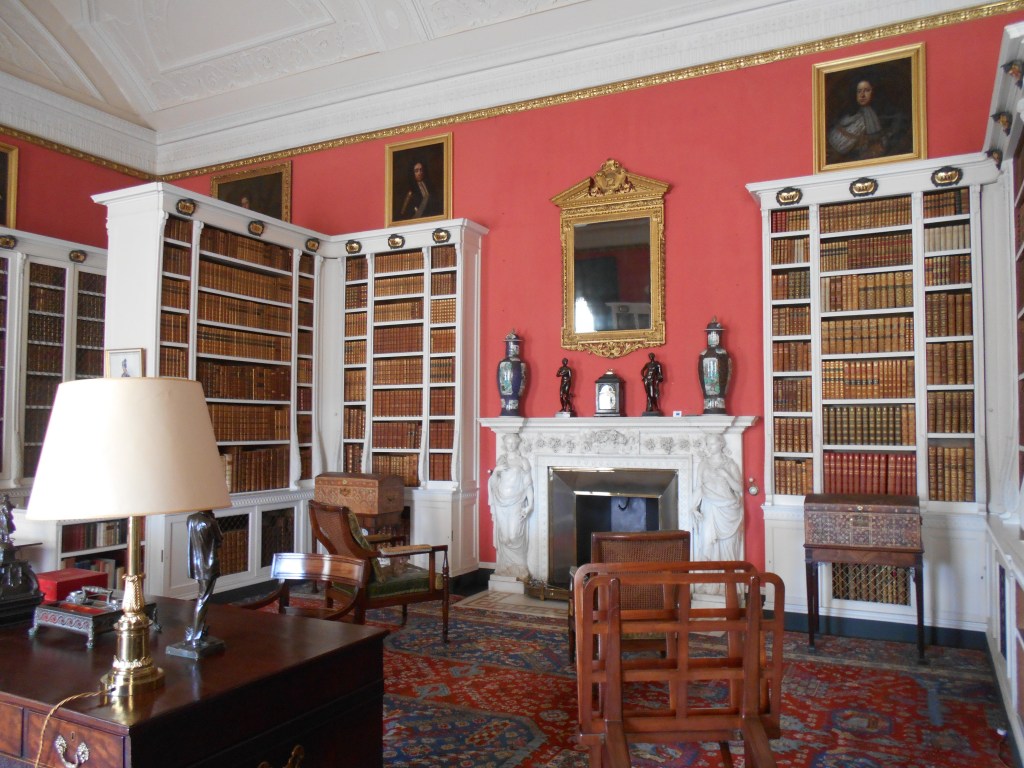
Inside the house, phones were to be switched off, bags left in lockers and no flash photography. My point and shoot compact has a habit of switching its flash back on so I only managed one quick picture of the library before one of the volunteers started telling me how they cleaned the books with pony hair brushes, then suck the dust away with a mini vacuum cleaner. But I did ask the important questions readers and writers would want to know. Did the family of old read all these books? Yes, this was their learning and entertainment centre and only a few books have been found with the pages still uncut at the edges. Does anyone still read them? Yes you can apply. What is the oldest book? ‘Oh dear, I never remember’ said the lady, then called up to an elderly gentleman perched precariously on top of a ladder – one of the hazards of having book shelves that go up to the ceiling. He wobbled down to tell me the answer, a German manuscript of 1591.

dscn0781.jpg

The Hoare family who created the house and beautiful gardens were bankers. Henry ‘the good’ bought Stourton Manor and medieval buildings were replaced by a Palladian villa, but he died in 1724, a year before the house was completed. Henry the Magnificent’s nickname was earned by the landscape vision he created in his garden. With hills, water and classical architecture overlaid by a fabulous collection of trees and shrubs, Stourhead was described as ‘a living work of art’ when it first opened in the 1740s. Henry died in 1785, but like all altruistic planters of trees he could not know how his gardens would look over two centuries later.

You can walk all round the lake, created by damming the River Stour which flows sixty miles to Christchurch harbour. Stop to admire follies, temples and the grotto as well as the views, then return to the Spread Eagle Inn to enjoy refreshments.

DSCN0810


A Good Day Out

Where would you like to go for a day out? A popular choice in England is to visit a National Trust House. The National Trust is a charity which is over one hundred and twenty years old and owns and cares for 59 villages, 775 miles of coastline and vast tracts of hills and fields, all free for everyone to roam. Whatever your political leanings and thoughts on charities, I’m sure many would agree that these lands are safer with the National Trust than with governments, big businesses or greedy billionaires.

OLYMPUS DIGITAL CAMERA


Despite all their other conservation work, Big Houses are what people most often associate with the National Trust, donated by landowners come upon hard times, or just moving with the times. Whatever their ancestors would have thought, the common people are now free to roam their estates.  Not actually free; you have to pay to go in A Big House, unless you are one of the four million members; a few visits each year will make your membership worthwhile.

https://www.nationaltrust.org.uk/lists/fascinating-facts-and-figures


dscn1311.jpg

One thing is never guaranteed on your day out, the weather, but that would never deter the average member.
DSCN5941

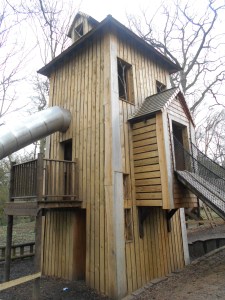
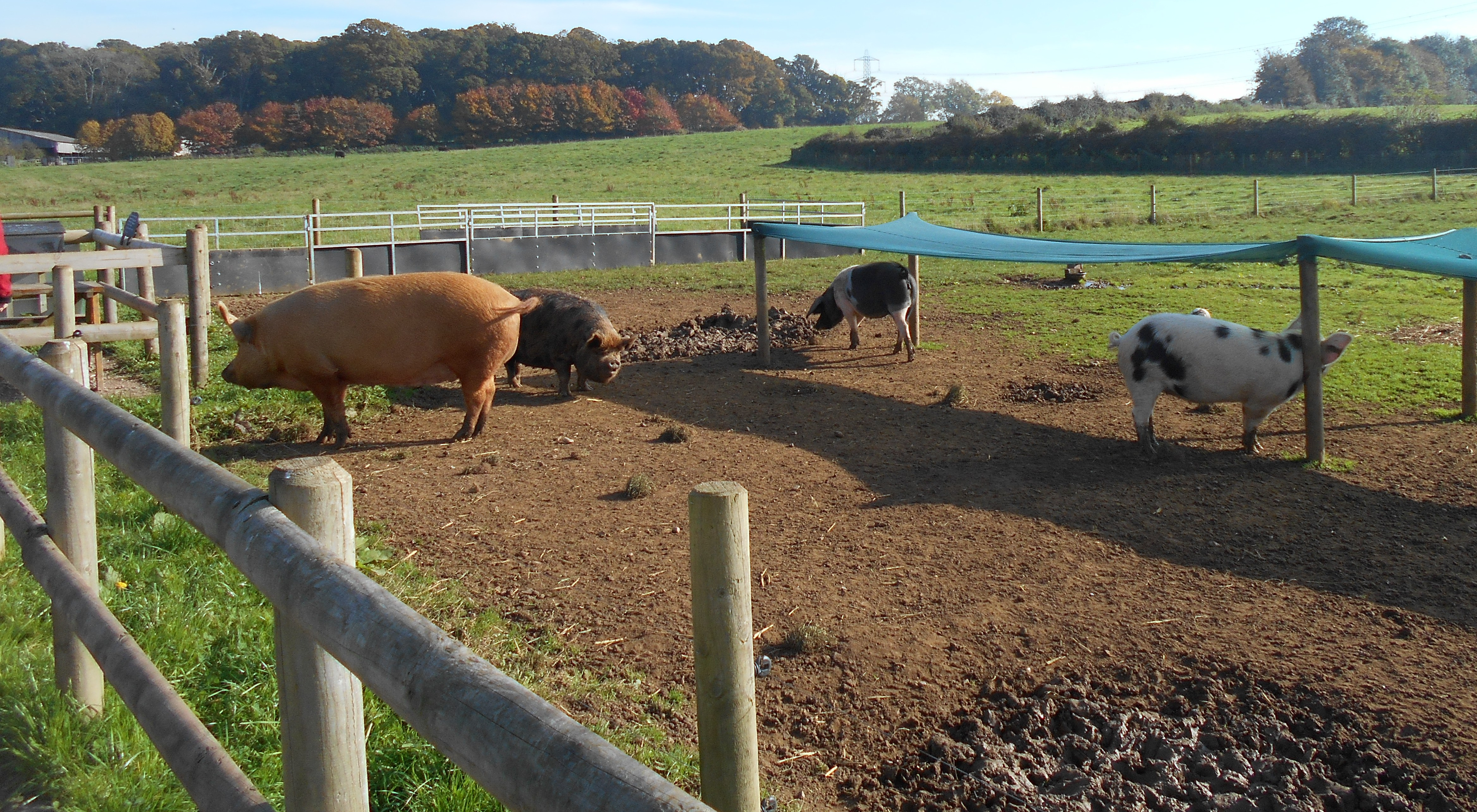
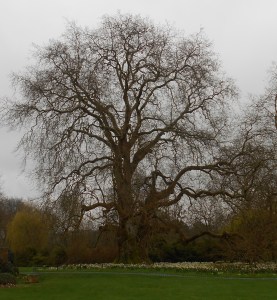
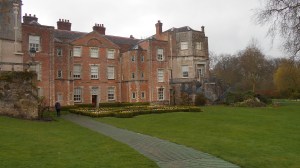
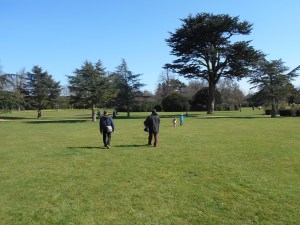
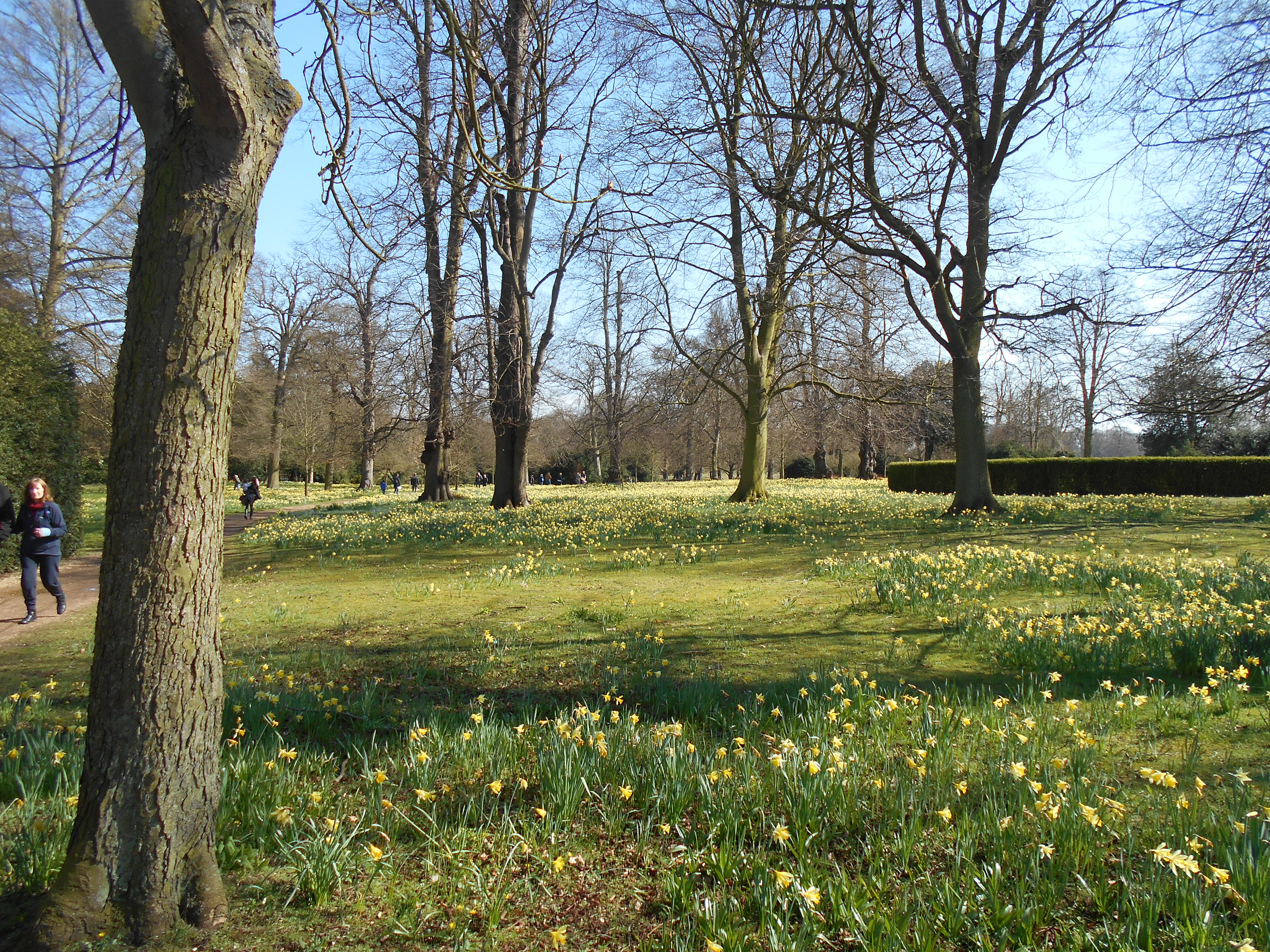
Once you have passed through the portal, you will enter a traffic free zone, except for the occasional buggy for those not up to striding round the whole estate.  Your children can run around on vast lawns, visit the adventure playground, do school holiday  activities or say hello to some pigs. Gardeners can admire walled vegetable gardens and beautiful borders, nature lovers can enjoy very old trees.
DSCN7098

DSCN7108.JPG

DSCN7039

dscn1356.jpg

DSCN5942DSCN5954

dscn5422.jpg

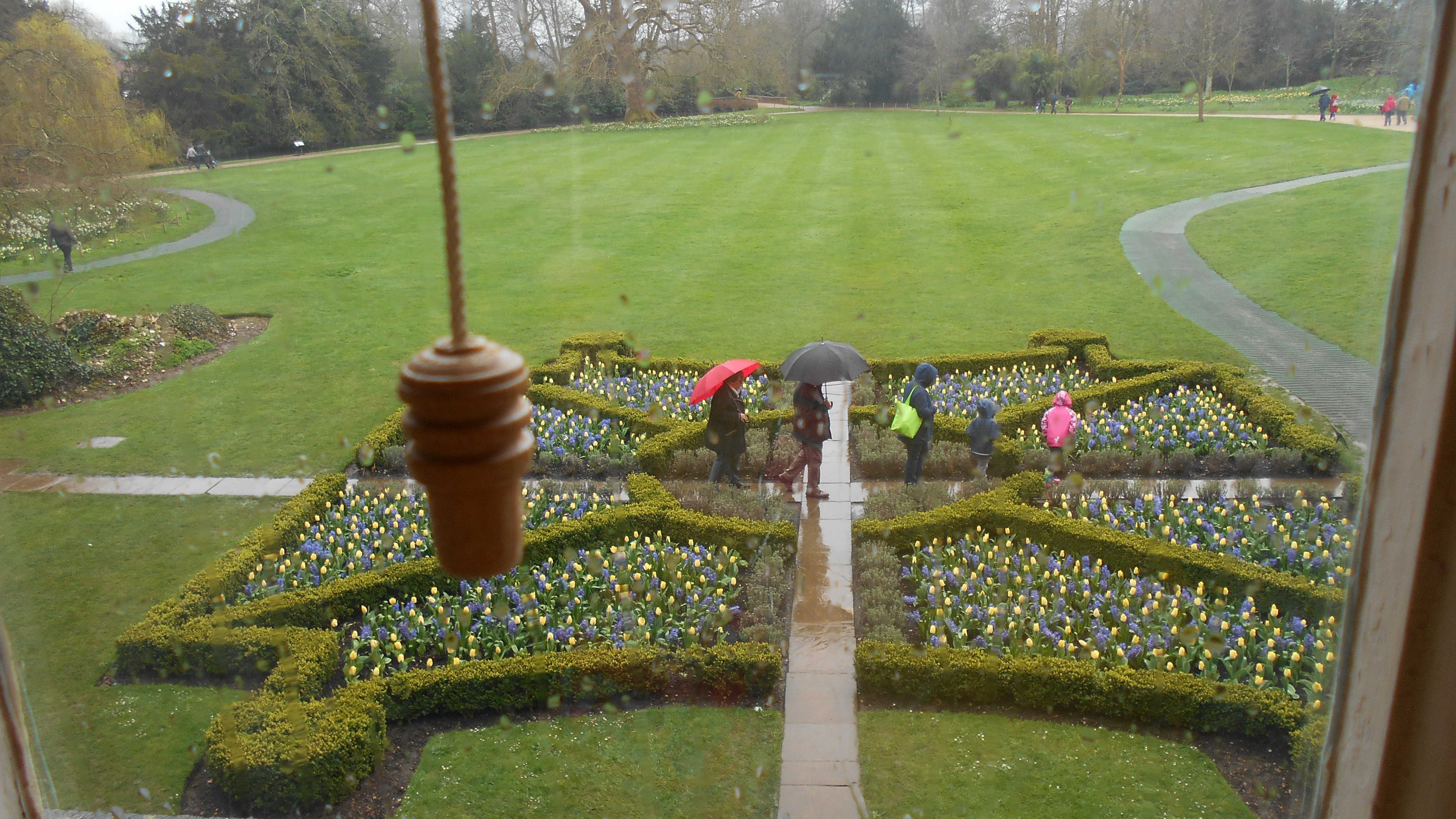
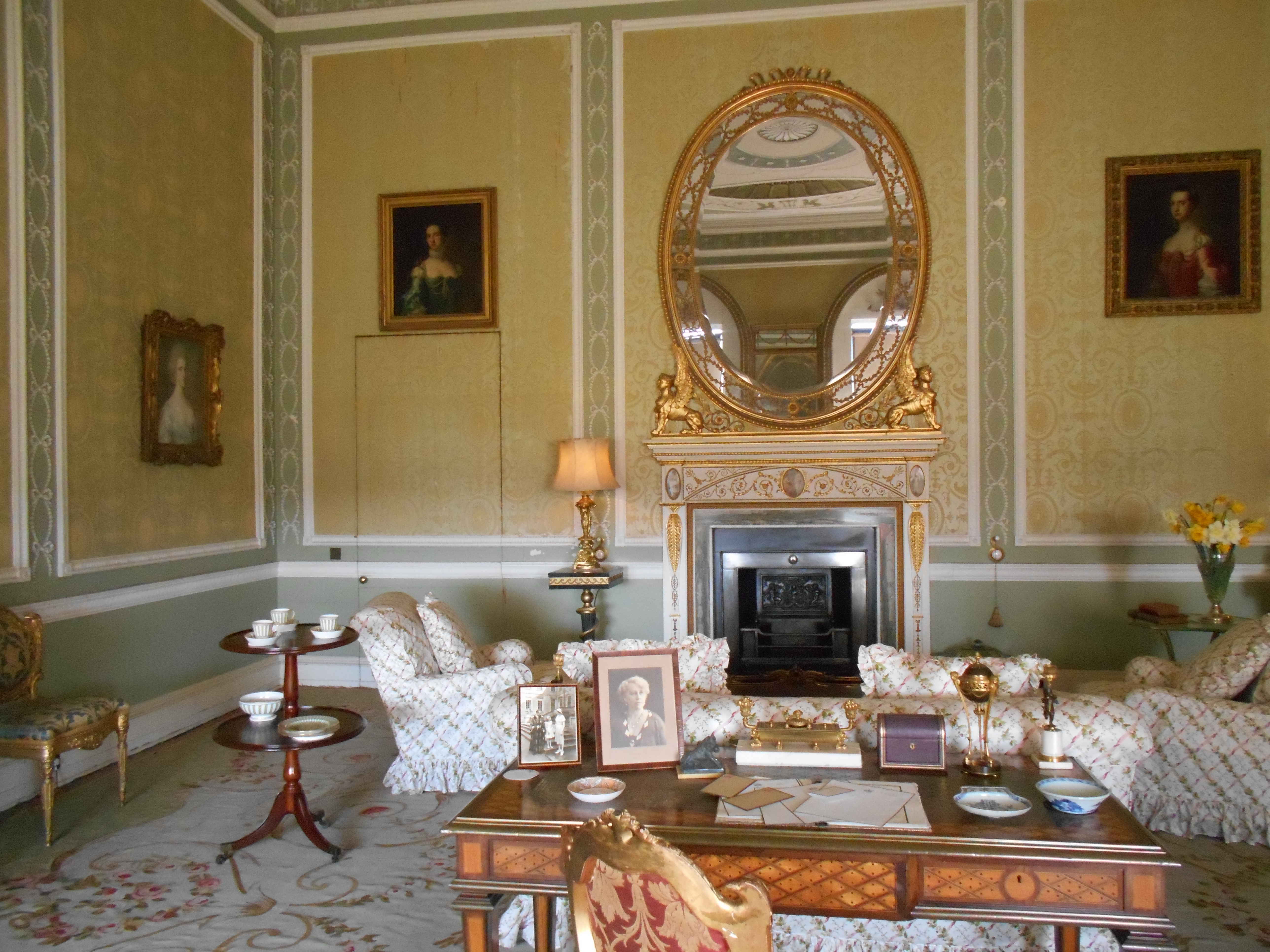
If it pours with rain go and look around the house, read about the owners, peep at family photos and ask volunteers questions. There will probably be an interesting exhibition to look at. There will certainly be sweeping staircases to ascend and descend and narrow stairs to climb as you visit downstairs where the servants worked, or upstairs where they lived.
DSCN5933

DSCN7121

DSCN7123

DSCN5935

DSCN7124

DSCN1351


DSCN5940

dscn5939.jpg

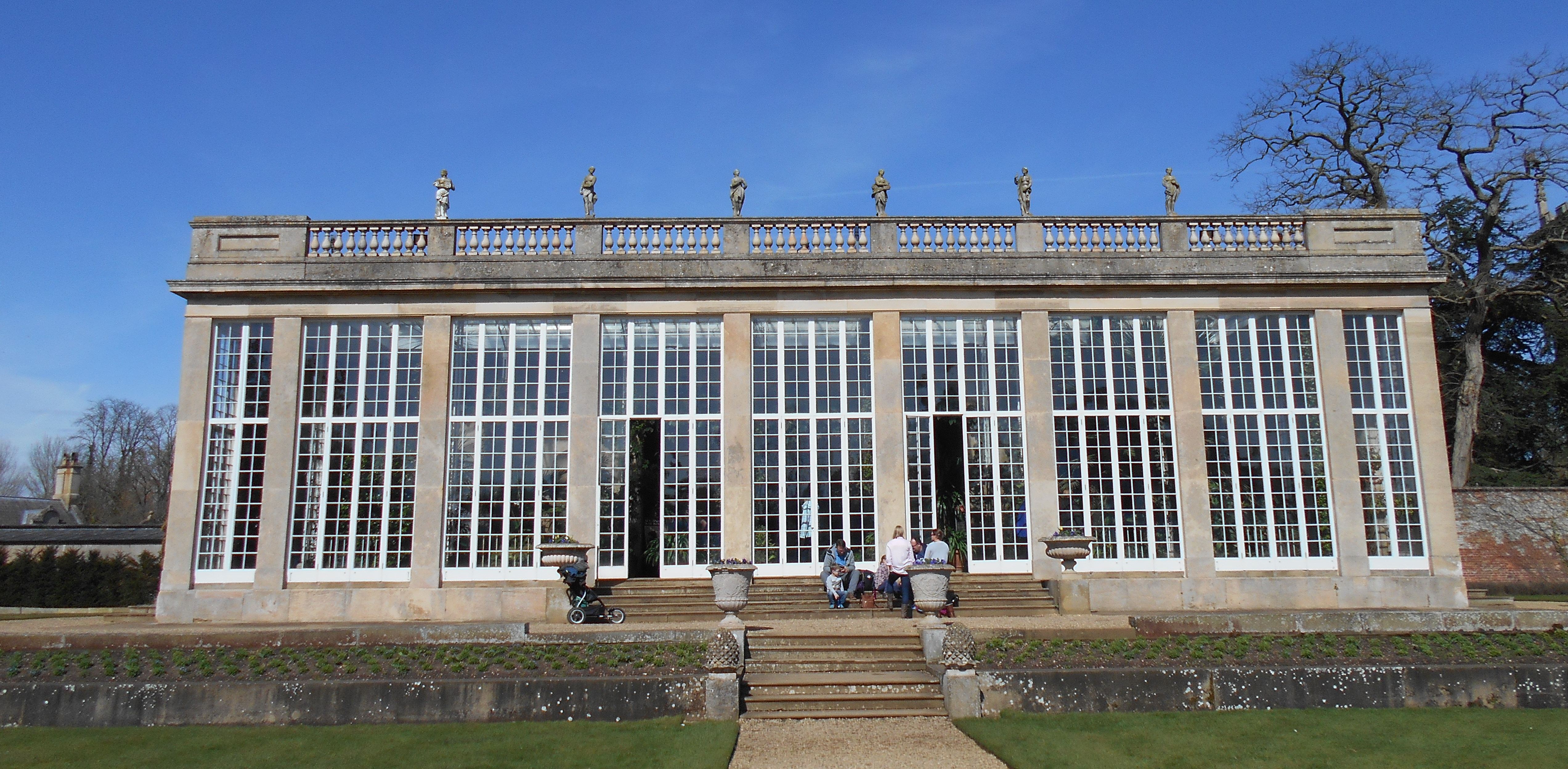
No visit would be complete without tea and cake or a nice lunch. This will be in the stable block, the old kitchen or the orangery, always a restaurant with character. Then you can rummage through the second hand bookshop which could be tucked away in an outbuilding. The Shop is a must; tasteful and expensive souvenirs, tea towels to bone china. Don’t miss the books, there are bound to be real life stories about the lady of the  house or the black sheep of the family.
dscn7096.jpg

Perhaps you have visited Durlswood, you may or may not find it in the National Trust guide book, but you can read the mysterious happenings of 2014 in the novella Durlswood, part of the Someone Somewhere collection.