Back in Time

Monday Moments

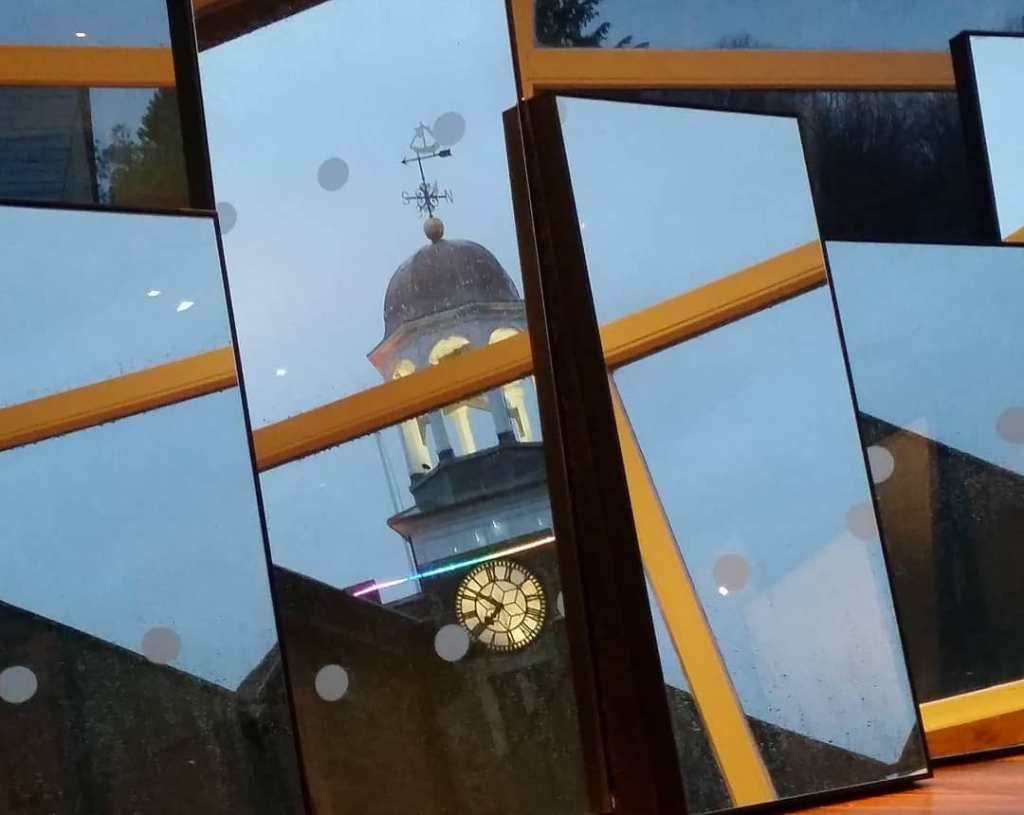
How long is a moment? Perhaps as long as the BBC time pips which are celebrating their centenary this very day.

Originally they would have helped people set their watches and clocks to the exact time, now our phones, radios and many of our clocks are connected by magic to the beating heart of the universe. Though some say the National Physical Laboratory is responsible.

The pips for national radio stations are timed from an atomic clock  in the basement of BBC Broadcasting House synchronised with the National Physical Laboratory.

 There are six pips which occur on each of the 5 seconds leading up to the hour and on the hour itself. The first five last a tenth of a second each, while the final pip lasts half a second. The actual moment when the hour changes is at the very beginning of the last pip. I checked the clock on my radio and sure enough the clock changed to the hour exactly on the last pip. Looking up more facts surrounding our precious pips and how the whole world keeps time can lead you down a rabbit hole, perhaps you will even meet Alice in Wonderland’s White Rabbit with his pocket watch. But do we still need the pips?  Yes, they are a precious few moments when broadcasters actually stop talking, a moment of peace before we are weighed down by the latest round of news.

https://www.bbc.com/historyofthebbc/anniversaries/february/the-pips

Silly Saturday – Strange Scenes

While we have been in lockdown the world has changed; here are some scenes they don’t show you on the news. Are you brave enough to go out and about again?

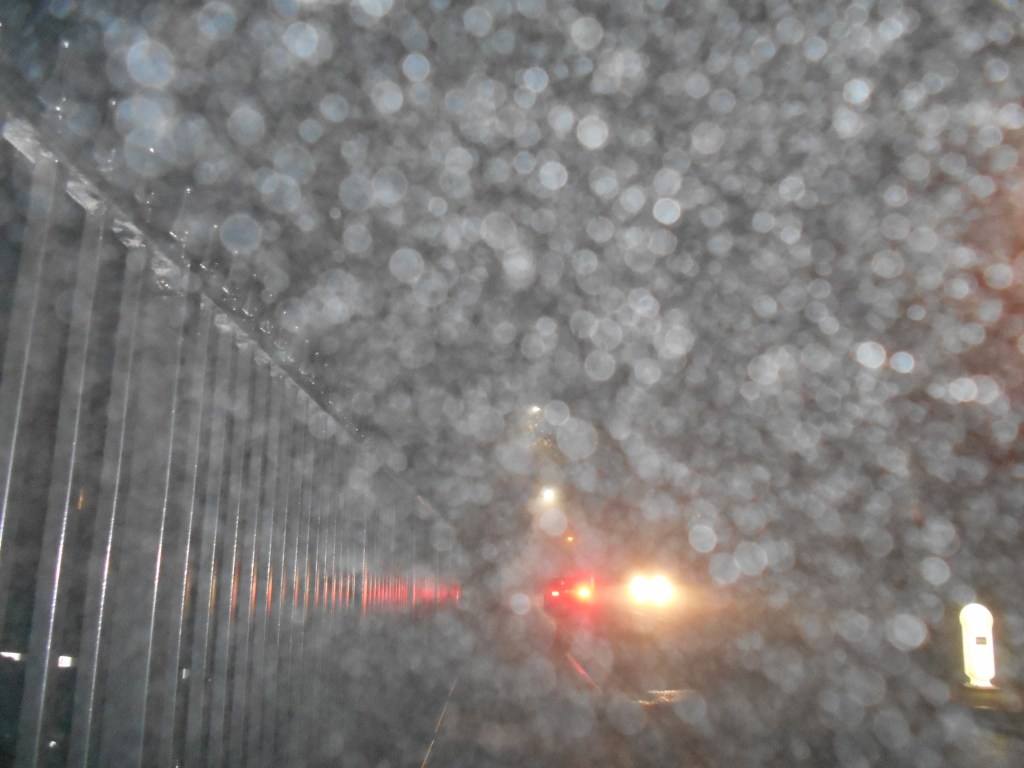
Mysterious fog covers the whole planet.
MARS SENDS MESSAGE BACK
…AND SCIENTISTS STRUGGLE TO TRANSLATE IT

STRANGE PIPES APPEAR AND PEOPLE ARE URGED NOT TO GO NEAR THEM ON THEIR DAILY EXERCISE
STRANGE WARNINGS APPEAR

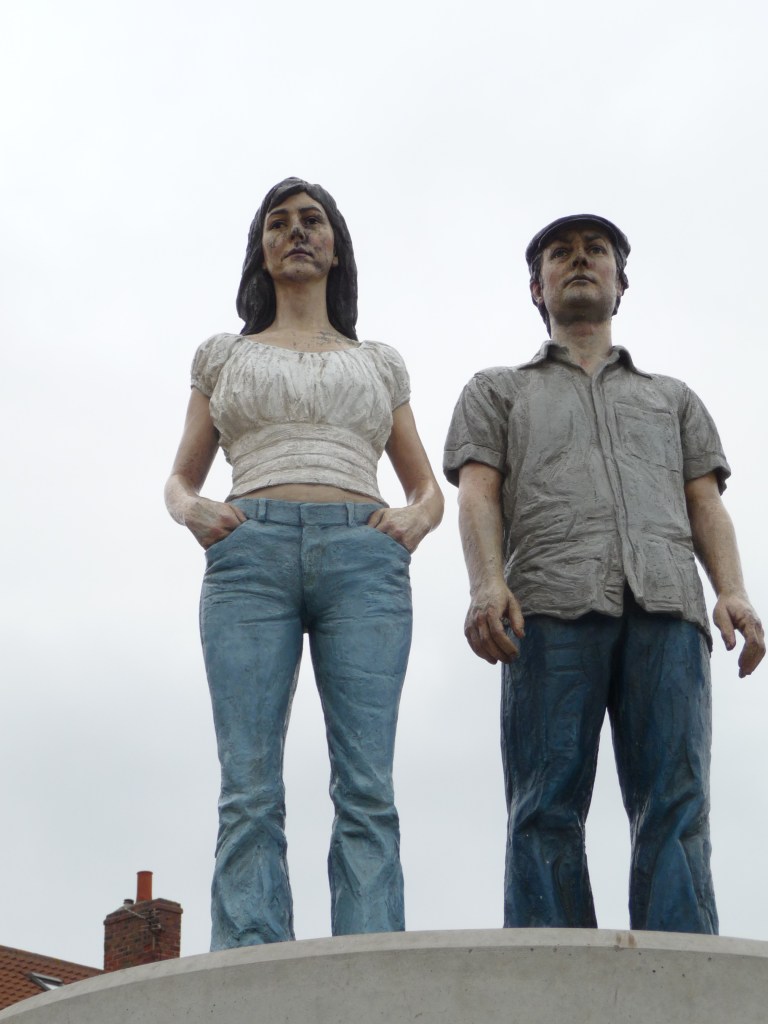
GOVERNMENT DENIES REPORTS THAT THE COVID VACINE IS MAKING PEOPLE BIGGER
BATTERSEA DOGS HOME URGES PEOPLE TO THINK CAREFULLY BEFORE BUYING LARGER BREEDS OF DOGS.

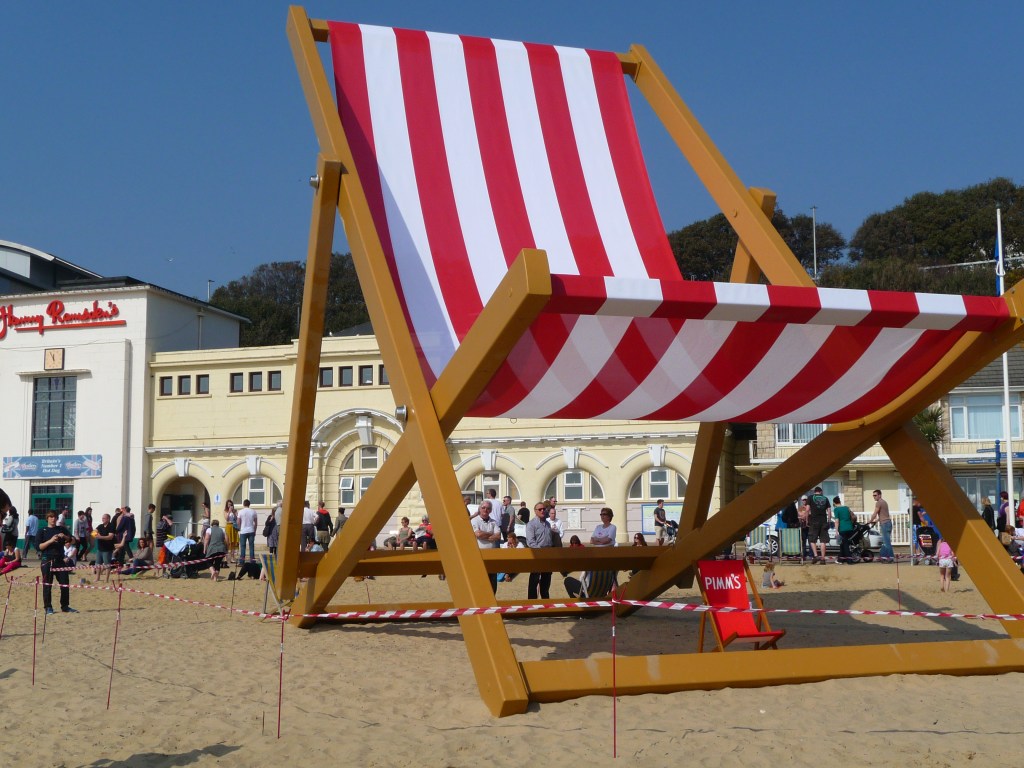
SEASIDE RESORTS PREPARE FOR AN INFLUX OF LARGE VISITORS INSTEAD OF A LARGE INFLUX OF VISITORS.
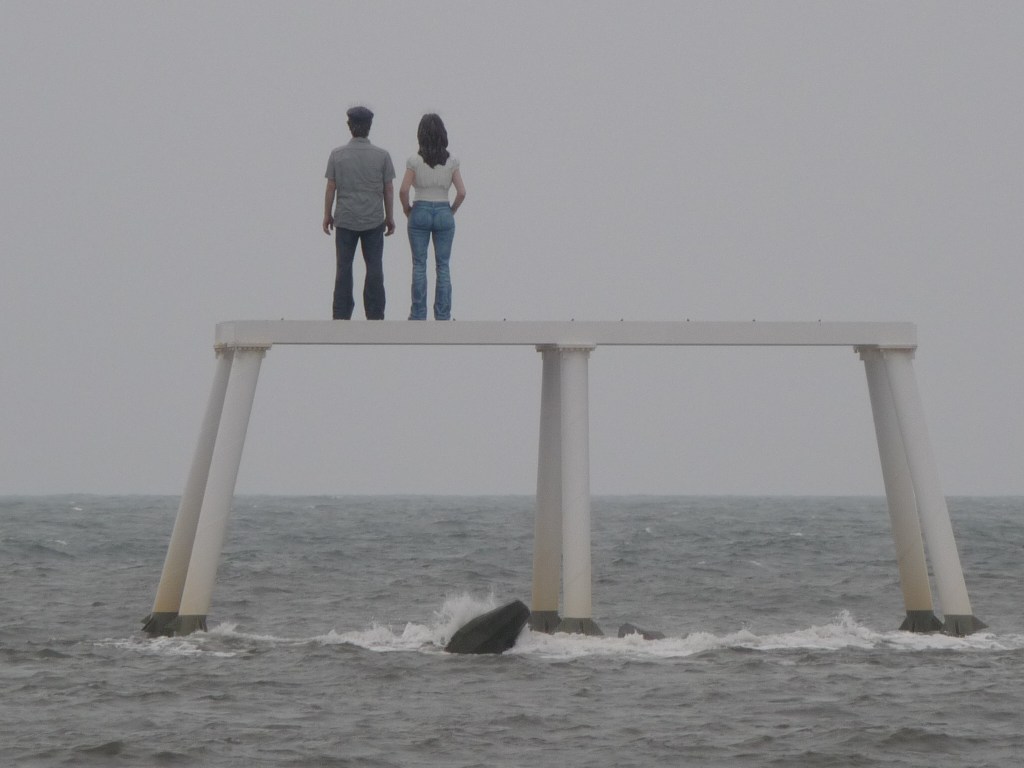
GOVERNMENT EXPERTS SAY THAT THE APPARENT ALTERING OF TIME HAS NOTHING TO DO WITH MARS OR THE MOON
AND URGE PEOPLE NOT TO PANIC AMIDST RUMOURS THAT THE EARTH HAS TURNED UPSIDE DOWN.
AND THE MOON HAS
FALLEN ON A LOCAL PARISH CHURCH

Sean Henryhttps://www.seanhenry.com/

Luke Jerramhttps://www.lukejerram.com/

Silly Saturday Falling Backwards

It is time to realign ourselves with the earth. Tonight our clocks will go back one hour to Greenwich Meantime.

It was a long time ago that a chap wandering up the hill from the River Thames noticed he was following a straight line etched in the ground; being a clever chap, a member of The Royal Society, he realised he had discovered the Prime Meridian Line. Longitude Zero (0° 0′ 0″). He set up some crowd funding and the Royal Observatory was built on the spot so no one would lose the Prime Meridian Line.

Every place on Earth is measured in terms of its angle east or west from this line. Since 1884, the Prime Meridian has served as the reference point for Greenwich Mean Time (GMT).

dscn3736.jpg

British Summer Time was invented a century ago so cricket matches and Wimbledon could enjoy long summer evenings. Henceforth people have had two weekends a year to be totally confused; Spring Forward they might grasp, but Fall Backwards is harder as we call this season autumn… Even if we know which way to move the hand on our antique analogue clock we still can’t remember if we’re having an extra hour in bed or losing an hour’s sleep.

DSCN2160

None of this affects the tilt of the earth’s axis.

The actual time of the change is 2am on Sunday. You will either have to stay up late to change your clocks and watches, or if you have an atomic clock it will automatically change, so too will your computers and phones, this is done by magic.

If you can’t work out if the clock stops at 2am, then goes back to 1am, or stays at 2.00 for an hour, or goes to 3am then leaps back an hour, why don’t you stay awake and observe and tell the rest of us the answer tomorrow.

liebster-award


Into Infinity

Writing about infinity presents endless possibilities. Most of my scientific understanding comes from listening to BBC Radio Four while doing the housework or cooking. The Infinite Monkey Cage is a programme combining comedy and science which I can understand, then there was the serialisation of Professor Stephen Hawking’s last book Brief Answers to Big Questions; if I didn’t take that all in I blame it on domestic interruptions or a noisy washing machine.

https://www.bbc.co.uk/programmes/b00snr0w

Here is my handy guide to the universe. I think Stephen Hawking said the universe is growing, therefore at one time it must have been smaller and long ago so small it was nothing; one minute it was nothing and the next minute there was a big bang. I prefer my theory that if the universe is infinite it will go on forever, so it must have always been here forever.

But how big is infinity? The edge of the observable universe is 46.5 billion light years away, but we can’t see if there is an edge to it or work out how much more of it there is. Apparently even clever scientists, who can cope with the thought of billions of light years, still find infinity a bit creepy. They are no different to young children ( or was that just me? ) who ask ‘Who made the universe?’

‘God’ the parent replies and then they ask

‘But who made God’ or ‘What’s outside the universe?’

Another theory is that the universe could curve round on itself, making it both finite and infinite. Could that mean time goes in a circle and if we crossed the circle with a diameter or a chord we would be in a different time, thus making time travel possible? But is time merely an illusion? If so, time travel is still on the cards…

Talking of space, there is a lot of space between atoms and inside atoms; if you took all the empty space in the atoms that make up a human being, a person would be a lot smaller than a grain of salt. If you removed all the empty space from the atoms that make up all the humans on the planet, we could all fit inside an apple. If we removed the spaces between and inside all the atoms in the solar system it could fit it inside a thimble, so perhaps the universe is not so big after all.

Whatever the truth, authors who enjoy writing about time travel are never going to concede that time travel is impossible. Science fiction writers in general vary from those who are scientists to those who make it all up and who can prove them wrong if they set it in the future; unless a book reviewer travels to the future to check…

If you want to stretch your mind and go somewhere different why not dip into Someone Somewhere.


No Time Like The Present

There’s no time like the present, especially for authors. How long does the present last; a year, a week, a day, a second?

My first novel Brief Encounters of the Third Kind’ was set in the present, that was where I intended it to remain. I did not want to name a year; the characters lived in London and the 2005 bombings were still quite recent when I started writing, I did not want their story overshadowed by such a major event.

But first novels, especially long ones, take a while to write, to be read by others and edited. The present was fast becoming the past. World events were turning out differently to what most of us could ever have imagined and technology was racing ahead. My characters had mobile phones that took photos, they Skyped and went on Facebook, a few of them had SatNav. But they did not have smart phones, tablets, ipads, Kindles etc. and the last thing I wanted them to be able to do was Google their location or look up information on the internet with their smart phone; that would have wrecked the plot. More of the Twenty First Century passed by while I went down the traditional route of looking for agents. In the meantime I had written my second novel, Quarter Acre Block, a shorter straight forward family drama set firmly in 1964 and 1965. It became the first novel I published on Amazon Kindle.

I decided to stick to self publishing, Brief Encounters became a trilogy and I describe all three novels as being set in the early years of the Twenty First Century. As far as my characters are aware, they are living in the present and in a new century.

My work in progress was initially inspired by a local event during the Valentine night storm of 2014 and the novel should come to an end within 2014. All the places the wandering hero finds himself are real. But real places can present problems if your story takes place in the present; pity the author whose character goes shopping or works in BHS, no sooner is it published than the shops close down.

If you avoid ‘the present’ and set a year you still have to be on the alert. London and other cities have many familiar and iconic landmarks, but well known scenes can change dramatically. If you set your novel in a particular year, don’t have your hero enjoying the view from the top of The Shard before it has even been built, or the heroine after years away abroad, tearfully spotting the iconic cooling towers on the horizon that mean she is near home – the cooling towers that were demolished two years previously.

But there is no need to rely on your memory; what did authors do before the internet? Rush down to the library to search through old newspapers. Whether you are writing an historical novel or a millennial saga you can look up when Queen Victoria visited your local town, or what the weather was like in Portsmouth when your hero set sail for his solo trip round the world.

As for getting the future right, you will just have to wait and see; not many writers from the past got it completely right or completely wrong.