Just Going For A Walk

I had been planning to blog about our earliest form of transport for a while, then walking took on yet another aspect last week with the royal funeral, the various processions leading up to it and of course The Queue. But first back to basics.

Have you heard people comment, or perhaps you have said it yourself…

I don’t do hills. I don’t do walking. I don’t like walking.

I was once watching a comedy in which the teenager daughter greets her mother’s return home. ‘I didn’t know where you were, I thought you’d gone for a walk.‘ Mother replies ‘Walk! I’ve never been for a walk in my life.’

Someone describing how the heat was not a problem in Singapore with the air conditioned malls… I asked ‘What if you want to go for a walk?’ He replied looking puzzled ‘Why would you want to go for a walk?’

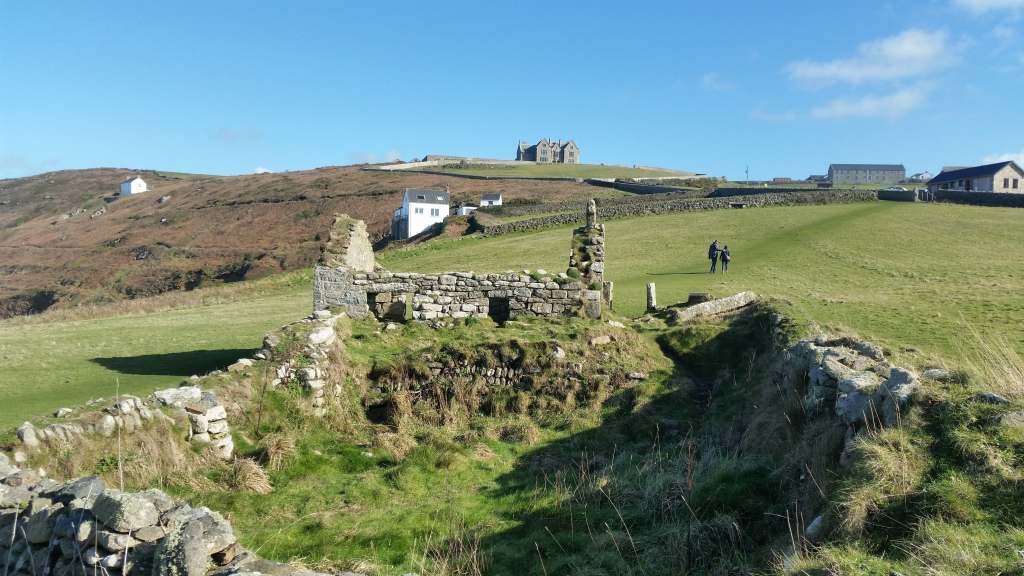
Why would you not want to walk, the most natural activity for humans, exercise that costs nothing and a handy way to get where you want to go. During Covid lockdown it was one of the few activities allowed and non dog owners discovered new delights. I love walking, but I have no desire to trek to either pole or up to Everest base camp; solo or with companions, who I would be intensely irritated with by the third day… But ordinary walking, enjoying the fresh air, scenery, perhaps photography and probably ending up at a nice cafe or pub is fun for everyone… What do non walkers do when they go for a day out or on holiday? You may think National Trust Houses have large grounds because the original owners owned all the local land; no, it’s so we can have a nice walk before having lunch in the restaurant and looking round the house. No holiday is complete without a walk along a cliff path or a steep ascent up a hill to enjoy the view.

Modern technology, from super electronic wheelchairs to state of the art artificial limbs allow many who are disabled to get out and about with their friends and family who are fit and able to walk. Walking is freedom and not to be taken for granted; those under repressive regimes or living in dangerous areas cannot just go out for a walk. If you are used to walking everywhere it’s a reminder of the privilege when you ‘do something’ to your back or knee and suddenly can’t walk. The leaflets we were given when having chemotherapy suggest that ‘going for a short walk will help combat fatigue’ – this turned out to be a joke as most of each three week cycle it was a struggle to get to the front gate or up the stairs. It was an insight into the chronic fatigue that people with Long Covid and other debilitating medical conditions have to cope with.

So back to the funeral of Queen Elizabeth 11. Whatever your views on royalty or television ( blanket ) coverage of the events, there was a fascination with both the formal traditions and the spontaneous acts of those who came to queue to watch a procession or for The Queen’s lying in. There is something dignified and humbling about the men of the family and others close to the royals walking slowly behind the coffin. Princess Anne joined them, as she did for her father’s funeral, a token man for the day? Presumably it is tradition that only the men walk. If any of the chaps didn’t like walking they were in for a tiring time. I like a brisk walk, walking slowly at a measured pace is much harder, I have tried it round the house. Nor did I go up to London to join The Queue, almost a pilgrimage. They had a long distance to cover at a very slow pace, I wondered if there were escape points for those who changed their minds and just wanted to go home.
There are environmental benefits if everyone walked on short journeys and for writers it is one of the best ways to see real life, but those are topics for another blog.

Are you a walker or non walker? If you enjoy walking what is your favourite sort of walk?

The House of Windsor

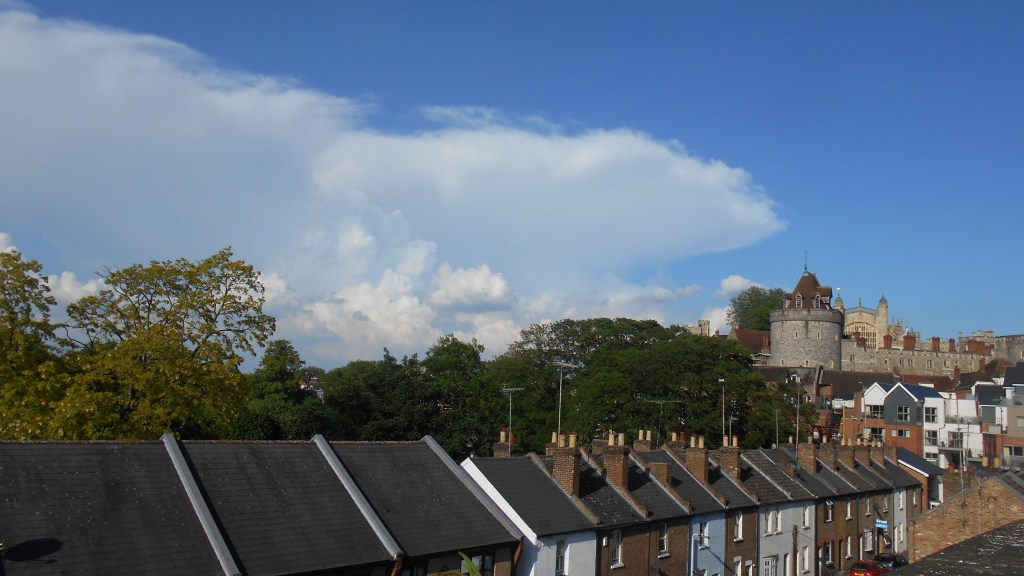
We never lived in Windsor, but the town, in the Royal County of Berkshire, was one of our favourite days out when we lived by Heathrow Airport. As the American tourist said ‘Why did they build a royal castle so close to the airport?’ – old joke. Along with many tourists and local families we enjoyed all it has to offer. ‘Long Walks in the Great Park’ – From the Castle gate to the foot of the statue of King George III (The Copper Horse) The Long Walk measures 2.64 miles in length. But the Windsor Great Park extends far beyond what you can see from the castle.

Walking at Windsor Great Park | Windsor Great Parkhttps://www.windsorgreatpark.co.uk/en/activities/walking

Windsor also has a theatre, a swimming pool, good shopping and the River Thames. A foot bridge takes you over the river to Eton where the famous school is spread out as part of the little town. You can also take a peaceful walk along the riverside very different from the bustle on the Windsor side.

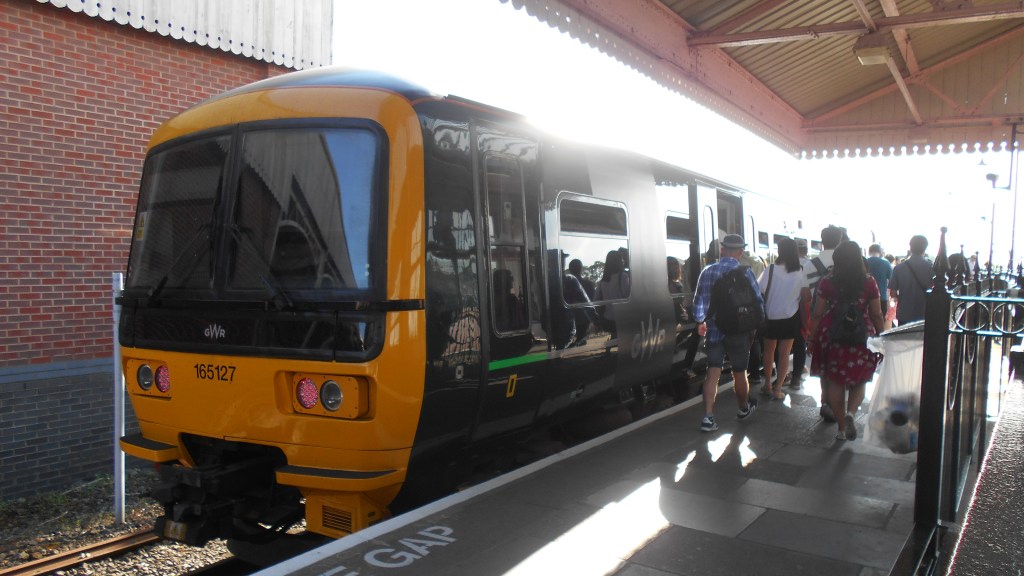
You can go by train from Waterloo and arrive at Windsor and Eton Riverside station, or take the little line built for Queen Victoria, a one stop ride from Slough station  ( direct line from Paddington ) which takes you into the heart of the designer shopping centre and exits opposite the castle.

Tourists the weekend after the wedding of Harry and Megan!

Windsor Castle | Windsor Castle Tours and Tickets

Before the terrible castle fire in 1992 more of the castle grounds were free to the public to wander. We used to take our young children for a walk and show Australian visitors around. Under the archway, past the chapel, stroll up the hill. Our two year old once dashed into the guard room and was chased out by the guards. One side of the castle faces the town, but walk downhill to the river and the castle is high above you on a steep bank. When our daughter was a toddler she nearly gave a Japanese tourist a heart attack; he gasped in horror as she raced towards the turreted wall on the steep side of the grounds. She didn’t topple over, it was a safe height. Another time we peered through a gate and saw Princess Diana bring her two little boys out to watch the soldiers parading.

When we moved away from Heathrow we still visited Windsor on mini breaks to see our friends, usually staying at The Windsor Trooper, a great little old pub with bed and breakfast; bedrooms slightly crooked with sloping floors. 

‘In 1917, the name of the royal house was changed from the German Saxe-Coburg and Gotha to the English Windsor because of anti-German sentiment in the United Kingdom during World War I. There have been four British monarchs of the House of Windsor since then: George V, Edward VIII, George VI, and Elizabeth II.’

Windsor Castle made the perfect setting for the Duke of Edinburgh’s funeral, especially for the many of us who know Windsor well. The Duke apparently did not want a fuss and got his wish as the long miles of procession and crowd lined streets had to be scaled down to a ceremony within the castle precincts; a dignified walk down the hill with socially distanced military bands lined up with precision on the immaculate green.

The Band of the Grenadier Guards led the funeral procession and family members followed, Princess Anne in a long black coat and the men in morning suits. Following a coffin on foot seems dignified and respectful and it’s always good to see men smartly dressed. The Queen followed in her limousine.

I get nervous when I see The Queen walking unsteadily by herself, especially that day as she stepped out of her car and I wondered why she could not have formed a new bubble. Any other very elderly lady with strapping sons and grandsons would surely have been offered a strong arm to lean on. The Duke was her bubble, but she still has HMS Bubble, the loyal staff who have been on duty three weeks on three weeks off at the castle looking after the royal couple. Dog lovers will be glad to hear that The Queen, despite deciding a while ago not to breed or acquire any more dogs, has done what lots of people have in covid lockdown and acquired two puppies, a corgi and a dorgie, which she enjoys walking.

Inside the chapel were the regulation thirty guests and the emptiness perhaps enhanced the beautiful singing of the choir of four and the playing of the trumpeters. The royal family stuck by all the current funeral rules; we cannot compare their splendidly choregraphed event with bleak funerals at the local crem., livestreamed from one camera, but like other grieving widows The Queen sat by herself. After the service the family all strolled up the hill in the sunshine, ignoring the unnecessary fleet of cars lined up for them, though of course The Queen returned in her limousine. I like to think that once back in the royal apartments they all ripped off their masks and didn’t bother with social distancing!

Whether you watched the funeral avidly live on television and followed the highlights in the news later, or avoided all mention of it, there was more to the Duke of Edinburgh than most of us realised. The blanket comprehensive coverage of his life revealed a refugee from a broken home who saw real active service in the second world war. A life that did become privileged, but how many of us would want their whole life mapped out? Unlike lots of rich people he used his position to make a difference. He highlighted the plight of wildlife long before others were interested and created the Duke of Edinburgh Award to give ordinary teenagers the chance to take on all sorts of challenges. Those from a variety of countries who have spoken about meeting The Duke and how the award changed their lives will remember him and not the many politicians and world leaders who come and go.

Did you watch the funeral? Have you visited Windsor? Have you met any of the royal family?