

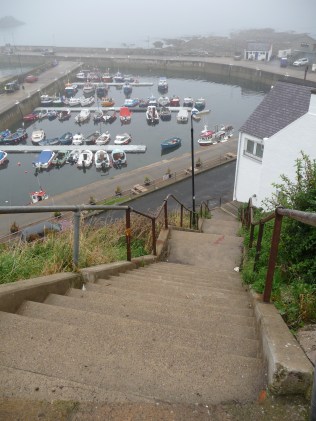
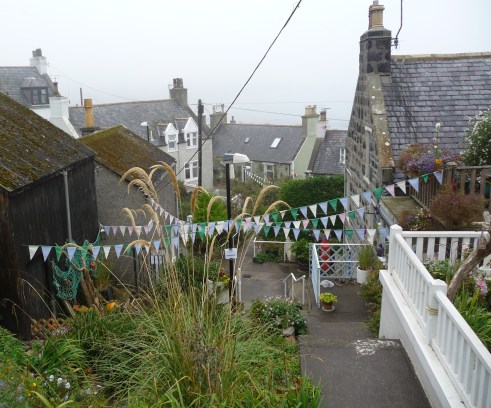
Will you look out or in?


Up or down? 

Open or closed? 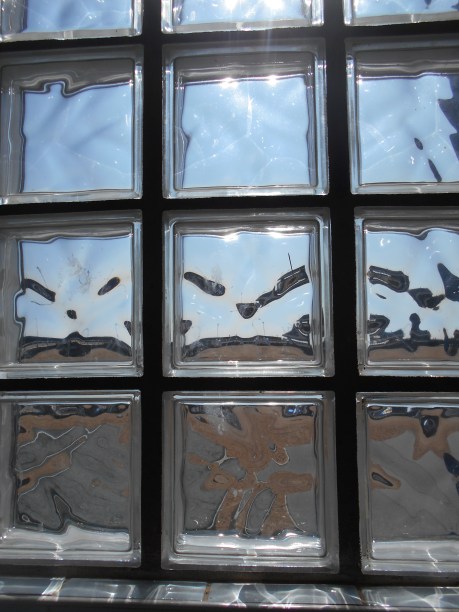
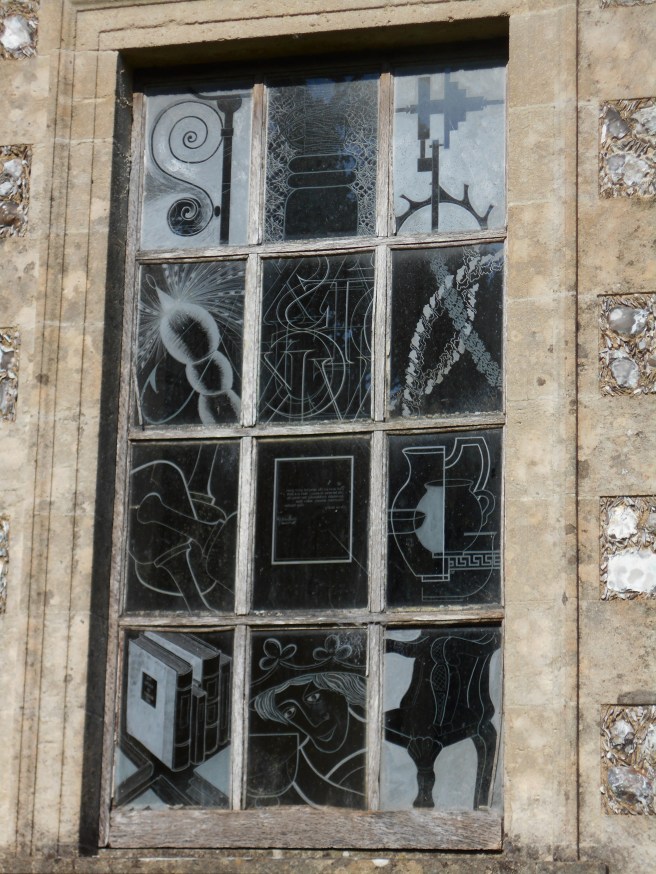
Peer closer.

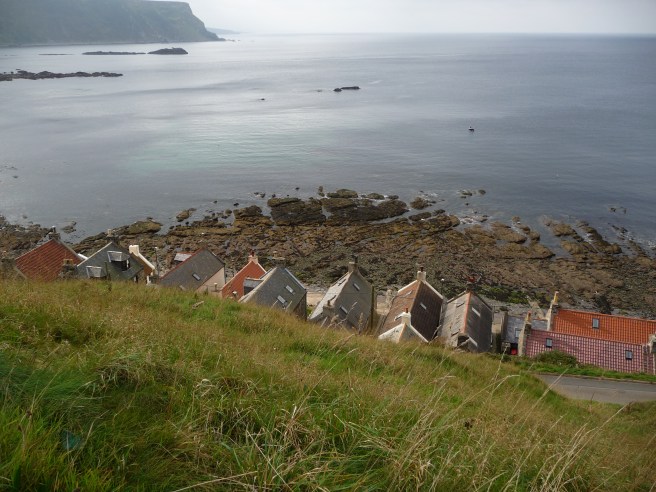
What lies beyond?
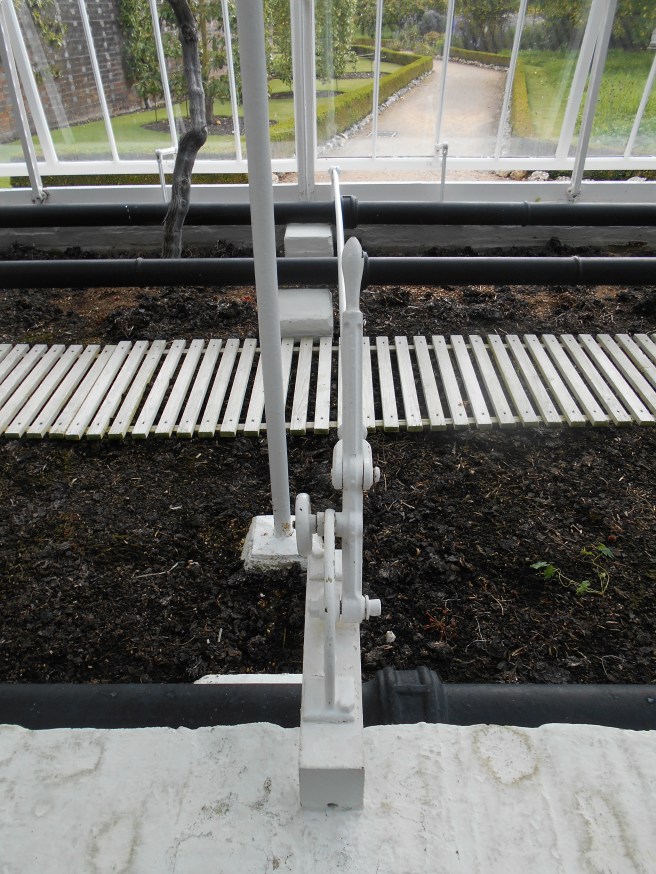

How’s the weather?


What lies beyond?


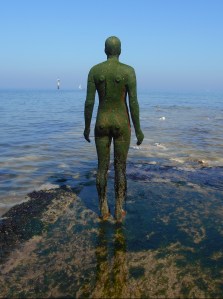
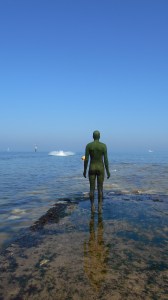


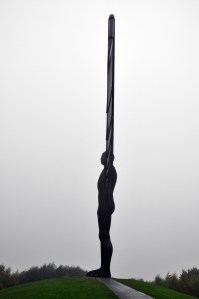




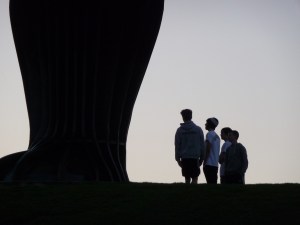


https://www.turnercontemporary.org/exhibitions/another-time-for-margate-folkestone
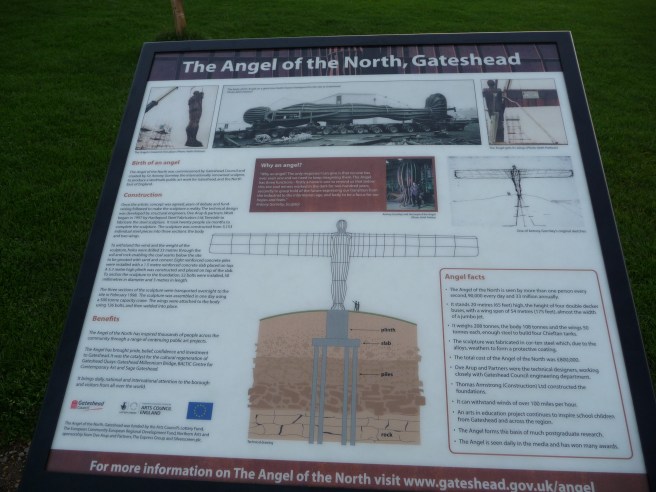
http://www.gateshead.gov.uk/Leisure%20and%20Culture/attractions/Angel/Home.aspx

 To the corner?
 Back in time?
 To the post office?





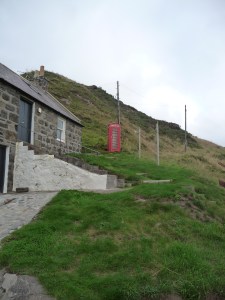
Where would you like to go for a day out? A popular choice in England is to visit a National Trust House. The National Trust is a charity which is over one hundred and twenty years old and owns and cares for 59 villages, 775 miles of coastline and vast tracts of hills and fields, all free for everyone to roam. Whatever your political leanings and thoughts on charities, I’m sure many would agree that these lands are safer with the National Trust than with governments, big businesses or greedy billionaires.

Despite all their other conservation work, Big Houses are what people most often associate with the National Trust, donated by landowners come upon hard times, or just moving with the times. Whatever their ancestors would have thought, the common people are now free to roam their estates. Not actually free; you have to pay to go in A Big House, unless you are one of the four million members; a few visits each year will make your membership worthwhile.
https://www.nationaltrust.org.uk/lists/fascinating-facts-and-figures
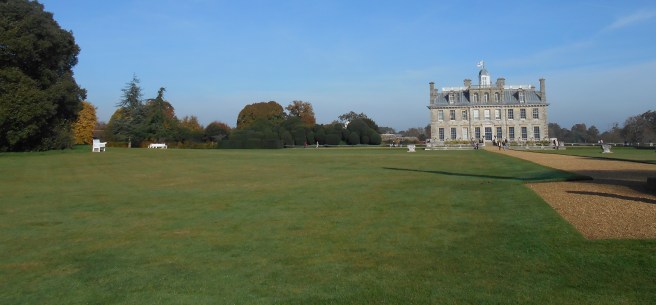
One thing is never guaranteed on your day out, the weather, but that would never deter the average member.

Once you have passed through the portal, you will enter a traffic free zone, except for the occasional buggy for those not up to striding round the whole estate. Your children can run around on vast lawns, visit the adventure playground, do school holiday activities or say hello to some pigs. Gardeners can admire walled vegetable gardens and beautiful borders, nature lovers can enjoy very old trees.


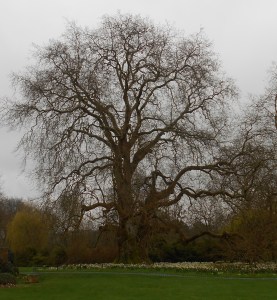


If it pours with rain go and look around the house, read about the owners, peep at family photos and ask volunteers questions. There will probably be an interesting exhibition to look at. There will certainly be sweeping staircases to ascend and descend and narrow stairs to climb as you visit downstairs where the servants worked, or upstairs where they lived.


No visit would be complete without tea and cake or a nice lunch. This will be in the stable block, the old kitchen or the orangery, always a restaurant with character. Then you can rummage through the second hand bookshop which could be tucked away in an outbuilding. The Shop is a must; tasteful and expensive souvenirs, tea towels to bone china. Don’t miss the books, there are bound to be real life stories about the lady of the house or the black sheep of the family.

Perhaps you have visited Durlswood, you may or may not find it in the National Trust guide book, but you can read the mysterious happenings of 2014 in the novella Durlswood, part of the Someone Somewhere collection.

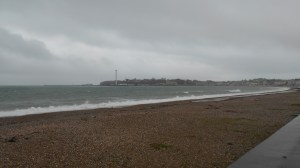
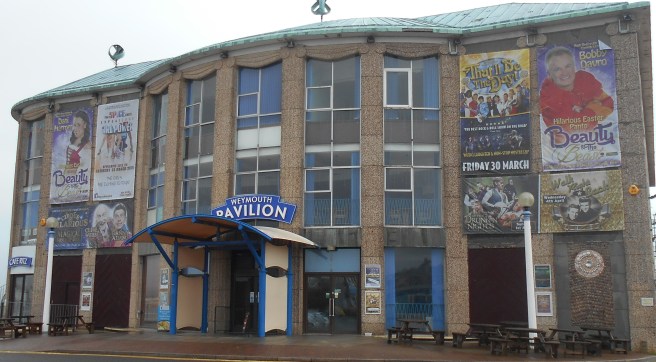
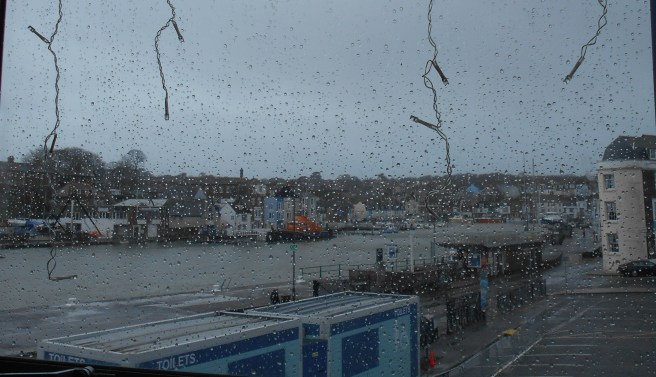
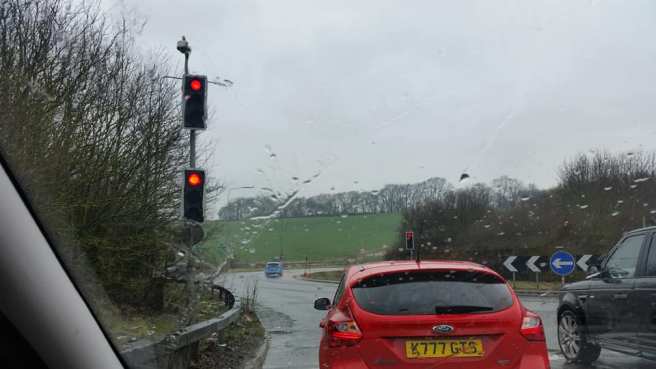 Taking a trip to the seaside? No holiday is complete without a rainy day or several…









Today is ANZAC day and what better way to mark it than with these poignant words from a special guest blogger. In the first of an occasional series my Sister Down Under writes about a unique island.
A Very Humble Monument by Kate Doswell
Some thoughts for ANZAC day 25th April, 2018.
I’m not sure what it’s like in other Commonwealth countries, but in Australia we take our war memorials very seriously, and rightly so. “Lest We Forget” is inscribed on most of them, and as we read down the long, alphabetical lists of names, we are reminded of the truly terrible cost of war. Even in tiny outback towns, the list seems far too long, far too many of the youngest and strongest of the community taken from those that are left behind to carry on.
Most of these monuments are made of stone, imposing obelisks in bluestone or limestone or granite, depending on where they are situated. They are usually in the centre of town. Running around the monument and integral to its form is a ledge wide enough to sit on. People may sit and contemplate awhile, or simply pass by on their daily business or as a visitor to the town. How many, I wonder, stop and read the names and wonder at the fate of these lost men? Do the locals become so used to it that they just pass by?

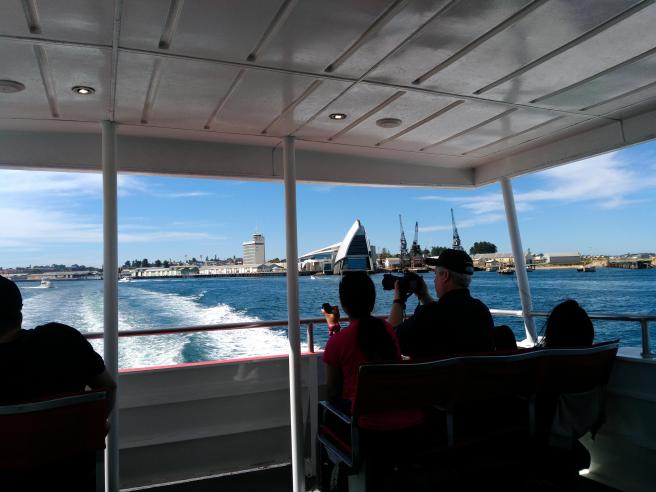
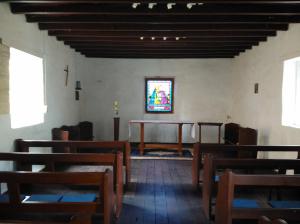
However, not all monuments are as striking or as prominent, and last week I found one that was truly humdrum. It was on the Island of Rottnest, 20 km from the West Australian Port of Fremantle. For many years this Island has functioned as a much loved holiday playground for the people of Western Australia, and the tourists who come to our isolated part of the world. It has a rather grand Roman Catholic church high on a hill, but the Anglican church is represented by a much older, but more modest chapel of limestone and whitewashed render.


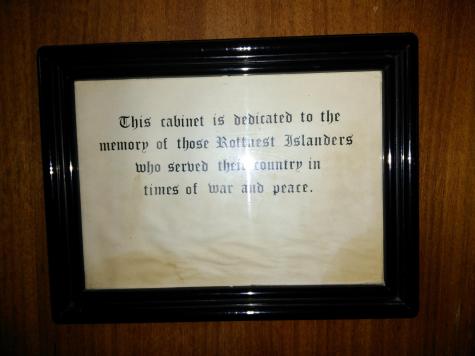
I visited the chapel late in the day, as there were other tourist activities that had claimed my attention. The door was stiff to open, and the interior gathering the gloom of the impending sunset, so the first thing I noticed was the distinctive smell of very old (to our European Australian eyes) limestone buildings from the early settlement era. Above the altar, I could see a simple, but attractive stained glass window depicting The Annunciation. Turning from there I looked at the pews, some thought to have been made by the Aboriginal Prisoners for whom this Island acted as a prison for 60 years. There were brass plaques on the wall in memory of various European families who had played important roles in the Island’s history, but the one that caught my eye was one on the door of a storage cupboard at the back of the chapel. It looked relatively new – certainly not crafted by the Aboriginal men in the 18th century – and I guessed it had been built and installed after the chapel was reconsecrated in 1965. It was utilitarian – capacious and solidly built but without ornament or distinctive features. Except for the plaque. A simple paper notice, its words carefully handwritten in Old English script, and framed with a plain wooden frame, so small it could be covered by two hands.
“This cabinet is dedicated to the memory of those Rottnest Islanders who served their country in times of war and peace.”
I have never seen such a monument before, if I can even use the word monument. Is this the only place in the Commonwealth to have such a homely reminder of the dead?


I didn’t open the cupboard, I had no business to do so, but I imagined it containing vestments for the visiting priest, the chalice and paten, hymn books and orders of service, all the paraphernalia of a functioning chapel. I thought of those remembered by this most humble of monuments, and wondered if they would have been disappointed, aggrieved, or even angry that they had nothing grander built in their memory? But then again, maybe they would have been pleased that, having it placed on an object that was in regular use for the worshipers, they would readily and frequently come to people’s minds. These people, no doubt, would have attended this chapel, maybe some even came in the week before they left to sail away to war. Now, each time someone opens the cupboard and sees that little plaque, they are back here again. Back home to stay.

Observed on 25 April each year, Anzac Day was originally to honour the members of the Australian and New Zealand Army Corps (ANZAC) who fought at Gallipoli against the Ottoman Empire during World War I. It is one of Australia’s most important national occasions. It marks the anniversary of the first major military action fought by Australian and New Zealand forces during the First World War.

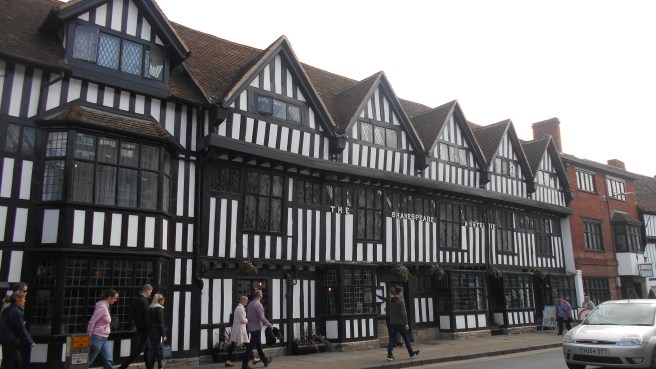
Stratford-upon-Avon was a busy town long before William Shakespeare was born. In 1196 King Richard I granted Stratford the right to hold weekly markets. A lively town in the heart of the country, trading wool, with many craftsmen such as blacksmiths, carpenters, shoemakers, brewers and bakers. By the 13th century Stratford also had a small grammar school.
The town is full of interesting old buildings which must have seen many transformations over the centuries, ending up as hotels or designer shops.
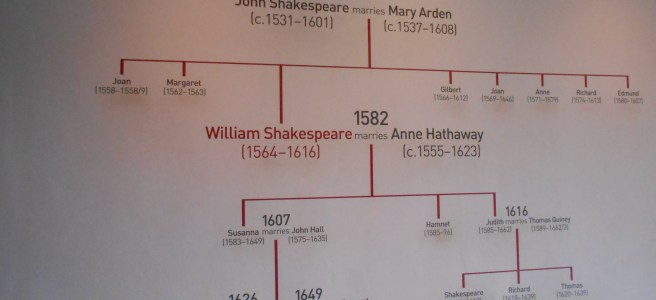
In 1557 a glover from Stratford Upon Avon named John Shakespeare married Mary Arden, the daughter of a well-to-do farmer. Their son William was born on or about 23 April 1564 in a house in Henley Street. And it is this house I had the chance to visit recently. After a varied history the house was purchased by a charitable trust in 1847, sponsored by well known names such as Charles Dickens.


Luckily it was a fine day when I was there; the gardens are very pretty and you can sit and listen to costumed actors who will take your requests for speeches.


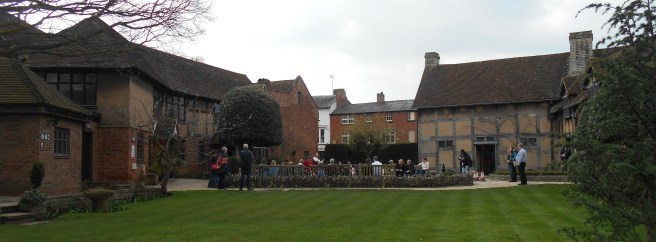


Inside the house costumed guides are there with plenty of snippets of information or domestic details. Dinner was eaten at 11am; as the son of a middle-class citizen William would have attended the grammar school. He went to school at 6am then came home for his dinner. Sumptuary laws in Tudor times aimed to keep class distinctions and prescribed what people could eat. The Shakespeare family were allowed two courses, but each course included plenty of dishes.
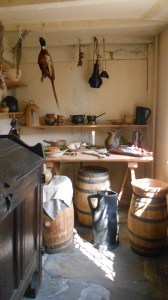

Upstairs you can see the marital bedroom where William was born, even the likely spot near the fire, with his mother probably using a birthing stool. Younger children shared with their parents, a truckle bed being wheeled out from under the parents’ double bed and did not sleep in a separate room until they could be trusted with a candle. Wooden houses with rush floors were a great fire hazard. For the same reason all domestic fires had to be put out at sunset; the risk of a spark while everyone was asleep was too great. Doorways were small, not because people were much shorter, they weren’t, but to keep the heat in. The long nights of winter must have been uncomfortable, especially as people slept sitting up with a bolster and pillows. They believed if the Devil saw them lying down he might think they were dead and take their souls.

Read more about my trip here.
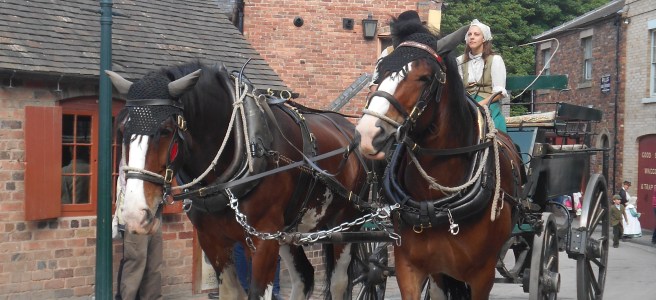





On Monday we paid a long overdue visit to Jane’s house; Jane Austen’s House in Chawton, Hampshire. I had always imagined the little cottage under siege by coach loads of tourists, timed tickets and queues. Perhaps a Monday school day, arriving soon after opening time, made it a simple and civilised visit that Jane would appreciate.

We parked in the free car park as instructed on the website; all was quiet, rain threatened, but never happened. The wet winter has left the gentle Hampshire countryside lush and green.
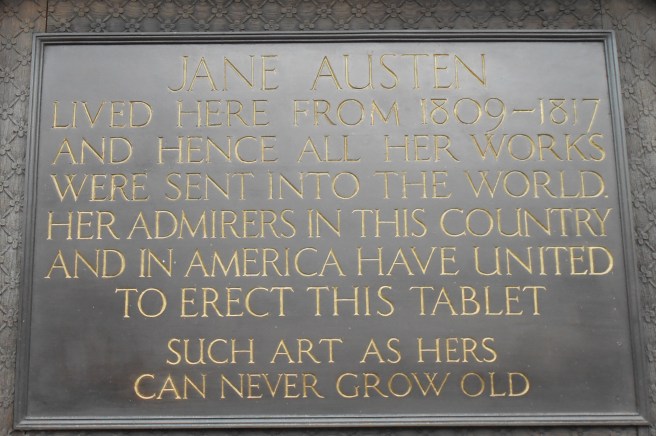
Jane’s friends were cheerful and welcoming, the tulips and primroses in the pretty gardens were at their best. It was a bit early to call on the Misses Austen so we roamed the gardens, looked around the bakehouse, enjoyed a moving picture of family life and admired the beautiful quilt given to Jane for her anniversary last year. Everything was seemly, nothing tawdry presented to visitors.

We felt immediately at home when we stepped inside the red brick cottage. The Austen ladies do not own this house, but I would never let on that I knew this. What does that matter when Jane feels so at home here, at peace to write while Cassandra and their aptly named friend Martha take care of the housekeeping. Left an orphan, with just a little money I gather Martha Lloyd became part of the family long ago, not in a position to be independent or find a husband.

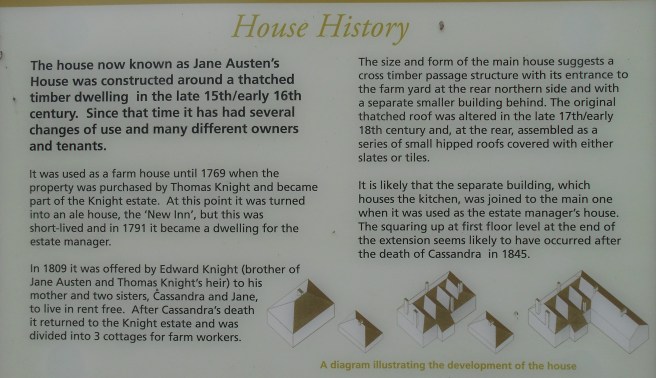
The Drawing Room is newly papered in a pretty yellow pattern, Chawton Vine. It was here we met a relative of Jane’s brother Edward, Jeremy Knight, who invited us up to the Great House, as Jane calls it, for lunch later. Who could have foreseen when the Austens sent their son to be adopted by the Knight family that he would be instrumental in making sure his sister’s novels were published.

Upstairs the floorboards creaked and Jane will not have the creaky door fixed as it is a warning of someone coming so she may hide her writing. Mrs. Austen’s room is the largest and is newly decorated with a pretty ribbon trellis pattern wallpaper. The ladies have stitched a beautiful patchwork coverlet. Every window sill had a pretty cup with a posy of spring flowers, testament to how beautifully the ladies keep the cottage.


We didn’t stay too long, Jane’s health has not been good and like all authors she probably can’t wait for visitors to leave so she can return to her writing.

Back outside the rain still held off and we walked up the road in Jane’s footsteps to Chawton House, the merry sound of the local children at playtime ringing in our ears as we passed their school. With fields all around one can see why Jane and Cassandra enjoy two hour walks every afternoon. Up the long driveway to the house it was very quiet, we rang the doorbell and it was quickly answered; we were welcomed inside and shown into the cosy kitchen. We only had time for a scone and tea, as we had another appointment, but promised to come again when we return to see Jane.
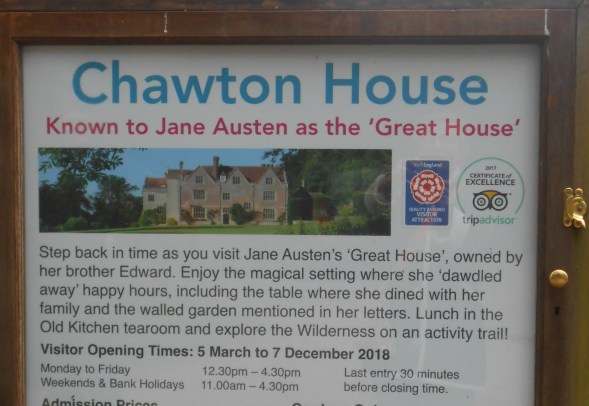


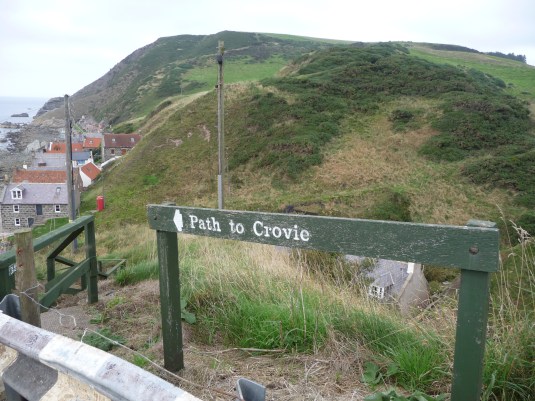
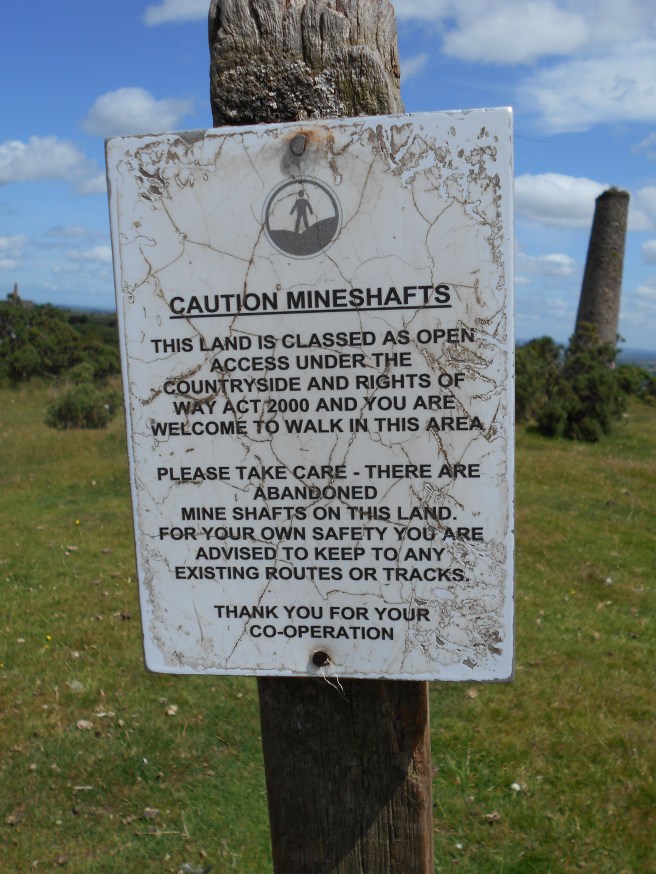
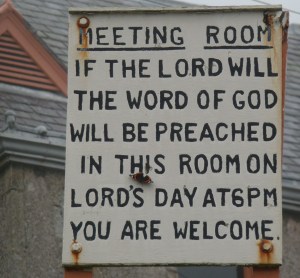
 but make sure you read the signs.

 Perhaps you should move further on…




 Times and Tides of a Beachwriter