
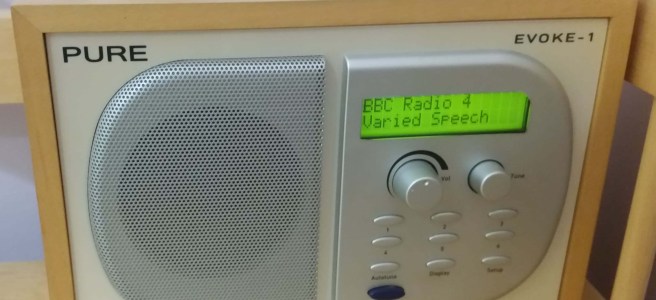
Last year I took part in one of Sally Cronin’s author interviews on Smorgasbord. We could choose five questions from many and looking back I seem to have given rather long answers. As I am having a musical theme this month I thought I would revisit two of my chosen questions.
What is your favourite music genre and why?
If you were granted three wishes what would they be?

People who know me, or have to put up with me, would say Classical is my genre, but like my novels I don’t stick to genres. The narrowest definition of Classical is music written in the European tradition, approximately 1750 to 1830, when the symphony was standardized. Yes I do like music from that period and the symphony orchestra is an amazing creation to listen to and watch, but most people think of the bigger picture. According to taste, classical music could be any music you find boring, anything they play on BBC Radio Three and Classic FM, or works performed at The Proms. Perhaps all music that has stood the test of time is the best definition.
Two easier questions to answer…
‘Can you live without music?’
No.
‘What music don’t you like?’
Anything involving Pan Pipes, Sondheim or the Eurovision Song Contest… plus a collection of pieces and songs from all genres that make me lose the will to live. For example, ever since I was a child, I could not stand Moon River.
But I do love all sorts of music, whether it’s on the radio livening up cooking and housework through to the ultimate, live performances.
I have sat wanting Riverdance to never end, seen Phantom of the Opera four times, been taken totally out of the dreary surroundings of a school hall when a Bhangra band burst onto the stage and been blasted out of this world by Verdi’s Requiem.
If the symphony orchestra is at the heart of classical music the concert hall is pure theatre; from the moment you trip over feet finding your seat, watching the orchestra tune up, the ritual of the leader coming on, applause, the conductor coming on, even more applause and no one’s done anything yet. If there is not a great choral work being presented then some audience members sit in the choir seats behind the orchestra, looking down upon the percussion section. Plenty of composers have written BIG symphonies and how happy the percussion players look as they get a chance to strike the timpani and clash the huge cymbals; we wait with bated breath to see if the cymbals will fly out of their hands back into the audience in the choir seats. There is drama at the front of the stage also. The development of the iron frame piano in the 1800s was the best thing to happen to keyboards, gone were the long dreary evenings of harpsichord. Beethoven led the way to testosterone fuelled concertos, Rachmaninov, with his famously long fingers, stretched them beyond imagination. Sitting in row C gazing up at the shiny grand piano played by an international soloist beats seeing a tiny figure in the distance at a pop concert.

Meanwhile back in the kitchen what do I recommend for dancing round doing the dishes? The original recording of Benny Goodman at Carnegie Hall in 1938, ‘Sing Sing, Sing’; twelve minutes of Swing heaven and heart stopping drums. I guess ‘you had to be there’, but for those of us that weren’t you can get the double CD. ‘Forty Second Street’ is one of my favourite musical numbers and a playing of the original film at our little local Art Decor cinema remains a highlight of my cinema experiences. Or how about a waltz? The waltzes from Carousel the musical and Khachaturian’s Masquerade Suite are both life affirming and energising.
On Saturday evenings BBC Radio Three often broadcasts Live From The Met. While audiences in New York are enjoying a matinee opera, I am cooking dinner. I enjoy the presenters with their mellifluous voices telling us the story, talking about the scenery and costumes; then when the opera actually starts I’m usually bored after fifteen minutes! Sometimes it’s better just to hear the best bits.
We all have rhythm, we all have a heart beat. Babies like simple tunes, our ancestors sung round the fire outside their caves when there was little else to do. But music evolved, chords and harmony appeared, musicians started writing it down. You don’t need to be a music expert to enjoy listening, all you need to know is that music is an amazing combination of pure mathematics and mystery. Who can analyse why certain music sends shivers down our spine?
Those of us who tried and failed to learn any instrument properly will have been left with great admiration for real musicians, who have reached their pinnacle with hard work as well as talent. But in my novel, Brief Encounters of the Third Kind, a very ordinary couple, who know nothing about the musical world, find themselves with a child genius. And Emma’s mother has good reason to fear that her daughter is not an ordinary human, not even human at all… which led me to the first of my three wishes.

A famous British composer, a living one, excited to find a novel about musicians, reads Brief Encounters of the Third Kind. He or she is overwhelmed and inspired to write what I cannot; the music Emma Dexter has composed. I don’t know how Emma’s music sounds, I do know it is deep and moving and full of melodies: that is why she and her cellist husband are so popular with the general public. The music is received rapturously, some of the works are premiered at The Proms and the great composer is inspired to write the entire opera that takes place at the end of the novel.
Actually I would settle for a totally unknown poverty stricken composer, who becomes famous after being inspired by my novel and writing the opera.
My wish hasn’t come true yet…
Visit last year’s blog to see what my other two wishes were.

 Times and Tides of a Beachwriter