
Today Sally at Smorgasbord posts her review of my first novel Quarter Acre Block. Thanks Sally.


Today Sally at Smorgasbord posts her review of my first novel Quarter Acre Block. Thanks Sally.
This week I am a guest at Sally’s wonderful Smorgasbord blog where she regularly promotes other writers, as well as writing her own interesting blogs.
Do pop over and find out which of my novels Sally is sharing.
https://smorgasbordinvitation.wordpress.com/2025/05/15/smorgasbord-book-promotions-2025-
Now for something completely different, take a trip to the southern hemisphere, unless you are already there…


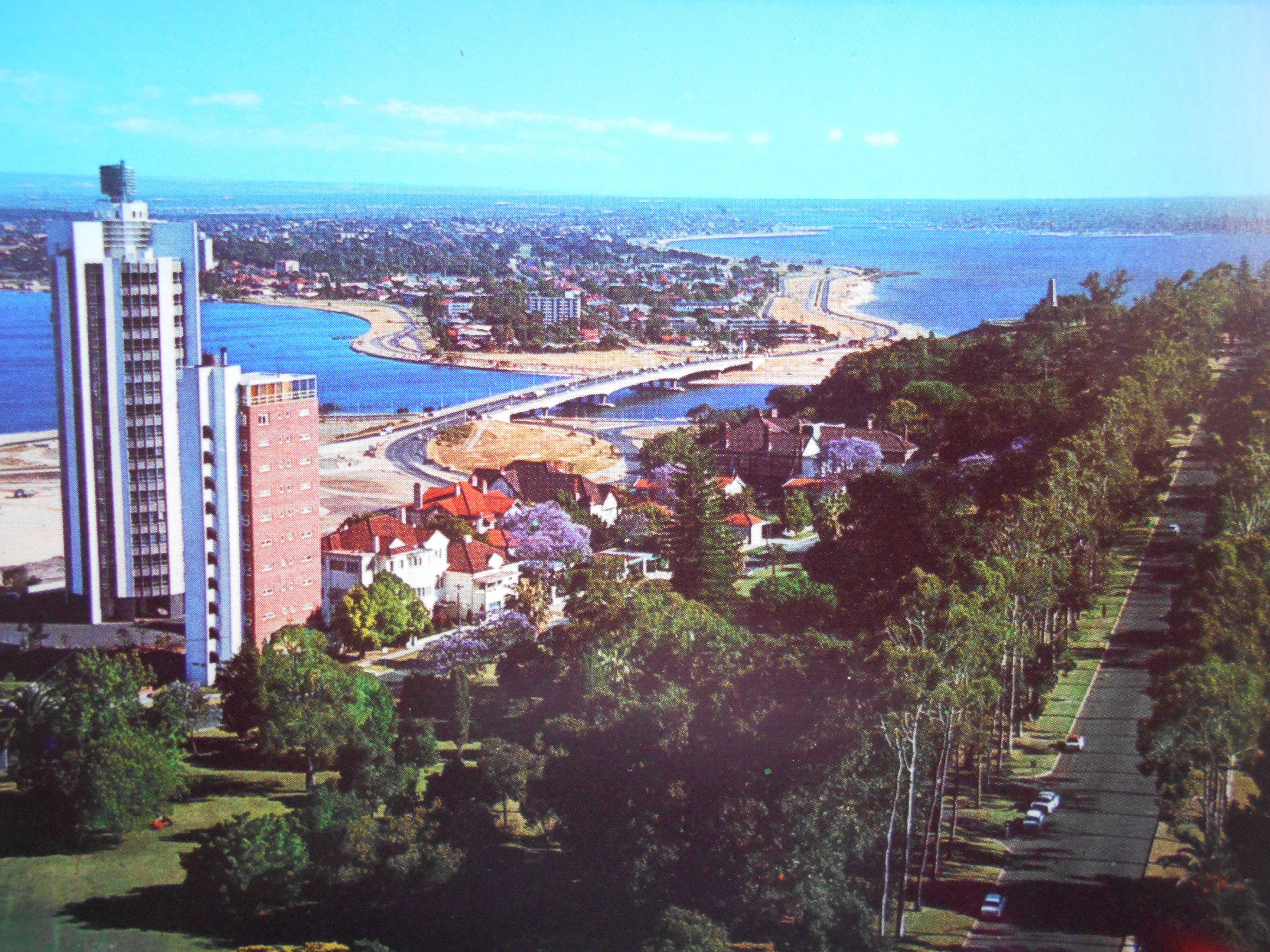
All photos courtesy of my sister and occasional guest blogger, Jean Foster. Taken in Western Australia.
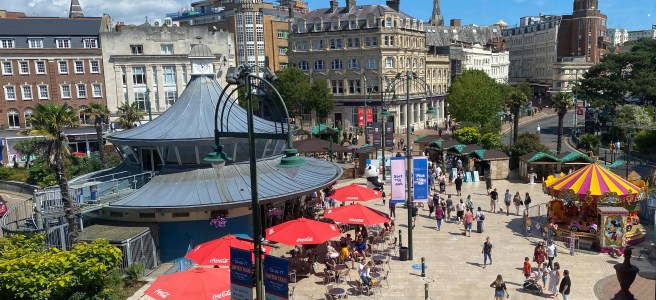
Is getting back to normal life post Covid realistic? Are we Post, what is reality and what is normal life? No, don’t know and goodness knows…

Pandemics, epidemics and natural disasters have been normal for humans since we started wandering around, or at least wandering around in large numbers. Natural disasters were not disastrous before there were human settlements to destroy. Unless you were a dinosaur; even for them, getting back to normal life after a meteorite collision was never going to happen. Even Gaia was probably upset with giant meteors, just when she thought she controlled everything.

But for those of us who thought we were leading a privileged, or at least comfortable safe life before Covid, getting back to normal is what we both crave and fear. Some of us cannot have our old life back, while others are glad of the opportunity to start a new normal. Few of us believe our leaders have handled the crisis well all the way along. Every nation and state seems to have had different rules and while England is rapidly dispensing with restrictions ( I think, unless it’s all changed again ), on the other side of the world ‘Saint Mark’, Premier of Western Australia Mark McGowan, continues to try to protect the citizens of the Hermit Kingdom from Covid and the outside world.

‘In Western Australia, where there has never been a major Covid outbreak, Mr McGowan warned WA residents more restrictions could be implemented as new infections rise. With the state’s grand February 5 reopening now shelved indefinitely, tourism companies on the west coast will be unable to benefit when the rest of Australia flings open their doors to foreign tourists on February 21.’
https://www.wa.gov.au/government/covid-19-coronavirus
Of course it helps when your state is bordered by ocean and desert with only two roads in. Life has carried on more or less as normal. I don’t think people have been prevented from leaving, but they might not be able to get back in.

So where is normal life happening? The fewer restrictions the more worried are the hierarchy of the vulnerable. Clinically Extremely Vulnerable at the top perhaps, CEV a term to distinguish from those merely immunocompromised? However people are classified and however many jabs they have had – we’re up to four now – those worried about their health or their loved one’s health are still sticking to Zoom meetings, shopping on line and isolating.

But going back to normal is not good for the planet. However heart breaking this pandemic has been, Covid will not reduce the population enough to save Gaia, or rather keep her safe for us to live on. Have most of us forgotten we are meant to be saving the planet, have we forgotten how sweet the air was during that first world lock down, when streets were empty of polluting vehicles and people saw mountains from their city windows for the first time?

The new normal is unlikely to be a return to the simple life, or a rapid scientific breakthrough to heal Gaia while keeping our lifestyles. So it’s back to reality, unless you want to hide from reality with all the new skills you learnt during lockdowns. Have a pyjama day and hide under your duvet watching Netflix and ordering delicious meals from Deliveroo.
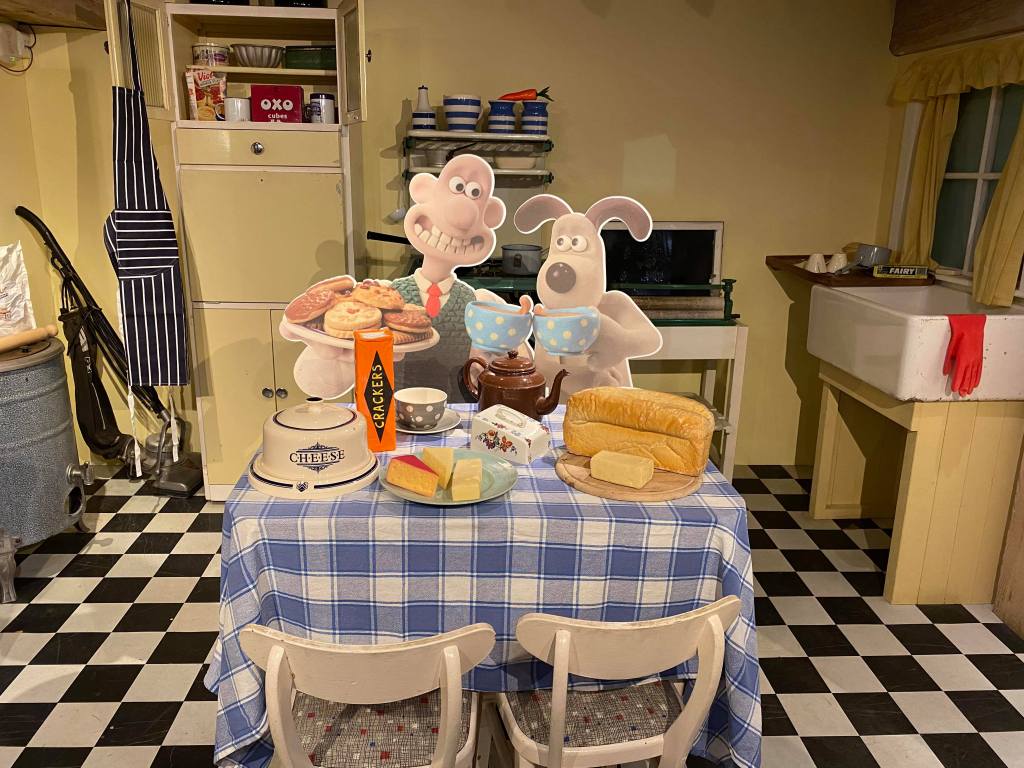

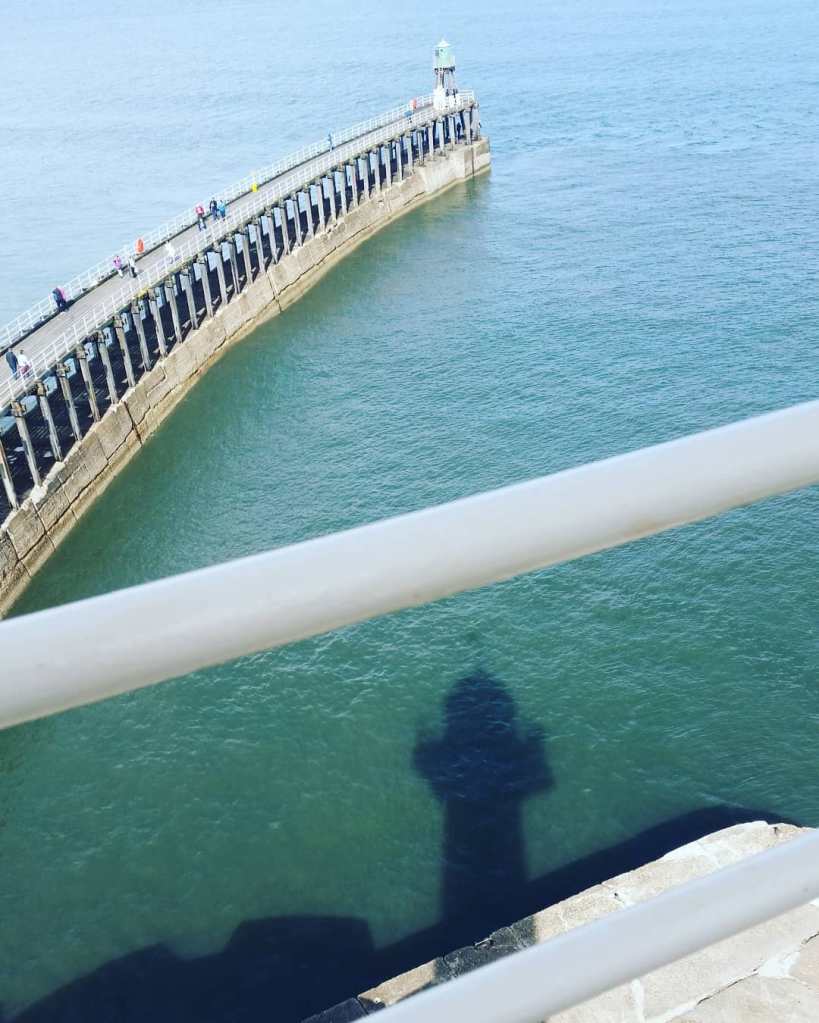
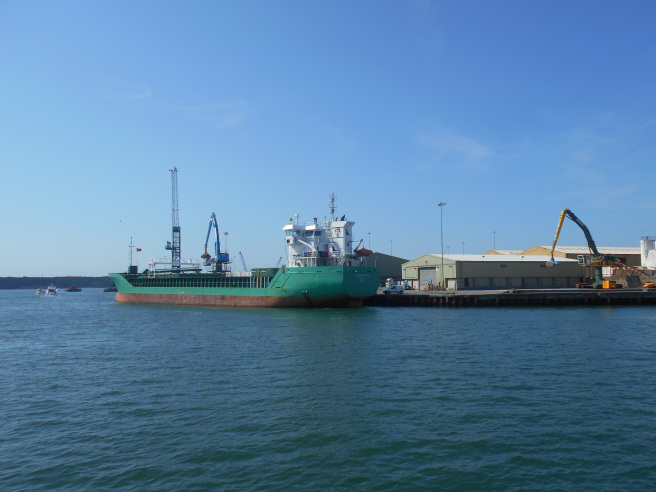
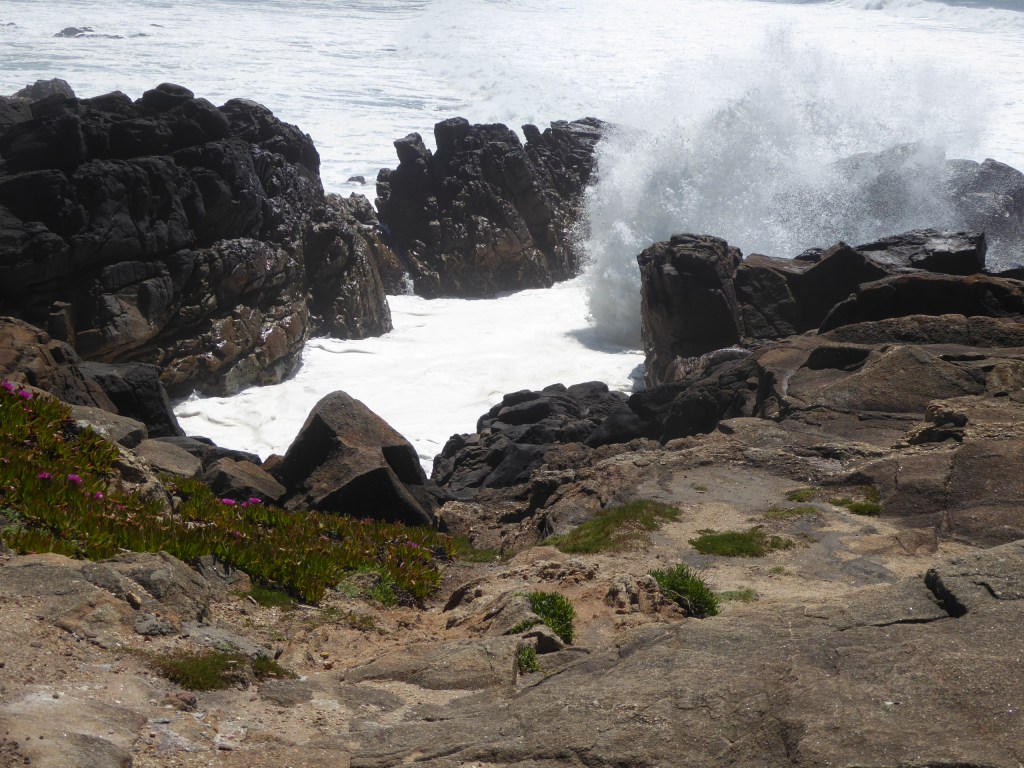
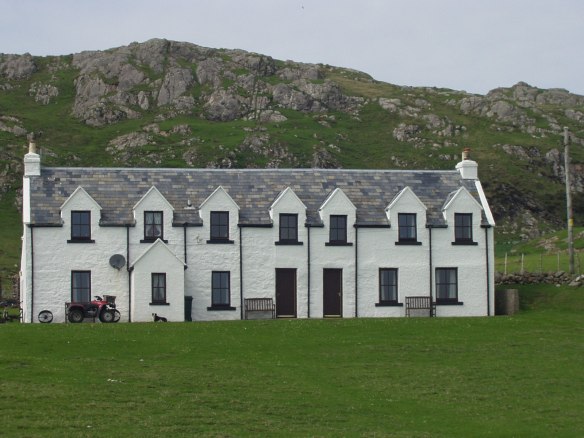
Going for a walk is all many of us are allowed to do in lockdown and a change of scenery is always good. The photos are courtesy of my sister in Australia.


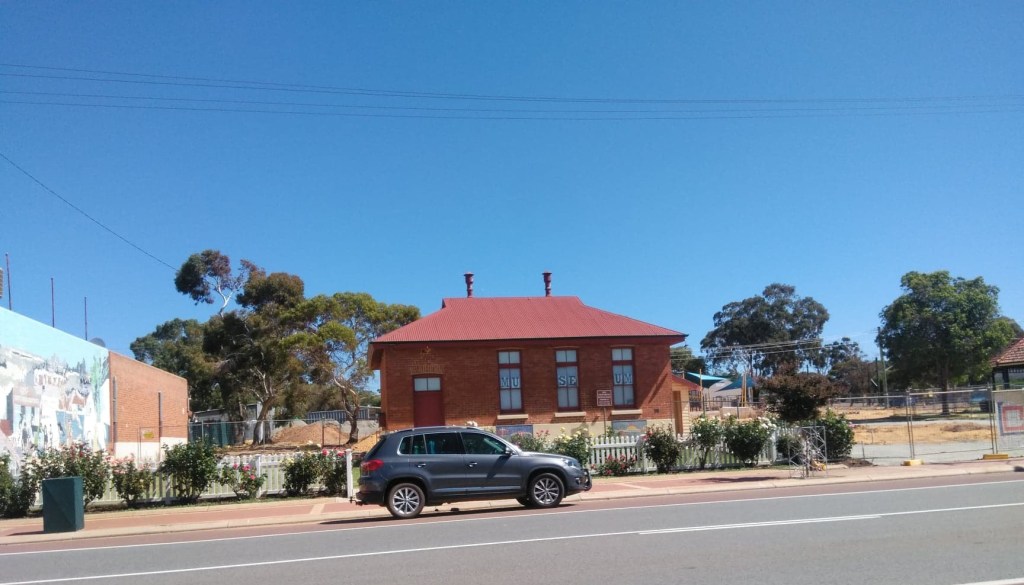
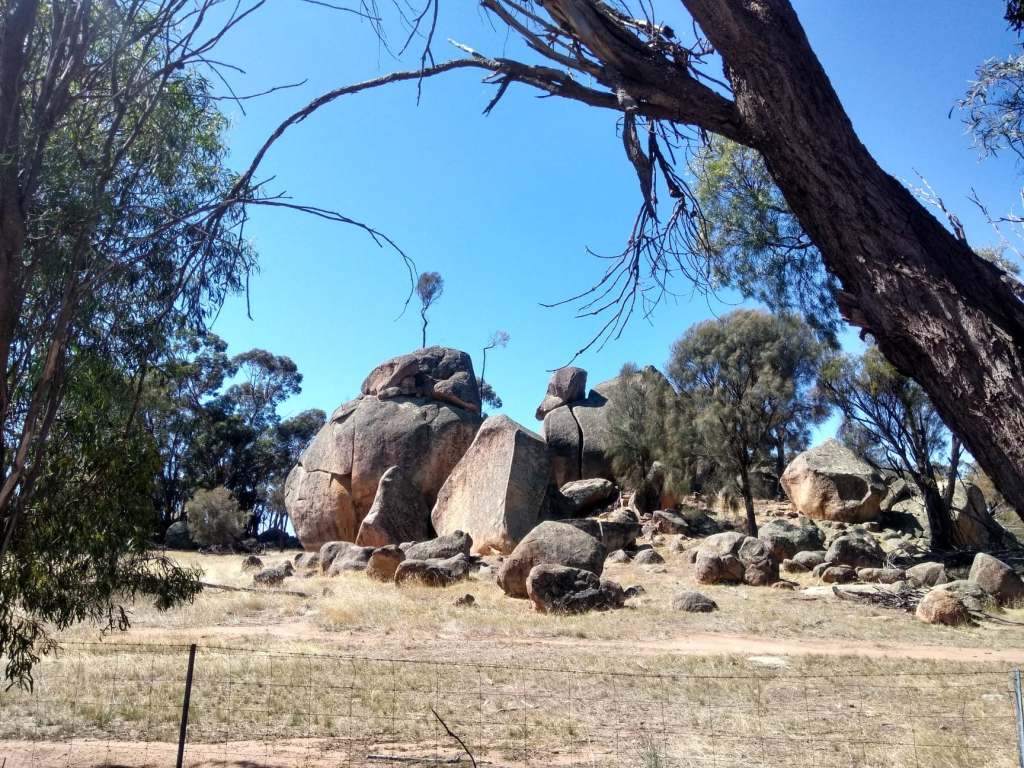


A dozen places you can go to be alone. WHICH WOULD YOU CHOOSE?





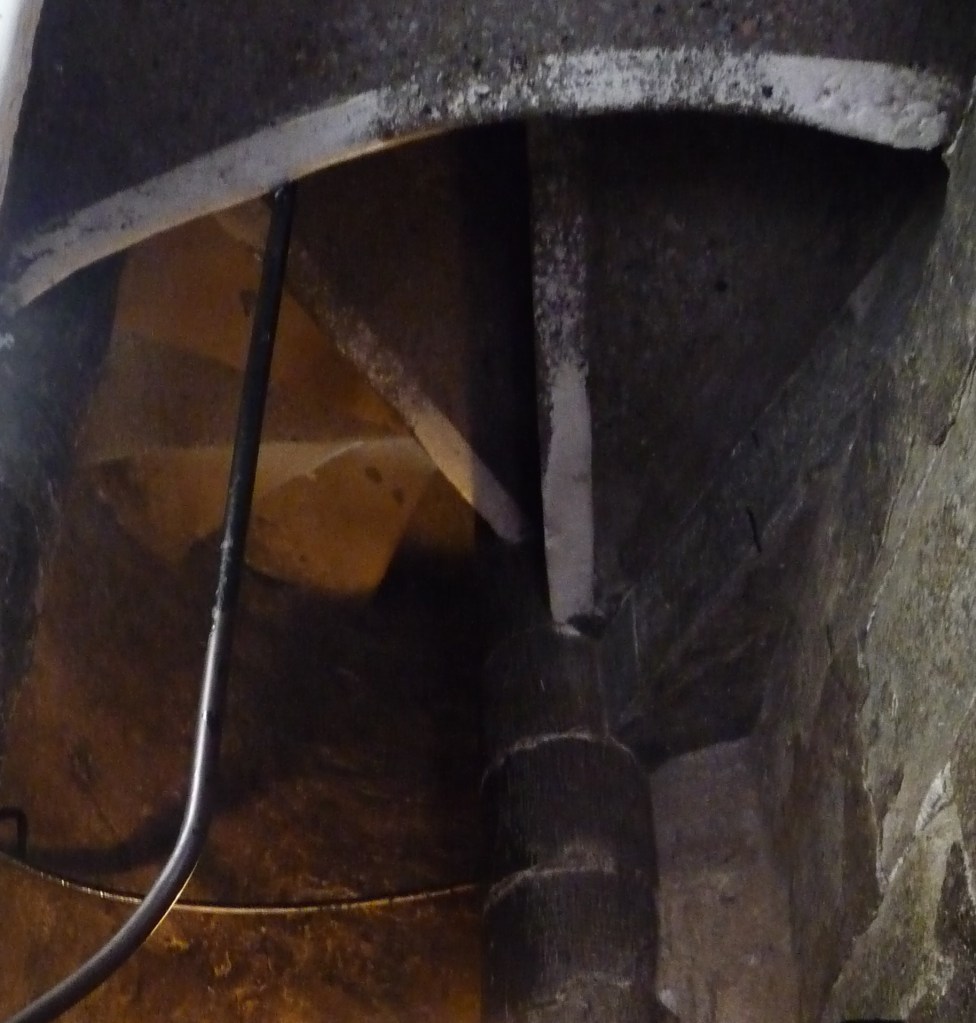
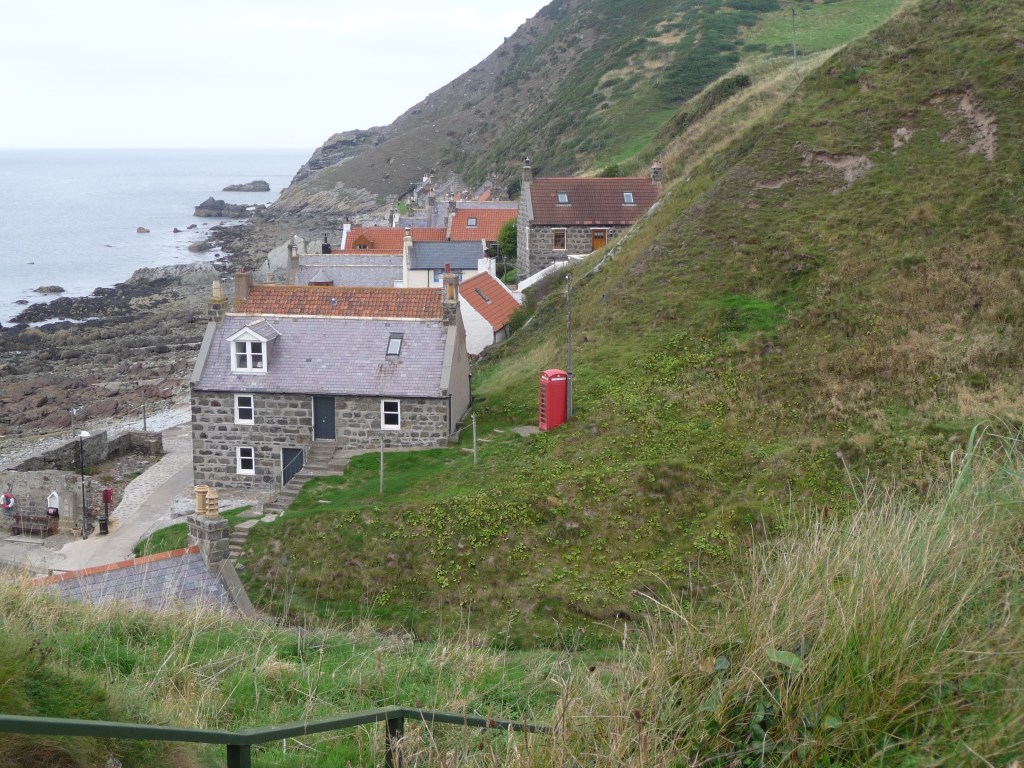

…and Which, Wonder, Winter, Widowhood, Worries, Will???
In French the Questions will be Quand, Quoi, pourQuoi…
Most of the world is asking when the pandemic will end and a further multitude of questions about variants and mutations, with no straightforward answers. Ironically, while England is still deciding whether to quarantine people in hotels, Perth, Western Australia detected its first case of coronavirus in almost 10 months; a quarantine hotel security guard. Nearly two million residents were placed into a five day lockdown on Sunday.

One thing most of us in lockdown don’t have to worry about is summer bushfires. Thousands were told yesterday and today to ignore the Covid stay-home order and evacuate their homes, as a bushfire in the hills on Perth’s outskirts gained pace. But the most chilling warning is It’s now too late to leave, you must stay in your home. The blaze, which is the largest the Western Australian city has seen in years, has already burnt through more than 9,000 hectares, destroying at least 71 homes.
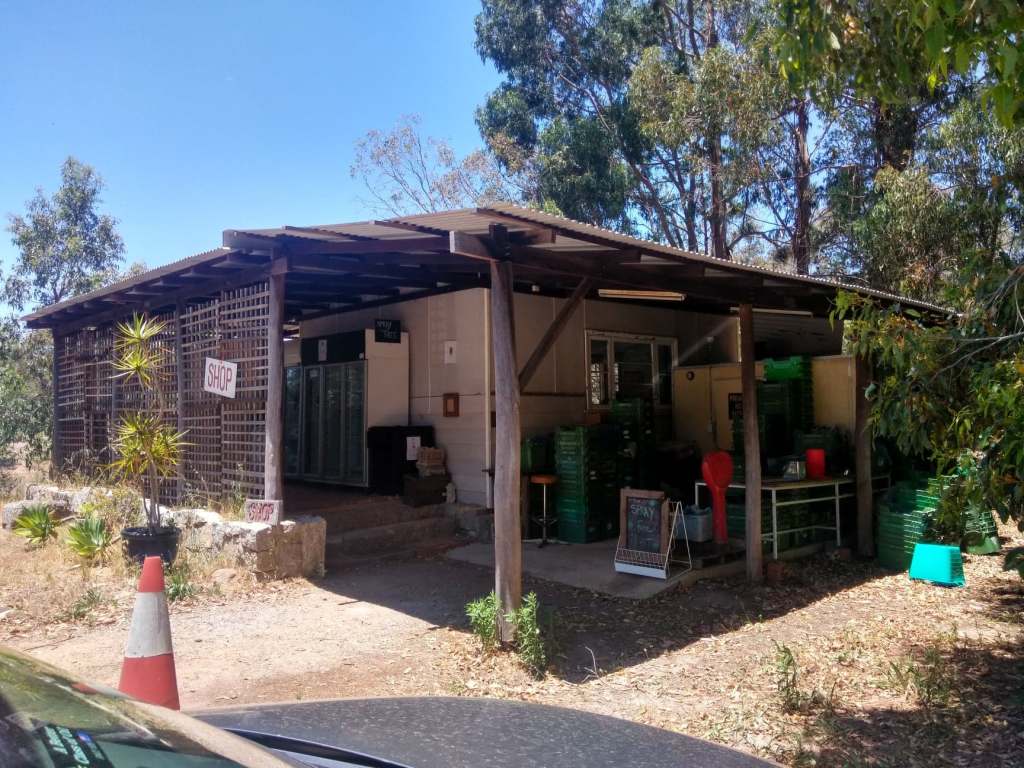
Perth spotted one little weak spot in its robust Covid protection status, while many of us see great gaping holes in our countries’ defences. Hindsight is a great thing, but I think medical experts and even ordinary folk had enough foresight to see more should have been done earlier. There are people who have isolated completely for nearly a year, but most of us, every time government advice eased off, have had visitors or been on a little outing; some people have been jetting all round the world.
If you listen to the news too often you will drown in numbers and go round in circles. But one positive thing is the vaccination programme in the United Kingdom, which is rattling along at a great pace. With little new to talk about in lockdown, the gossip is who has been immunised lately.

What is everyday life like now after months of Tier systems, November Lockdown 2 and a month in Lockdown 3? Grandparents have been unable to see new grandchildren; weddings, moving home and plans to have babies have been put on hold all round the country. I have been widowed for five months now and half of me is still happy for normal life to be suspended, but the other half is missing family and friends and being able to visit and get out and about. Then there are the not so regular events that can’t take place; luckily Cyberspouse said he didn’t care what we did with his ashes, so he wouldn’t mind that they are still in the cupboard with all his camera equipment…
Going for walks is now the national occupation. I don’t drive, so I am used to walking to get places. Then there is the traditional going for a walk with your partner, family, friends or by yourself to recover from a stressful week at work. Whether locally or on a day out, The Walk used to involve stopping for coffee at a beach front café, lunch in ‘The Stables’ at a National Trust property or popping into interesting shops in that nice town by the river…

In lockdown you may get a takeaway coffee when you meet up with the one person from another household for exercise if you are living on your own. I am too dyspraxic to walk, talk, avoid tripping over dogs and drink out of a hot cardboard cup at the same time. But it is good to be out seeing people. The cliff tops and promenades are full of folk and plenty of those are also taking brisk walks by themselves, though I am the only one in a bright pink coat. Most of us are managing to adhere to social distancing and I think it is safe out in the fresh air or gale force winds.

A walk around residential streets as it’s getting dark is also quite fun; lights are on but curtains and blinds are still open. I have always enjoyed looking in people’s windows, all the different decors and cosy interiors and life going on. Some people still have Christmas lights in the front garden or Christmas trees indoors, it all helps brighten up this strange winter.

When we are not out, many of us are on line. Those of you working from home or trying to teach home schooled pupils are probably heartily sick of Zoom, but it’s still a novelty for me. We could all be in space ships or in a space colony. Is this the future? At the weekly Saturday evening quiz I see people I would never meet in real life. I have started going to our camera club Zoom meetings and members can put their pictures on the screen – not me obviously, my technical skills only stretch as far as typing in the meeting code – but it is nice to chat and see both familiar and new faces. Lounging on the sofa with my ipad instead of sitting on a plastic chair in the church hall, what’s not to like? Will people want to go out on dark winter evenings when they could just stay home? Those who are not on the internet or are nervous of technology could miss out, but the disabled, those who can’t leave children and those without easy transport would all be on an equal footing in Zoomland. Will this be what we wish for?

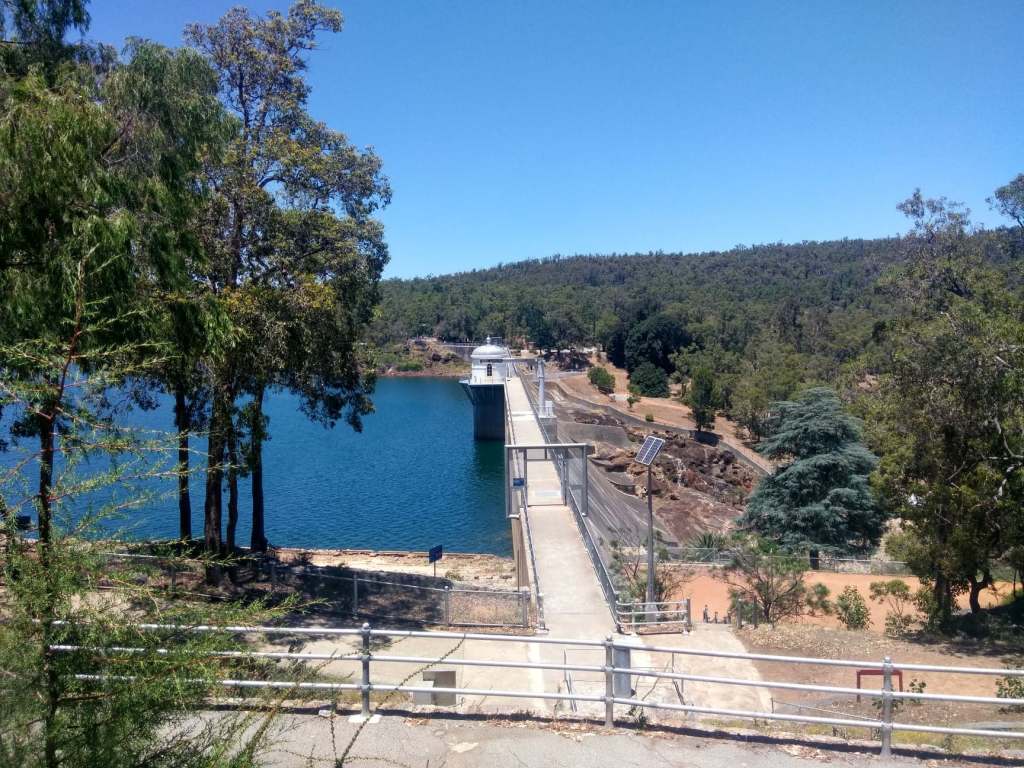
Today I welcome another guest blog by my sister in Australia. When our family first emigrated to Perth in 1964, going up in the hills to see Mundaring Weir overflowing was a regular outing…
Pipe Dreams by Kate Doswell
As a child, I was both fascinated and saddened by the story of Charles Yelverton O’Connor – always referred to as C. Y. O’Connor. As Western Australia’s Chief engineer at the turn of the last century, he was responsible, amongst other things, for the design and construction of Fremantle Harbour, WA’s main shipping port and – more famously – for the Kalgoorlie pipeline.

Kalgoorlie was the scene of WA’s massive gold rush and by the early 1900s was a busy town; the engine for much of the wealth and development of the fledgling state. The drawback was that it was in an arid area 560 isolating and harsh kilometres from the capital city of Perth. Supplies of water were a major stumbling block to further development and an answer needed to be found.
C. Y. O’Connor had the audacious idea to build a pipeline to take water from Perth to Kalgoorlie, a feat never attempted before over such a large distance. It would involve construction of a large dam at Mundaring, in the hills above the swan coastal plain. The project would require pumping stations at Mundaring and along the route, and steel pipes big enough to carry sufficient water.

It is ultimately a story of triumph – a brilliant idea, carefully planned and skilfully executed, a triumph made even more incredible considering its achievement by a small, isolated European settlement transplanted into an ancient country only 70 years before. But it is also a sad story. C. Y. O’Connor never lived to see its success; he committed suicide. The story I heard as a child was that the tap was turned on at Mundaring, but due to a miscalculation the water took longer than expected to reach Kalgoorlie. C.Y. O’Connor thought he had failed. He rode his favourite horse out into the surf at a Perth beach and drowned himself. The timing wasn’t quite that poignant, but the fact remains that he was driven to a state of despair by the critical and unrelenting attack mounted against him by the foremost (and possibly only) newspaper of the day, The West Australian (still the only state based newspaper in WA). His other major critic and tormentor was the Premier of the state, John Forrest, though he was happy to share in the credit once it was a success.
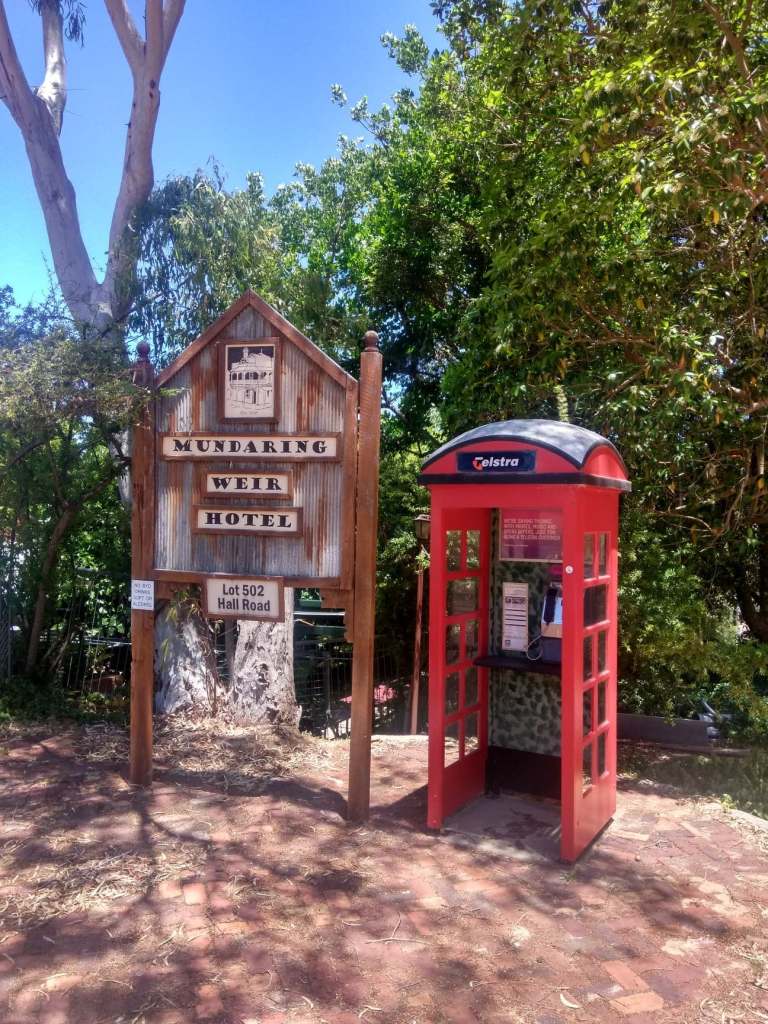
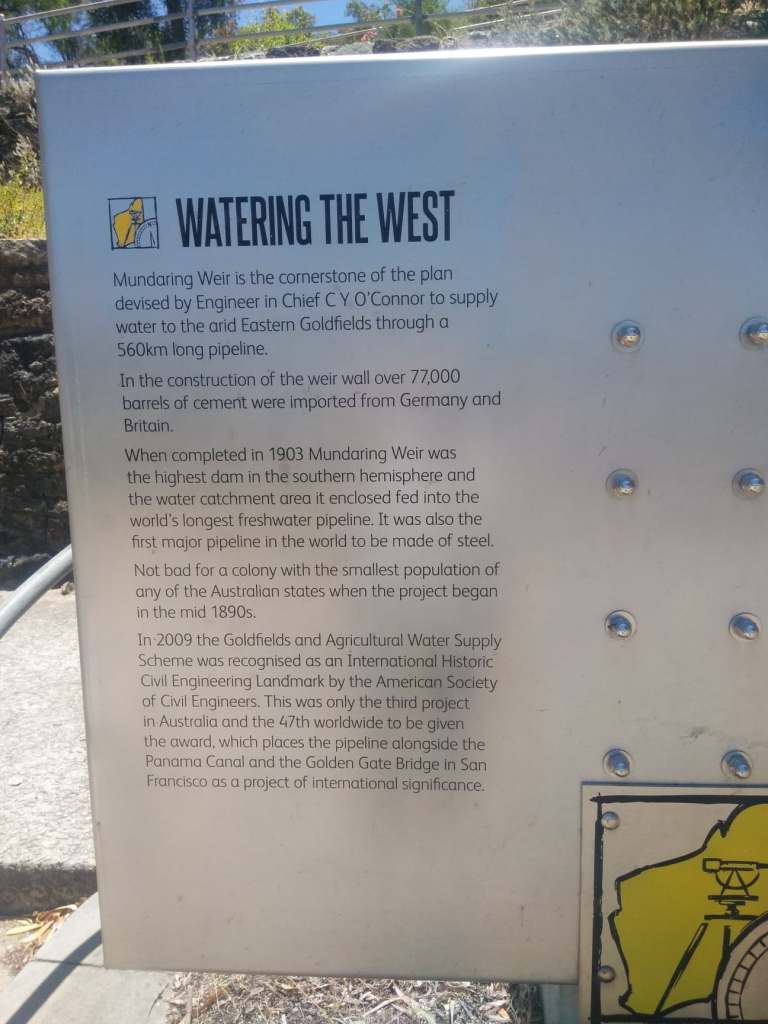
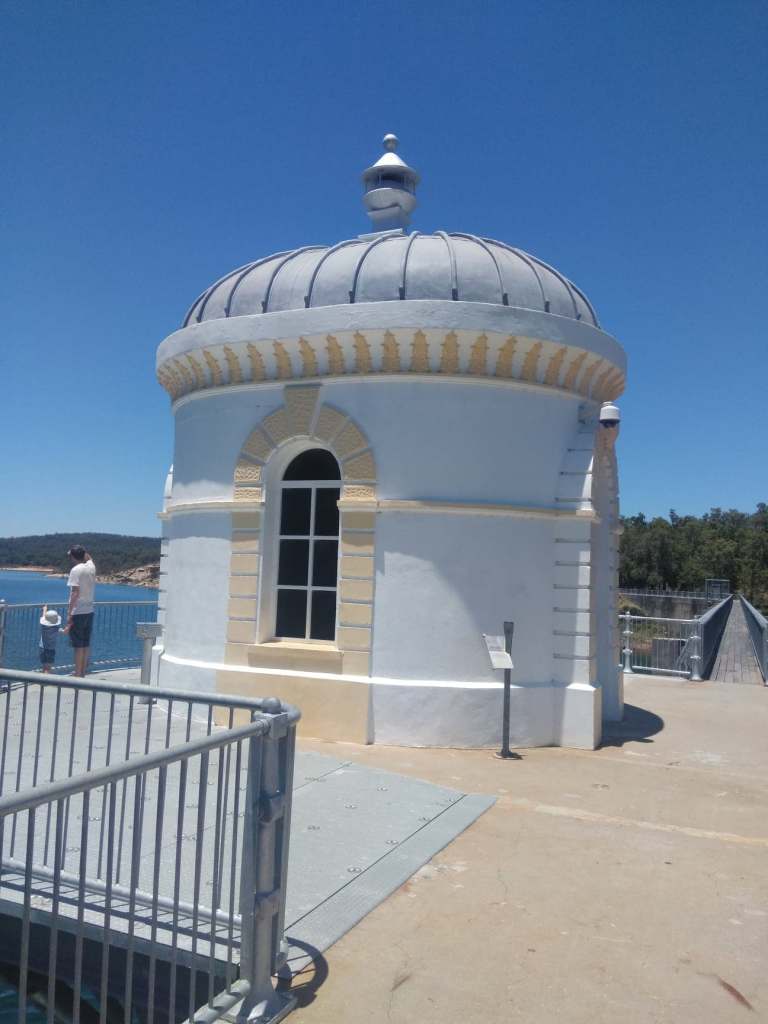
I recently visited the weir for the first time in many years, and it was an occasion for reflection on its place in our history. Completed in 1903, it was the longest freshwater pipeline in the world at the time, the first to use steel pipes and fed by the highest dam in the Southern hemisphere. In 2009 it was recognised as an International Historic Civil Engineering Landmark by the American Society of Civil Engineers, only the 3rd in Australia and 47th in the world to be awarded, alongside the Panama Canal and the Golden Gate Bridge.
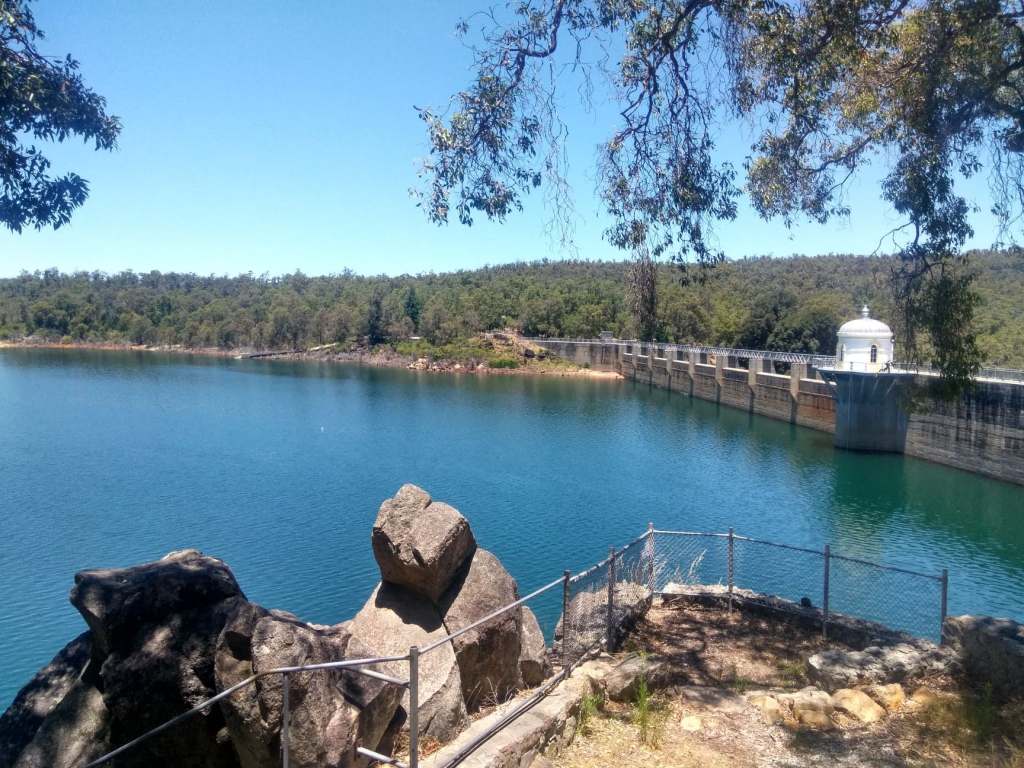
On a more personal level, I remember as a child we visited the weir often, as a family and as part of a youth group with a campsite nearby. I always found it interesting and it has a beautiful setting, surrounded by hills and jarrah forest. As a teenager, my family moved to a wheatbelt town, and the water we drank came from the pipe. The pipe ran under our front garden, though I hasten to add we didn’t have a tap connected directly, since the size of the pipe means it stands as tall as a person when it runs above the ground.

Not only had the pipe delivered water to the miners, it had also allowed the opening up of agricultural towns along the route. It is a constant feature running beside the roads, dipping underground to go through towns, then re-emerging on the other side. It is a guide; I can remember doing a walk-a-thon to raise money, and the route was simple. Just follow the pipeline, you can’t get lost! You can even walk on it if you feel adventurous and have good balance.

My recent visit also gave me pause for thought about our current environmental crises. Perth has traditionally relied to a large part on water from our various dams, but with climate change our rainfall has fallen considerably in the past 20 years. The last time the weir overflowed was in 1996, and visiting some years later it was sad and worrying to see the sloping gravel sides of the dam exposed by the falling water levels, a raw wound running around the circumference of the dam. It was a relief to see a much higher level last week, the water lapping the edge of the forest, but I was disillusioned to discover the pipe that pumped water into the dam from our desalination plant. I reasoned that it was necessary, as the weir still supplies Kalgoorlie and the towns on the way, but to me it was a tangible reminder that we in Australia were failing to take seriously the dangers of climate change. On the driest continent on earth, predicted to suffer most from a warming and drying climate, our politicians and right winged newspapers are happy to sabotage any efforts to address this urgent issue, preferring instead to criticise and lampoon scientists and concerned citizens, and to wilfully ignore the changes we see around us.

As I walked away from the weir lookout it occurred to me; things had not changed much since C.Y. O’Connor’s day.


My novel was inspired by our experiences when our parents emigrated with three children in 1964.
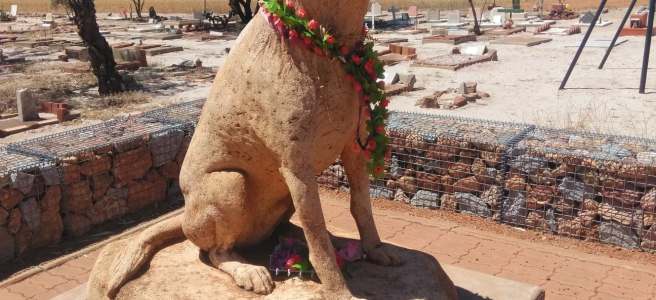
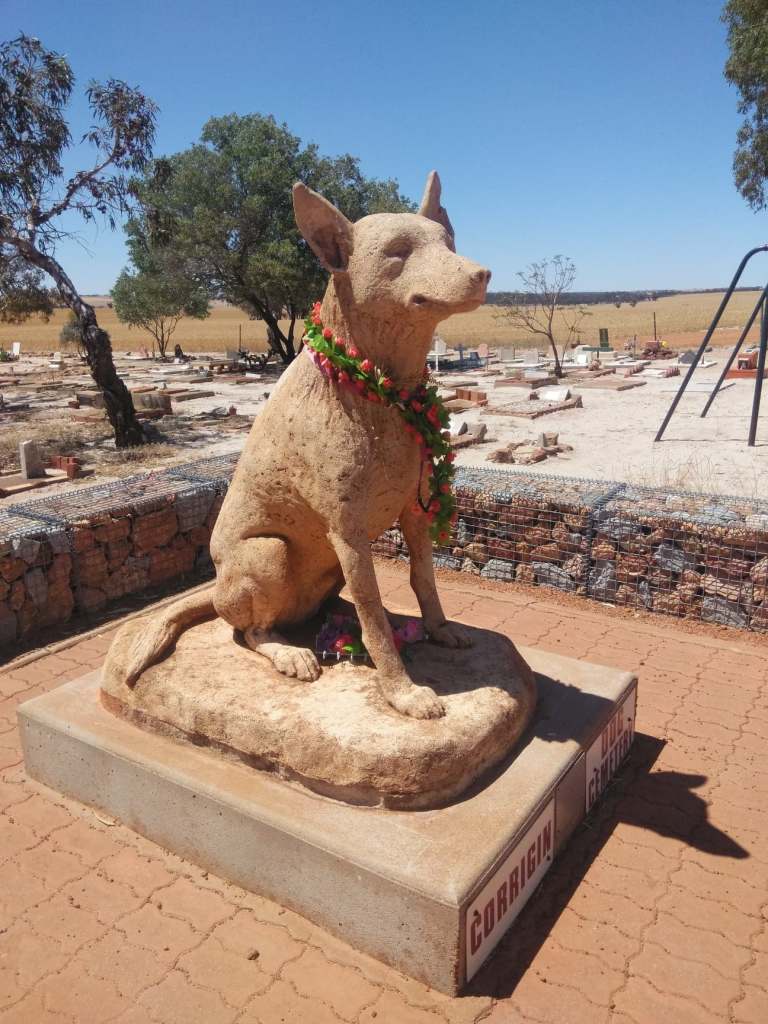
Today I welcome another of the occasional guest blogs written by my sister in Australia. This time she reflects on an unusual find near a country town in Western Australia.
A Tribute to Those That We Love by Kate Doswell
It could be mistaken for the dog that sat on the tucker box, 5 miles from Gundagai, but instead, it was a dog sitting on a small concrete plinth, 5 km from Corrigin. Corrigin is a small wheatbelt town, population 800 or so, 230 km south east of Perth in Western Australia, and the red kelpie dog immortalised in stone was guarding the entrance to the Corrigin dog cemetery.
My visit to Corrigin was nothing to do with dogs, but I couldn’t resist stopping and having a look around. It was quite large and surprisingly well kept, considering it seemed to be in the middle of nowhere. It was surrounded by the flat dun paddocks and the dry stubble of harvested crops, and only a blur on the skyline to suggest the presence of a town.

The ground around the graves was dry and sandy, with hardly any living green, but all the graves were well tended and each was utterly distinct. The owners of these beloved dogs had used imagination and care in designing the graves, and it gave some sense of the stories that lay behind their pets’ lives with the family, and there was no doubt they were family members and friends.
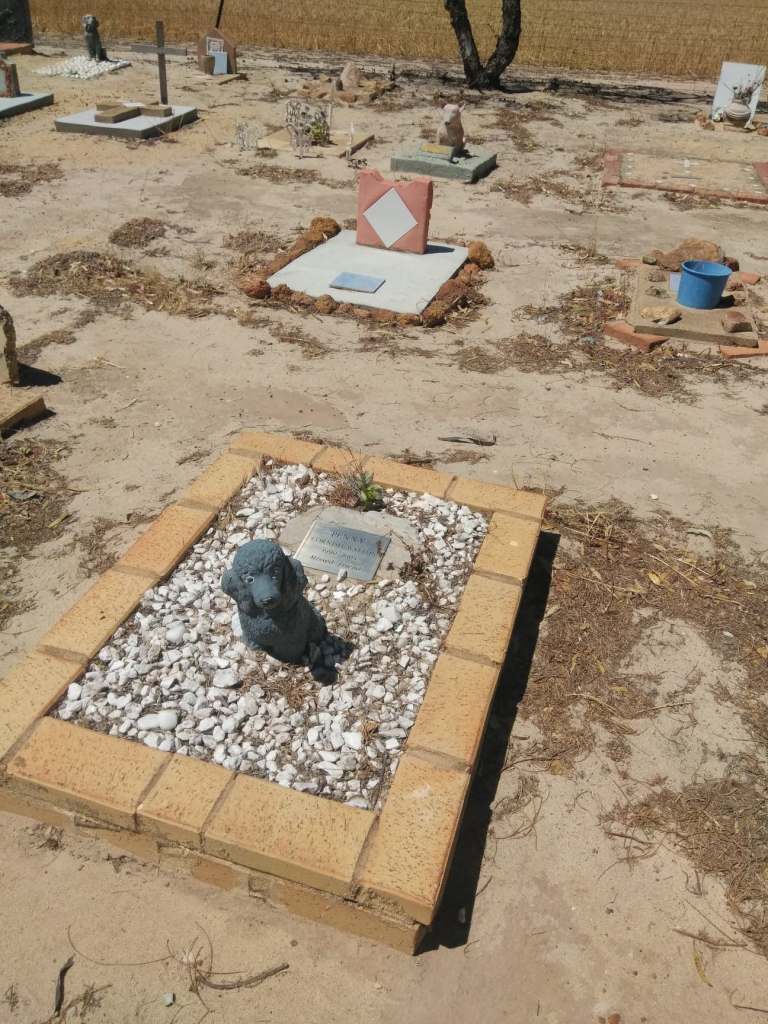
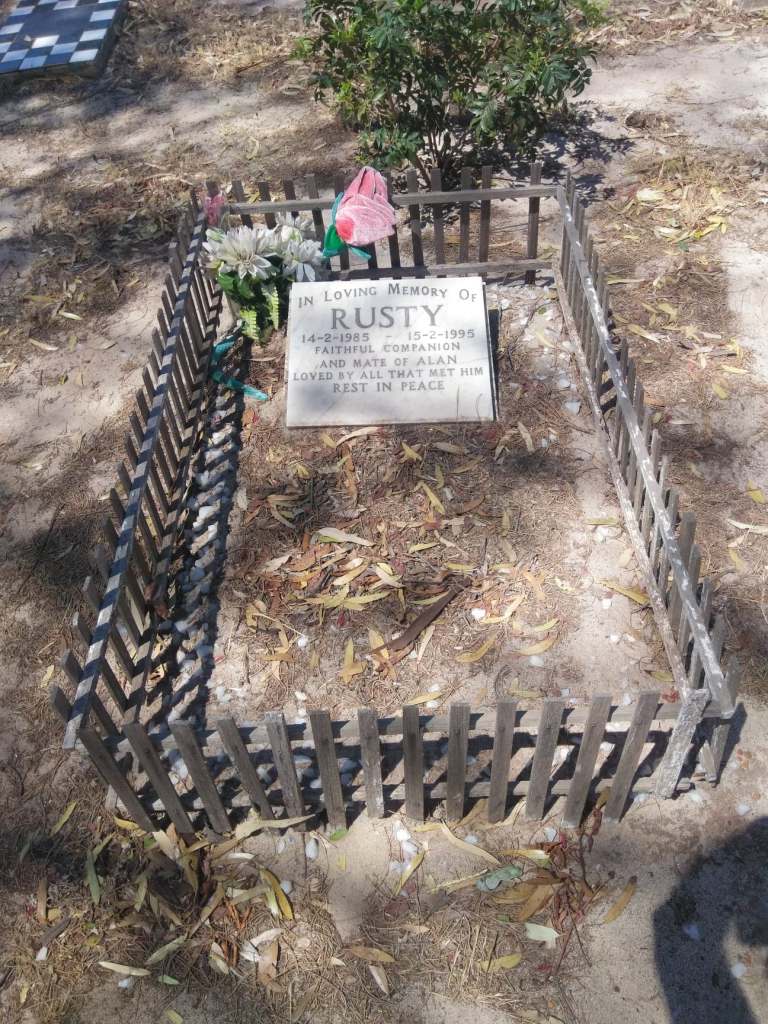
A black poodle statue with surprised eyes sat on a bed of stones, and the plaque told me she had lived for 14 years. Poor Rusty had died the day after his 10th birthday, and his grave was a simple oblong, surrounded by the railings that I had often seen around human graves for those of a higher standing in the community.
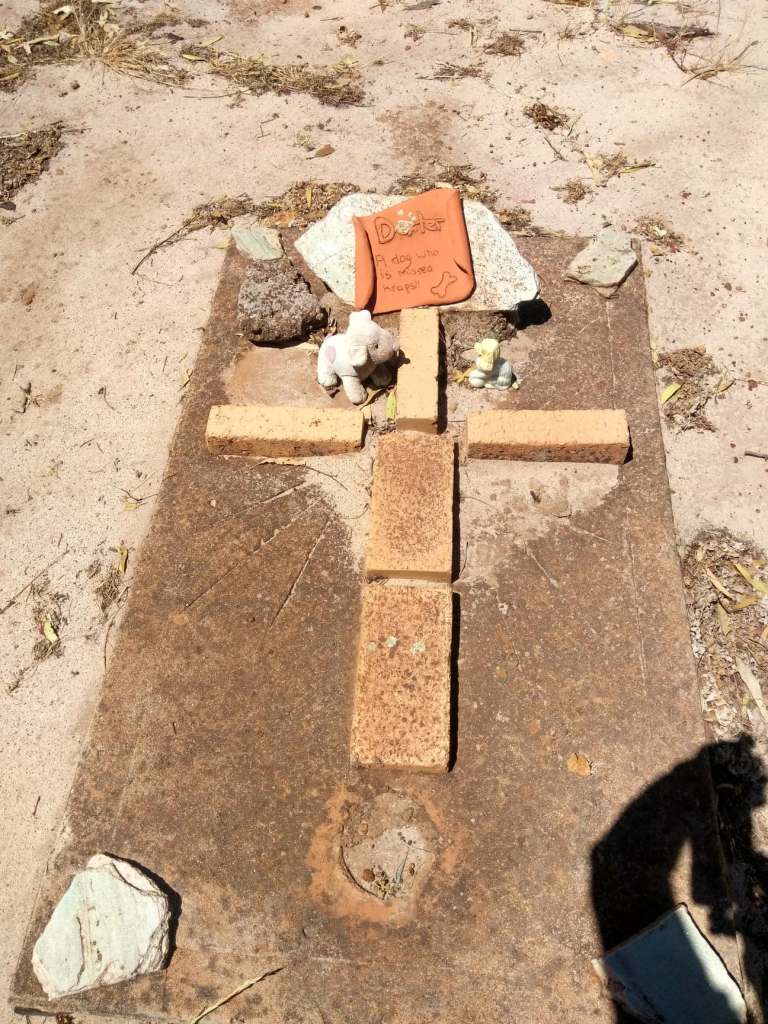
The one that touched me most was that of Dexter, who had a cross formed from bricks laid on a simple slab, with a clay scroll into which a child had carved “Dexter – A dog who is missed Heaps”. It was sad to see a little stuffed puppy sitting on the grave as well, and I wondered if this had been Dexter’s favourite toy.
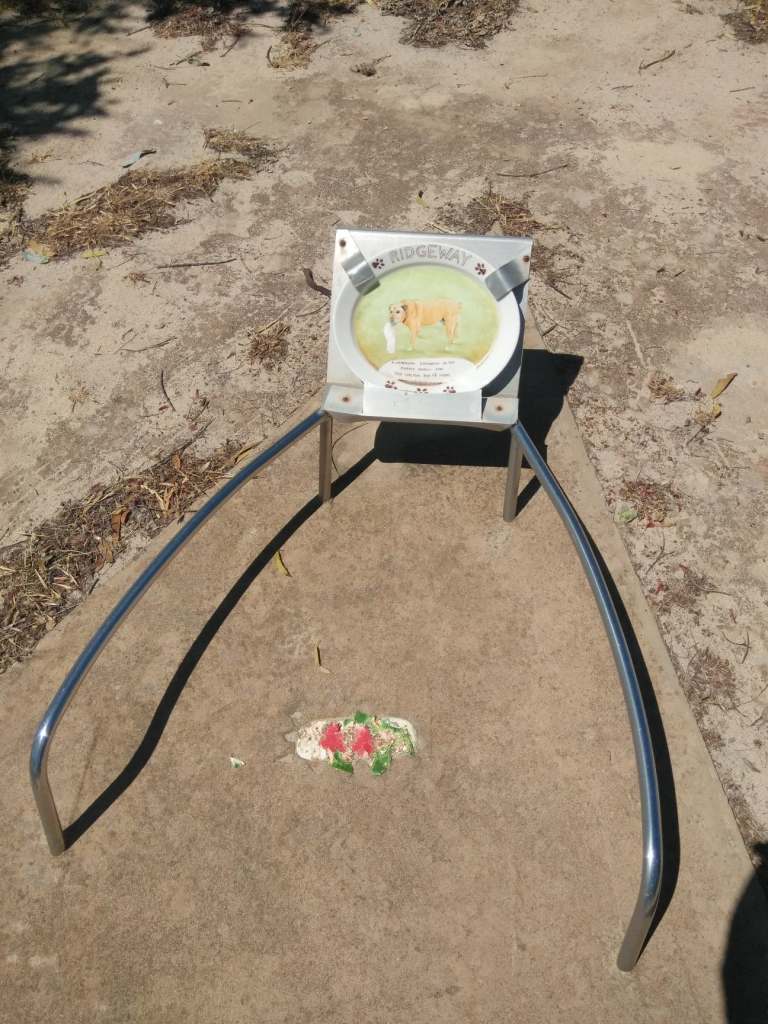
One dog’s family had improvised with a brass fire screen with a scene of Pointers out hunting. There was no doubt that the image on the next grave was of the dog itself, a hand painted china plate with a picture of the dog and words telling of the wonderful companionship he had given for 15 years.
There was even a multi-story grave that housed 3 successive dogs. Some people cannot face the idea of having another dog when the one they have loved for years dies, but I think most people recognise that each dog is loved for his or her own original personality. A point for writers – one of my teachers firmly instructed me that the animals in my stories (usually – well OK – always, about dogs or horses) should be referred to as it, rather than he or she. I have never been able to comply, as I know they are living, breathing personalities who deserve to be recognised as such. Maybe there would be less cruelty if we could all see them in that way, rather than as objects or commodities.

Looking around this cemetery, there can be no doubt that many people see dogs as valuable and much loved members of our families; companions, helpers, protectors and comforters. This cemetery started as one man burying his dog in the 1970s, then others from Corrigin joined him in laying their dogs to rest. Over the years it has attracted the interest of people from far afield who want a permanent memorial to their companion. So it isn’t just the people of Corrigin who feel so strongly about their animals, though this IS the town that set the record for the most number of “Dogs in Utes” – a parade of 1,527 utes ( Aussie abbreviation for utility, any vehicle with an open cargo area at the rear, which would be called a pickup truck in other countries ) each with a barking, tail wagging dog in the back.
We all have our own ways of remembering those that we love. Personally, I have never felt the need to have something tangible to remind me of a loved one – I have lost 3 dogs, and each have been cremated. I have never wanted an urn with their ashes in, though I understand and respect those that do. With my last dog, a close friend came with me to the veterinary surgery for that final visit, as she had looked after my dog many times when I worked away and loved her as much as I did. When they asked me if I wanted to keep the ashes, I shook my head, but as I did I noticed the look of dismay on her face. “Would you like them?” I asked her and she said yes. I was happy for her to have them, I could think of no better person to keep them.
I have recently lost my Mother. She was 94 yrs old and she had lived close by for many years, so it was sad to have to say goodbye. This Sunday her ashes will be placed in the memorial garden at our church, next to my Father’s ashes. There are no plaques, simply a book inside the church with the names of all those who are in the garden. When I think of my father, I don’t think of the garden, I think of the furniture he built, the advice he gave me, the funny things he said. Likewise with my mother, it is and will continue to be, the memories of all the times we had together, the laughs we shared, and the problems we talked over. It doesn’t matter whether we have a grave to visit, a plaque, or nothing solid to see. The important thing is that we remember our loved ones, human or animal. I wonder if our animals remember us after we’ve gone?

A Covid free blog – almost.
When we are watching Mastermind or University Challenge, one question I can always answer is What is the name, meaning treeless, of the large / vast plain in Au… NULLABOR I yell.
As part of my pandemic escapist reading I have been dipping into Bill Bryson’s book ‘Down Under’ published in 2000. Coincidentally up popped Australian blogger Rowena’s ‘Beyond The Flow’ A-Z challenge ‘N’…
https://beyondtheflow.wordpress.com/2020/04/17/n-australias-nullarbor-plain-a-z-challenge/
I loved reading about the Nullarbor Plain as I have crossed it! Once. Time and distance have left a romantic feel to the experience which probably did not exist at the time.
When I was browsing on the internet for Nullabor nuggets I came across this
Latin nullus ‘no, none’ + arbor ‘tree’
I never studied Latin, but I like picking up Latin origins and reading that line the Null arbor origins are obvious, but I had always assumed it was an Aboriginal word. It sounds like a name they would have been using for thousands of years before Latin was even invented.
‘The Nullarbor Plain is the world’s largest single exposure of limestone bedrock, and occupies an area of about 200,000 square kilometres, stretching about 1,100 kilometres from east to west across the border between South Australia and Western Australia.’
Our trip in the early seventies was from Perth to South Australia and my Aussie friend’s uncle’s orchard; then Melbourne, Sydney and eventually Tasmania. As I ended up back in England the following year ( that’s another story ) it remains my most adventurous trip; at the time there was a three hundred mile section of the highway that was still only gravel.
Back in 1964 when we were new migrants we met another new family (of the whingeing Pom variety) who said if they didn’t like Perth they would drive over to Sydney. When an Aussie mentioned it was rather a long way they said they would take some sandwiches! I often wonder if they made it.
It is a long way. 2,444 miles – 46 hours 34 minutes in moderate traffic if you are planning to drive today.
https://www.bing.com/maps?q=perth+to+sydney+drive&form
One of my impressions was that we drove through a vast wheat belt, then the vegetation got smaller and sparser until it barely existed. On the other side the scrub gradually grew again and we drove through an identical wheatbelt. We slept on the beach at Eucla, we certainly never stayed at any accommodation. My friend was of tough farming stock, but the family friend we hitched a lift and shared driving with was another Pommie and I’m sure he and I had no idea what we were letting ourselves in for, though we knew the basics; take plenty of water and NEVER wander away from your vehicle. I had never been away from home for more than a week, my parents also had no idea of the journey. Were they worried, I’m not sure. In those pre internet days they would have had no idea if we had arrived safely until they got a picture post card. Absolutely nothing went wrong, though it was a boring drive and so easy to drift off to sleep at the wheel on that endless straight road. But a trip well worth taking to understand the vastness and aridity of a continent where most people cluster round the coast. Here I have to confess that it was so boring that nearing the end of our trip, after meeting up with friends who had flown over, loving Tasmania because it was so green and lush, just like England, I went into a bank and was pleasantly surprised to see a pay cheque had gone in to my meagre account. I booked a flight from Sydney back to Perth. A three hour flight that landed in Perth at the same time we had left Sydney. Sitting next to me was an unescorted child who kept saying ‘Are we nearly there yet’ so the flight felt longer than three hours, but not as long as the drive across the Nullabor.
https://www.australia.com/en/trips-and-itineraries/perth-and-surrounds/crossing-the-nullarbor.html
My children claim I was always talking about ‘when I crossed the Nullarbor Plain’ and it wasn’t till we were all chatting with an Aussie visitor about the trip that my then teenagers revealed they had always assumed I had driven across the Nullabor Plain by myself! No way…
Bill Bryson’s book describes the train journey across the Nullabor, a trip I would love to take, in a comfy sleeper, not the economy sitting all the way. He got to ride for a while in the driver’s cab and describes seeing a railway line that stretched dead straight for hundreds of miles.
Perhaps most intriguing about this journey is to realise how isolated Western Australia is. Holidays in Bali are nearer and cheaper for Perth people than going to the Eastern States. It could be another country especially when there is a pandemic on!
Last updated: 22 April 2020 at 6.07am
Arrivals to Western Australia after 11:59pm on Sunday 5 April 2020
Strict border controls are in place to limit the spread of COVID-19 in WA.
Arrivals to Western Australia
You will no longer be able to enter Western Australia after 11.59pm, on Sunday, 5 April 2020 unless an exemption has been granted.
Have you crossed the Nullabor Plain?
My novel Quarter Acre Block was inspired by our family’s emigration to Western Australia.
 Times and Tides of a Beachwriter