

TAKE A WALK TWIXT RIVER AND SEA

FROM TUCKTON TO HENGISTBURY HEAD

RIVER STOUR, DORSET

CHRISTCHURCH HARBOUR


HENGISTBURY HEAD – IRON AGE FORT

THE SOLENT


GORSE


TAKE A WALK TWIXT RIVER AND SEA
FROM TUCKTON TO HENGISTBURY HEAD
RIVER STOUR, DORSET
CHRISTCHURCH HARBOUR
HENGISTBURY HEAD – IRON AGE FORT
THE SOLENT
GORSE

It turns out to be true. Week Three of chemotherapy you feel back to normal. Perhaps even halfway through Week Two; watering the garden and a little light dead heading turned into a pile of branches in the middle of the lawn grass as I attacked the buddleia ( common or garden variety, well known for colonising railway banks and derelict buildings ) that was taking over the garden.

Even going over to the letter box seemed an adventure, then a walk round the block to confirm I was back in the land of the living…walk to a friend’s house and by Wednesday it was time for a proper walk across the River Stour to meet some writer friends for coffee then back by ferry… 6Km circular walk according to my phone. The weather has been hot and sunny so come along…


VISIT THE PICTURE GALLERY FOR MORE LOCAL PICTURES

When I woke up there was a strange man in blue standing by my bed, then I remembered I was not at home. He spoke.
‘The operation went well.’
I felt a sensation of total relaxation, the sort of calm people spend hours doing yoga or meditation to achieve. I looked at the clock, it was 5.45pm. I had not woken up during the operation and it was all over, a quick feel revealed that the right side had been operated on. Now I need do nothing except lie there and relax.

It’s only now that my writer’s mind brings forth alternative scenarios, what might be said to you when you wake up…
‘I’m very sorry, the operation went wrong…’
‘You’re in hospital, you had a massive stroke when you were in the operating theatre six months ago…’
‘Do you understand, you have dreamt the past thirty years, you are not a writer, you are in a high security mental institution…’

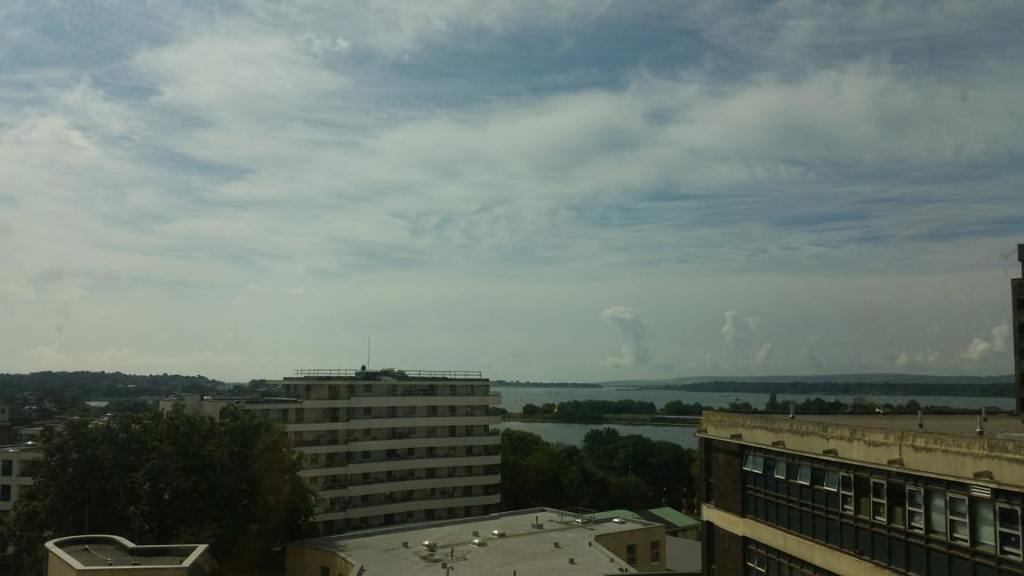
Fortunately it was still Friday evening and I was soon down/along/up? on the surgical ward. The four bed bay was devoid of other patients, I was not by the dusty window, but sitting up had a view of the harbour. Dinner was not an option. I had been amused when my friend told me she managed to eat quarter of an egg sandwich over three hours after her operation and the walk to the bathroom made her sick. A cup of tea and a nibble of ham sandwich was welcome. Getting out of bed is encouraged, a relief not to be involved with bed pans, but the walk to the bathroom did make me sick.
In the lead up to the hospital visit there had been much discussion on what I would take in with me. There were numerous leaflets written pre and post Covid and pre and post our three local hospitals suddenly deciding to call themselves University Hospitals Dorset NHS Foundation Trust and changing the phone numbers.
The main message seemed to be Don’t bring too much stuff, Don’t bring valuables. I was certainly not going to bring my brand new iPhone, which according to my younger son who looked it up after my older son bought it for me is very expensive! And I had managed to lose WiFi on it. I had brought my old phone which still had its sim card, but I couldn’t log in to NHS Wi-Fi in the pre op waiting room, because you had to confirm when they sent you an email and I didn’t get the email as I didn’t have any Wi-Fi… Nor was I going to bring any bank cards to log in to the bedside television, wifi etc which I was sure I would not be able to work; the leaflet said just bring small change. My Kindle would be enough entertainment, though it would be a shame to miss Gardener’s World...

I couldn’t imagine they expected every patient, however old or unconscious, to leap out of bed and rummage around in the locker for their smart phone to contact their family as soon as they arrived on the ward. Patient notes have next of kin and a phone number and you only want two messages sent to someone responsible ‘still alive after operation’ and ‘come and fetch me.’
It turned out they did try and ring the hospital but there was confusion over phone numbers and they weren’t to know how late I had gone down to the operating theatre…

The nurse did ring my daughter so I sat back and relaxed for an evening of blood pressure and pain tablets, each time asked my date of birth, presumably to check I was still alive or still the same patient. One more patient arrived in the opposite bed. The nurse said she would be back at 11.30pm with the anti blood clotting injection so I didn’t bother turning off the light or tying to sleep. At 12.30am she still had not arrived and I wondered at what time my blood would start clotting.
At 1am I had the injection and presumably went to sleep because a cheery voice said ‘Good Morning’ and checked my blood pressure. I was looking forward to breakfast, but it looked very dark for a summer morning. When I asked the time the nurse said quarter to four! After a wander to the bathroom I asked the nursing assistant what time breakfast was – 8am. Then asked if I would like a cup of tea and a biscuit. YES
Custard creams, yuk, bourbon, no.. or digestives. Yes please. When the mug of tea arrived there was a packet of three Crawfords digestives, I refrained from saying ‘Haven’t you got Macvities? and it turned out to be the best tea and biscuits ever.
Breakfast was a nice bowl of porridge and toast, all I could imagine facing when I ordered it the evening before. The elderly lady opposite was bed bound and mouthed something, I realised she was whispering I’ve had half my bowel removed. I got out of bed and searched for her lost pen unsuccessfully, then lent her mine so she could fill in her menu. Also I had a good look through the dusty window at the views and took photos, my old phone had come in handy for something.

A doctor came round and said I could go home after lunch, so I went and had a wash, dispensed with the hospital gown and put on my new nightie. Any moving around involved lugging the wound drain bottle and the long length of tube I would be attached to for the next week or so.
I had just got back into bed and a different doctor came by and said I could go home right now. The nurse asked if I wanted to ring home. I tried to explain the phone situation and asked if she could ring. A sensible request as she knew the system and I didn’t. Getting from a ward to the ground floor and then endless corridors to the multi storey car park had seemed a logistical nightmare, but my daughter was told to park in one of the few bays near the main entrance and ring the moment she arrived and the nurse would wheel me down. A better exit than my arrival in my son’s builder’s van. On the way from the ward we passed the machine for purchasing access to the television which had remained perched up by the ceiling above my bed. I hadn’t even needed the small change as in Covid times no one comes round with trolleys and newspapers etc

My departure was exactly 24 hours since we had arrived thirty minutes early the day before and about 21 hours since I had gone to the theatre. Sunday would bring the district nurse on the first of the daily visits...

(2) Photogog | Facebookhttps://www.facebook.com/photogog
Today’s window opens on a digital Christmas Card with a visit to Cyberspouse’s Facebook page. He wasn’t interested in Facebook, but he did create a website and a Facebook page for his photography and digital images. The last picture he put on his page was a Christmas card. There are lots of other interesting pictures worth looking at on his page. The Christmas picture was taken at Kingston Lacy, Dorset, a lovely National Trust historic house with beautiful grounds worth exploring at all times of the year.


I walked down the hill to Tuckton Village and passed boarded up shops; as I rounded the bend I saw the guards at the bridge over the River Stour turning people away; it was true, we still had twelve hours before we left the European Union, but Remainer movement was restricted more each day. There was still a chance; I slipped past the ruins of Tuckton Tea Gardens and joined a straggle of people wandering aimlessly, their eyes darting to the river. One man suddenly dashed to an empty boat, struggling to untie the mooring, a shot rang out and the rest of us dived for cover. Round the bend we kept to the trees, it was quiet, we all had the same goal.
‘Fifteen pounds each, this is my last trip!’ whispered the Wick ferryman.
I was the last to squeeze on board, we lay low in the water. I proffered two notes, my last cash now the dispensers were gone. I doubted I would need them; no annual literary dinner now all the Christchurch hotels were commandeered; our writers’ group was unlikely to last another four weeks. As we landed across the river I scrambled to get off, whilst others struggled to get on. They looked desperate, carrying as many belongings as possible, waving wads of money; the only words on their lips ‘Isle of Wight’. I watched as the little boat set off down river, things were worse than I thought. My fears were confirmed when I heard the bell of the Priory tolling. Many people were still around, madness in the air; we surged towards the high street and saw a spiral of smoke rising up.

Brexit Extreme had grown in power, disconcerting the respectable conservative Brexiteers, confounding the confused abstainers and putting terror in the hearts of Remainers. Hiding amongst the crowds, I made my way towards a bonfire in the centre of the road. The rabble were rushing out of the Regent Centre tossing paintings on the fire. Outside the tourist office a guard urged people to destroy the seditious pamphlets inside. As I edged along the pavement towards the library, guards and civilians came out carrying piles of books, throwing them gleefully on to the blaze. Anything that smacked of elitism or liberalism was being destroyed. I looked up, from an open window fluttered white sheets of paper, the precious work of our writers’ group. I tried to catch them.
A guard spoke gruffly to me ‘You don’t belong to the writers’ group do you?’
‘No, No of course not’ I stuttered, moving on.
Someone fleeing from the library, shielding their eyes from the glare, shouted to me.
‘Aren’t you from the writers’ group?’
‘No, you must be thinking of someone else.’
I tucked my blue scarf with its gold stars deeper under my collar and fled into Saxon Square away from the heat; coming towards me were two members of my writing group; I put my collar up, turned and slipped back into the crowds. I heard a cheer go up, someone was coming out of the Regent Centre carrying aloft the Wooden Quill Poetry Award; he tossed it into the flames. I patted my pocket, inside was the memory stick with all my writing on; was I too late to get to the Isle of Wight?

I started collecting picture post cards when I was eight and still buy them on holiday to send to the oldest and youngest in the family; people like getting mail through their letter box, including Pete who blogs as beetleypete. When he asked if people still sent postcards bloggers started sending them, as you can see on his blog post.
https://beetleypete.com/2019/08/31/postcards-from-blogging-friends/
‘If anyone else would like to post one to me, you can read my address easily, and your card will be featured in Part Two.
Thanks again to all of you who took the time and trouble to send me a card.’
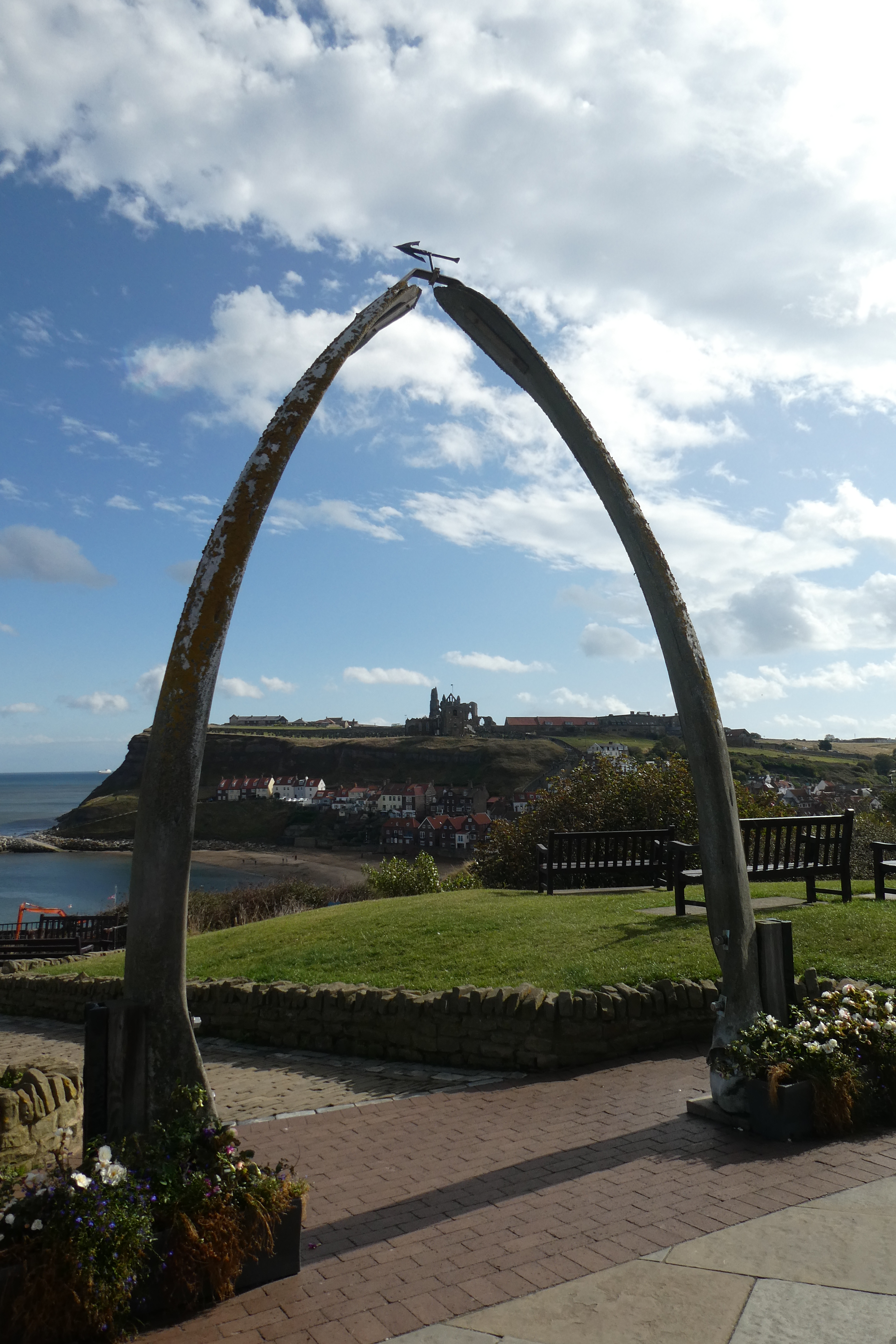
When we were away in Whitby I bought an extra card and as I sat down to write ( and here’s my confession – I don’t get around to writing postcards till about two weeks after returning ) and saw the piece of paper on which I had written his address lying on the table, it gave me an idea for a dark story. The names and places have been changed to protect the innocent! Thanks to Pete for the idea.
Detective Inspector Greaves stepped through the front door, he needed to go no further to see the body. The scene was bloodless, but any impression that the woman had died of natural causes was cast aside when another step revealed a large syringe stuck in the back of her neck. Why would the killer leave the evidence when it could have been the perfect murder?
‘Where’s the husband?’ Greaves asked the uniformed officer.
‘In the kitchen, doing the washing up Sir.’
‘What! Crime scene, evidence… did you stop and think?’
‘No Sir, he said his wife liked to have everything clean and tidy if they were having visitors.’
Further discussion was pointless, he sent the officer outside to keep a little band of neighbours at bay and stepped carefully round the body to make his way to the kitchen, where a middle aged man was vigorously polishing a glass.
‘She always liked to leave the house tidy when we went out, in case anything happened to us while we were out and the police had to break in and…’
‘Mr… Mr. Stanton isn’t it? I need to ask you a few questions… When you came home was the front door locked?’
‘Yes, everything looked normal until I unlocked the door.’
‘And where were you today?’
‘With the chaps, four of us, been away on a three day golf break, they dropped me off first, drove off before I got inside.’
‘So they can confirm that. Did you call your wife while you were away?’
‘Yesterday morning.’
‘Was that the last time you spoke or had any contact, no emails, whatsapp?’
‘Yes, she was fine, enjoying the peace, no sign… who… it doesn’t make sense…’
For the first time the man showed emotion, but shock could do strange things. When Greaves had sat the man in the police car with two officers he returned alone to gain an impression of the home and the lives of these two people. An ordinary house in a quiet road that had never drawn attention to itself before; nothing could be assumed, but on the face of it this was a bizarre senseless murder.
In the dining room he spotted a piece of paper on the polished table; an address, no phone number or email.
Geoff Jones, Cowslip Lane, Tweedley, Norfolk, NR19 2D3.
Greaves checked the address book sitting neatly by the house phone and found no entry for a Geoff Jones or anyone in Norfolk.

Back at the police station Mr. Stanton was safely installed in an interview room, alibis checked, background checked. Inspector Greaves started with the only piece of evidence.
‘Who is Geoff Jones?’
‘Never heard of him.’
‘Has your wife got friends or relatives in Norfolk?’
‘No, she’s never even been to Norfolk.’
‘Mrs. Stanton, was she still working or retired?’
‘Retired, or she reckoned she was still working, did stuff on the computer, goodness knows what, I don’t go on the internet, but she was happy dabbling with her writing, left me in peace to watch what I liked on television.’
‘As routine procedure we will seize… er take your wife’s computer, I assume you have no objections?’
‘Well she won’t be needing it will she… oh God, I can’t believe this is happening…’
At that moment a female officer knocked on the door with a cup of tea, though they were supposed to have equality Greaves was glad to leave her to deal sympathetically with the overwrought husband. He had work to do.
Back in the office he handed out tasks to his small team. ‘Check this address and if it’s genuine get onto Norfolk Police and ask them to send someone round.’

In Cowslip Lane Geoff Jones was enjoying the evening news; the doorbell took him and the dog by surprise. On the doorstep stood a young man, trying to edge inside out of the torrential rain. He showed a warrant card.
‘Mr. Geoff Jones?’
‘Yes, that’s me, oh god, has something happened to my wife, no they send uniform for that don’t they?’
‘No, just a routine enquiry. Do you know a Mrs. Rita Stanton of Mulberry Close, Sandbourne, Dorset?’
‘Dorset, I don’t know anyone in Dorset.’
‘Are you, er do you live alone?’
‘No, my wife’s away for a few days at her sister’s.’
‘Might she know Mrs. Stanton or anyone in Dorset?’
‘NO, look what is this about?’
Andy’s first day as a detective constable wasn’t going well so far.
‘We’re making enquiries about a murder I’m afraid. Have you been outside the village in the last two days, work, visiting?’
Andy was gratified to see Geoff Jones look distinctly nervous.
‘No, I’m retired, well a writer actually, blogger; all I’ve been up to is taking Rufus on his two hour walks and doing my blogs.’
‘Can anyone confirm that?’
‘I haven’t seen a soul, no one else has been out in this dreadful wet weather, but what on earth has any of this to do with me?’
The young detective felt suspicion creeping into his bones, who would take a dog out for two hours in the torrential rain? As he tried to edge further into the hallway and avoid the very large dog, he got a glimpse into the front room. On every shelf and available surface were propped picture postcards.
‘You must have a lot of friends Mr. Jones, a lot of friends that go on holiday?’
The next police visit to Geoff’s house was in the morning. This time Andy was accompanied by a search warrant and an inspector from Dorset Police, who had driven up overnight. Fortuitously they met the postman at the door, with a postcard from Dorset. Jones’ computer was taken away, Jones himself was taken away and all the postcards collected up.
In the interview room Geoff Jones protested his innocence, though he hadn’t actually been arrested. ‘Blogging friends, I wrote a post about picture post cards and followers kept sending them.’
Greaves left him to stew for a while and went back to the office to see how enquiries were going and stared at the postcard posted in Sandbourne, Dorset.
Wish you Were Here!
Best Wishes from Rita Stanton ( Scribbletide )
He tried to curb the enthusiasm of the young detective.
‘We may have barged in too quickly, if this poor man is totally innocent we have some explaining to do. The card seems to prove what he told us about his followers. What have you found on the internet?’
‘Jones was telling the truth about the blogging and the post cards, what he didn’t mention was that a while ago he wrote a serialised story about a chap who wanted to commit the perfect murder.’

How to take your family to Jurassic Park without the children being eaten by dinosaurs? Enjoy a holiday on the Jurassic Coast.
‘The Jurassic Coast is a World Heritage Site on the English Channel coast of southern England. It stretches from Exmouth in East Devon to Studland Bay in Dorset, a distance of about 96 miles, and was inscribed on the World Heritage List in mid-December 2001.’
Obviously you won’t see it all on a week’s holiday or a day out, but whether you enjoy beautiful scenery, geology, fossil hunting or relaxing at the seaside, any part of this coast is worth visiting.
Adults don’t like talking to young children about death if they can avoid it, or scaring them with tales of monsters, but most young children love dinosaurs; they know they are long dead and yet they are full of life to the child. They love their plastic dinosaurs as much as their cuddly teddy and adore the fact that they were huge and scary.

For our half term holiday with Team H we stayed in two cottages in a village where the borders of Dorset, Devon and Somerset meet. On any English holiday it will rain, but it will also stop raining at some point so it is always worth setting out. Fossil hunting was the main aim and the beach to head for was Charmouth.
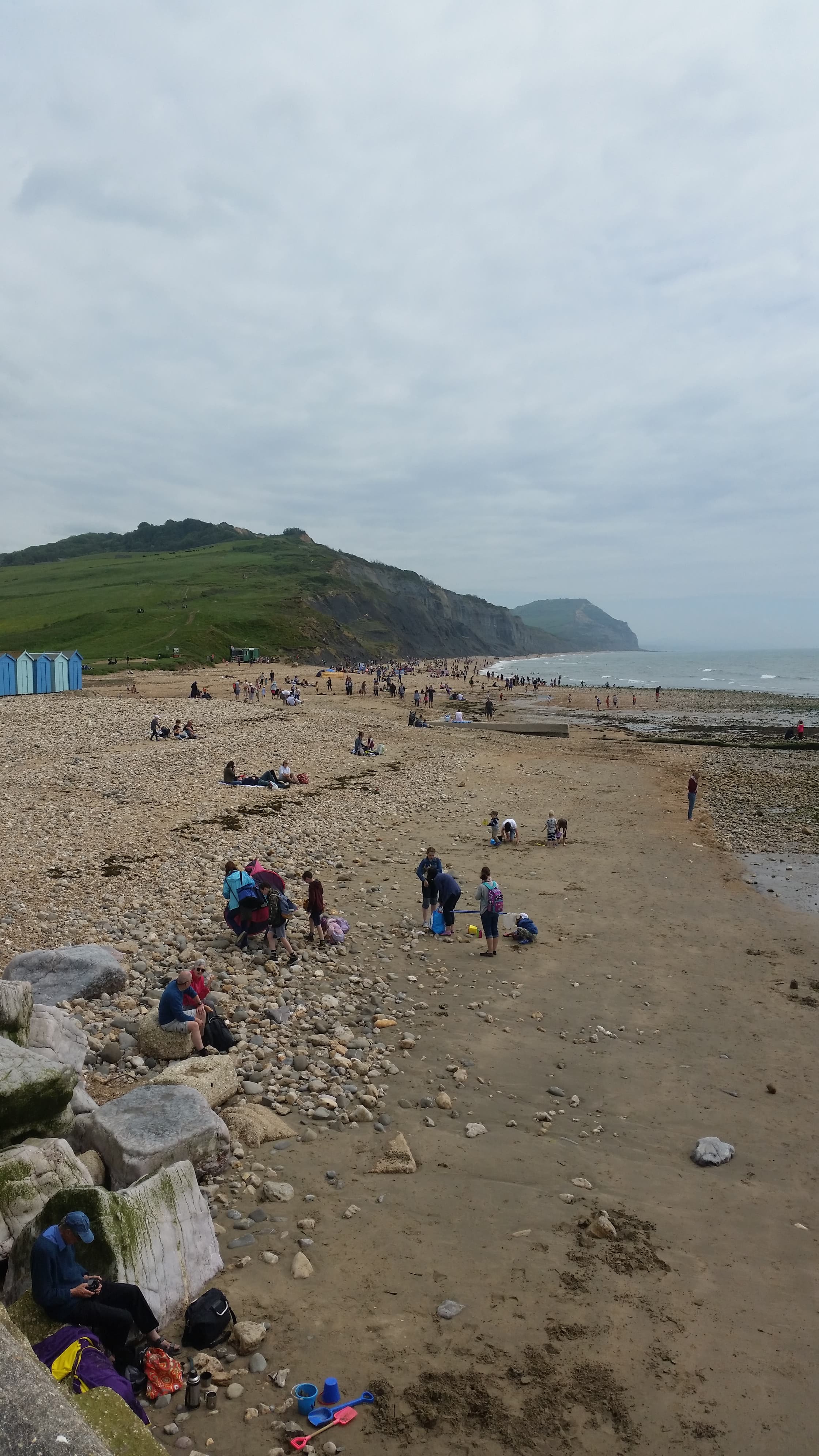
Charmouth, Dorset is one place where everyone is looking down, but not at their phones, they are all looking for fossils. There is a pleasant village with the river Char running gently out to sea; you can step over it at low tide or walk across the little bridge. The row of beach huts is deceptive, walk a little further and this is not a normal seaside beach. Gaze up at black layered cliffs. Don’t go too close, there are regular mud slides and crumbling of the cliff edge. This is why fossil hunting is so popular, new fossils end up on the beach and people are welcome to collect them as they would otherwise be washed out to sea. You can also book a guided walk. At the free Charmouth Heritage Centre you can learn about prehistoric times and volunteers will identify your fossils. The grassy hill is in contrast to the beach and a pleasant walk, but don’t go near the edge. The beach has a lovely heritage centre and a cafe, but the rest is unspoilt coast. When we set off to walk along the beach the first thing we saw was a father and son climbing up the cliff chipping away with their hammers; there is always someone who has not read the boards about dangerous cliff falls!

The second full day of our holiday brought the torrential rain the weatherman had forecast. We went into Seaton, a seaside town with an electric tramway that runs along the estuary of the River Axe to Colyford and the village of Colyton. Fortunately lots had changed since the last time we were there and next to the tram station was the new Seaton Jurassic, an excellent centre to escape the rain. Visitors are escorted in and the children given passports for the time machine. It’s all very interactive and older children can stamp their passports and answer clues. It is also quite dark and mysterious with lots of turns and tunnels, so make sure you don’t lose little ones. The final part takes you outside to gardens. Most importantly there is a good restaurant. We had lunch and by that time it had stopped raining and we went on the tramway. The little ones loved being on the open topped tram, the day remained grey, but it was still a pleasant gentle ride with a lovely little station and playground in Colyton.

https://www.visitsouthdevon.co.uk/things-to-do/seaton-tramway-p141323
The next day was fine and Team H decided to get up very early and catch low tide at Charmouth for more fossil hunting, followed by cooked breakfast at the cafe. We followed them, but not quite so early.
Yes you can find fossils, not necessarily big ones, but if you are sharp eyed you should find some ammonites and children can take anything they find into the heritage centre to show the volunteers, who will tell them how old it is and you can also put your fossils under a microscope.

Are you sure you know where you are? I could say I live in Wessex, but Wessex has not existed for a thousand years. It was an Anglo-Saxon kingdom in the south of Great Britain, from 519 until England was unified by Æthelstan in the early 10th century. But Wessex must exist because Thomas Hardy set his novels there… No, he used it as the name of the county in which his stories are set; corresponding approximately to Dorset, Somerset, Hampshire and Wiltshire.
But Wessex must exist because there is an Earl of Wessex. Don’t worry if you get confused with all the titles the Queen has bestowed on her children and grandchildren, most of us do. In 1999, Queen Elizabeth II’s youngest son, Prince Edward, married Sophie Rhys-Jones. By tradition the monarch’s son receives a title upon marriage. Prince Edward became the first British prince in centuries to be created an earl, rather than a duke. His wife Sophie became The Countess of Wessex.
Many organisations, including the army, that cover the area of Dorset, Somerset, Hampshire and Wiltshire use the name Wessex .
The ITV television series Broadchurch takes place in the Wessex area, primarily the county of Dorset. It features government agencies such as Wessex Police and Wessex Crown Court, and several characters are seen attending South Wessex Secondary School.

I live in Bournemouth which is in Dorset… or is it? Before it was founded in 1810 by Lewis Tregonwell, the area was a deserted heathland occasionally visited by fishermen and smugglers. Historically part of Hampshire, it joined Dorset with the reorganisation of local government in 1974, but it has always seemed to me to have little in common with real rural Dorset. Since 1997 the town has been administered by Bournemouth Borough Council. But wait, more changes are afoot Bournemouth, Christchurch and Poole Council will be the unitary local authority for the district of Bournemouth, Christchurch and Poole that is to come into being on 1 April 2019. The three towns already form the South East Dorset urban connurbation. What will it mean for the locals? Most of us are expecting to pay more in rates and have more services cut. Bournemouth is a new town set between two historic towns with plenty of pirates. Poole has the second largest natural harbour in the world, Sydney, Australia has the largest. Our sea is Pool Bay. Christchurch lies round the corner separated by Hengistbury Head; in Bronze Age Britain this was an important seaport, there was a settlement here in the Iron Age. I wonder how they viewed their identity?
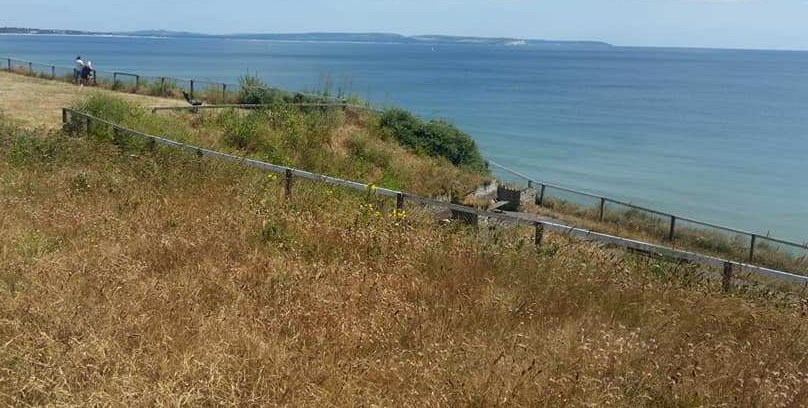
But let’s zoom in. I live in Southbourne, the creation of Doctor Thomas Armetriding Compton, who set up general practice in Bournemouth in 1866 and could see the area’s potential as a health resort. The clifftop land here had been part of Tuckton Farm, purchased by Compton in 1871 and later developed by the Southbourne-on-Sea Freehold Land Company.
Local businesses consider they are in Southbourne-on-Sea, Southbourne Grove, thriving with interesting shops and eateries, has been nicknamed the Sobo Mile.
You can see plenty of my local area at my website.
https://www.ccsidewriter.co.uk/chapter-two-coastal-views/

Now let us zoom out. I have never considered I come from anywhere in particular, having lived in lots of places. I was born in Middlesex, but it ceased to exist as a county in 1965. It stretched to Westminster many centuries ago, but London had finally swallowed it.
Our local borough may be getting bigger, but our horizons will narrow as Britain leaves the European Union, dark days for those of us who are Remainers. We shall all still be members of The Commonwealth and the English speaking world and The World, The Solar System and the Universe… as we used to write in our exercise books at school…
Do you know where you are, do you care where you are?

If you enjoy anything that is free you have probably been to a free lunchtime concert. I have been to them in all sorts of places; theatres, town halls, cathedrals. Cathedrals are particularly good for accidentally enjoying free entertainment if you come upon a rehearsal. Even wrong notes sound great when pounded out on the pipe organ in a beautiful cathedral, the organist hidden from view up in the organ loft. Many cathedrals invite you to ‘make a donation’ or just charge you to go in; these historic buildings are expensive to care for. Exactly how this happens varies.

At Lincoln Cathedral you can walk in, stand at the back and take in the view. To go any further you have to pay. One day while visiting relatives in Lincoln we were walking back to their house and decided to pop in to the cathedral. We were greeted with singing that sounded familiar from the past. The Swingle Singers, are they still alive? We saw them at the London Palladium in Something BC ( Before Children ). Yes indeed and they were rehearsing for a concert that evening, we stood at the back and listened. Another time at Lincoln Cathedral we popped in and came across Mark Elder conducting Tchaikovsky with the Halle Orchestra, in rehearsal for that evening’s concert. The relatives wondered why we took so long to get back to their house.

Last week was Christchurch’s Music Festival. The Priory is the parish church with the longest nave in England, larger than many cathedrals and is over nine hundred years old; a beautiful place for music of all sorts and there are concerts all year round. I managed to get to three very different lunchtime concerts, the Bournemouth University Big Band, a lone tenor and two organists; described as Four hands, Four Feet and Four Thousand Pipes. The Priory was packed and of course they do like you to put some money in the plate on the way out. There were ticketed evening concerts as well.

The Priory has regular organ lunchtime concerts all year round and it was these that inspired my short story ‘Saints and Sinners’. What would happen if the resident organist was jealous of the guest organist, if the priest in charge was so protective of his historic church and its music that he would do anything to protect its reputation? Hambourne is a delightful riverside town and Hamboune Abbey is its treasure. Father Jonathon’s love of his church and music left no room for marriage or a partner of any sort.

In the free concerts I have been to no disasters have occurred beyond someone’s phone going off during the quiet movement, or rather strange people wandering around looking lost. But at Hambourne Abbey something very dark happens, in ancient churches, who knows what happened in the past? What restless spirits inhabit the organ loft?

At weekly writers’ group I found myself writing more stories about Hambourne and the people that live there; separate stories, but with a link. I didn’t want them to become a novella instead I included them as The Hambourne Chronicles in my second collection of short stories. I was going to call the collection Saints and Sinners until I discovered how many other books on Amazon had the same title, so it became Hallows and Heretics. There are five chronicles in amongst twenty four tales that take you through the year.

Where would you like to go for a day out? A popular choice in England is to visit a National Trust House. The National Trust is a charity which is over one hundred and twenty years old and owns and cares for 59 villages, 775 miles of coastline and vast tracts of hills and fields, all free for everyone to roam. Whatever your political leanings and thoughts on charities, I’m sure many would agree that these lands are safer with the National Trust than with governments, big businesses or greedy billionaires.

Despite all their other conservation work, Big Houses are what people most often associate with the National Trust, donated by landowners come upon hard times, or just moving with the times. Whatever their ancestors would have thought, the common people are now free to roam their estates. Not actually free; you have to pay to go in A Big House, unless you are one of the four million members; a few visits each year will make your membership worthwhile.
https://www.nationaltrust.org.uk/lists/fascinating-facts-and-figures

One thing is never guaranteed on your day out, the weather, but that would never deter the average member.
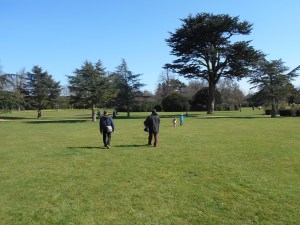
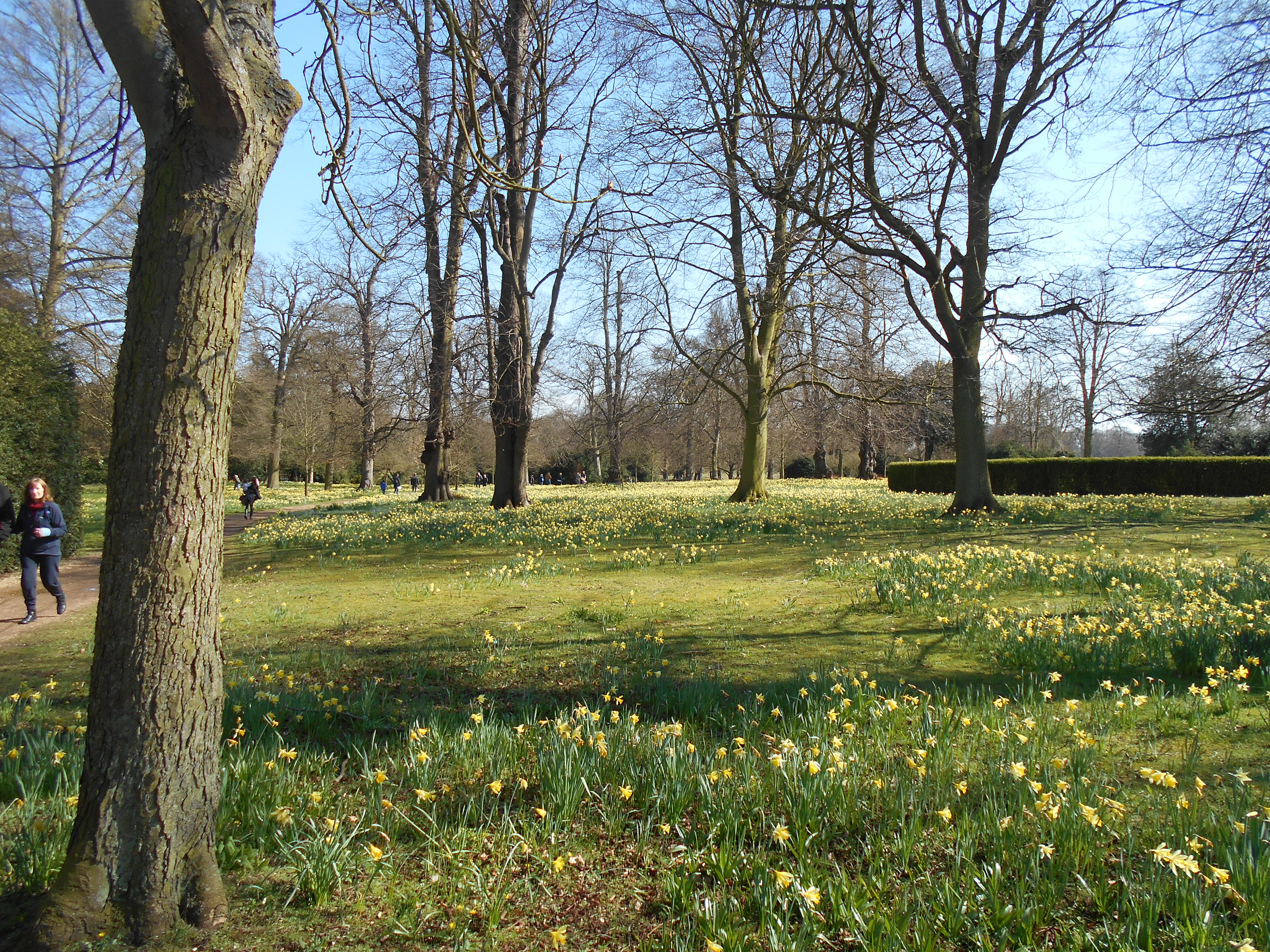
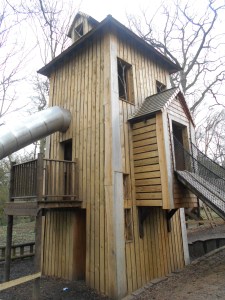
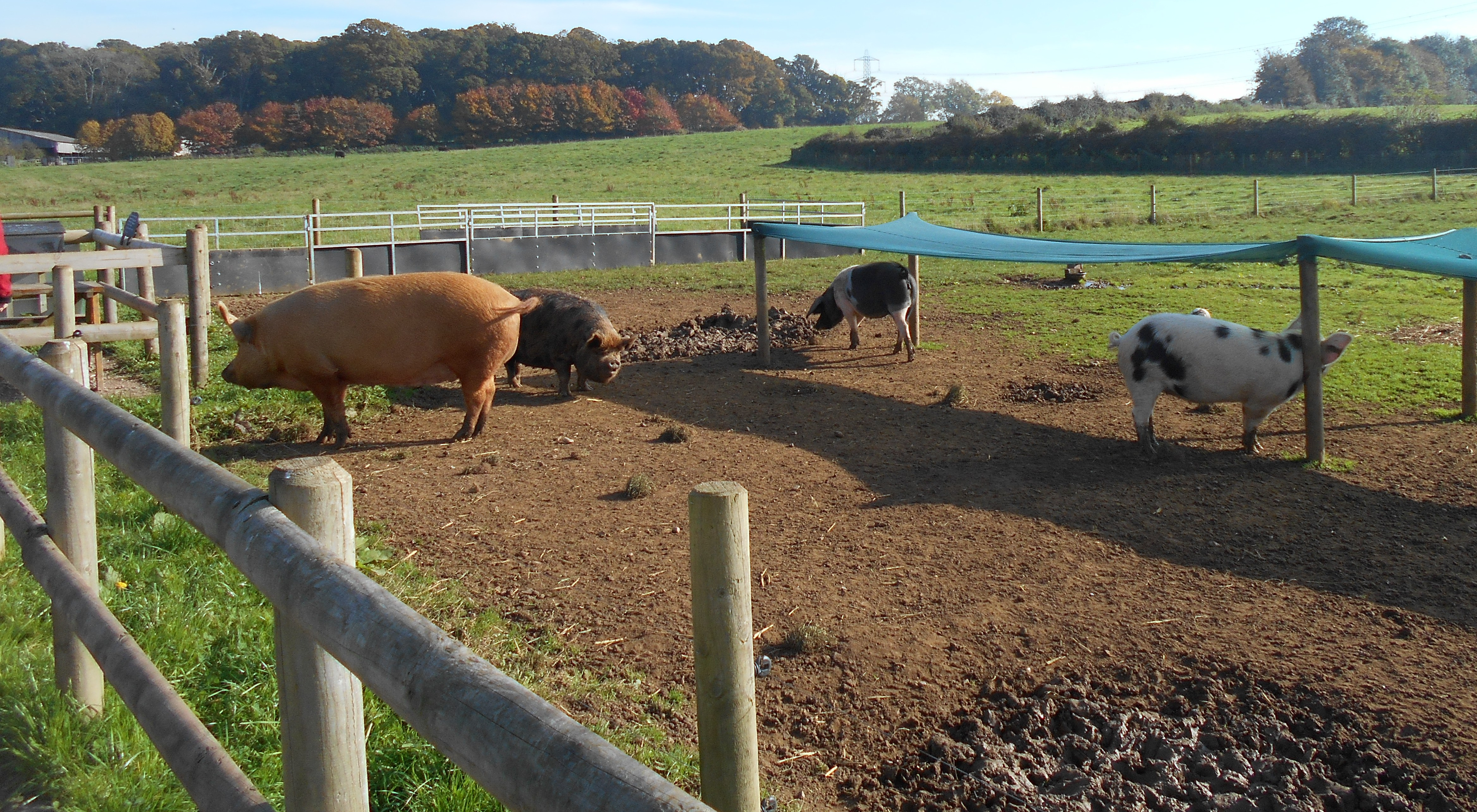
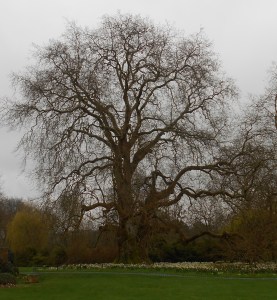
Once you have passed through the portal, you will enter a traffic free zone, except for the occasional buggy for those not up to striding round the whole estate. Your children can run around on vast lawns, visit the adventure playground, do school holiday activities or say hello to some pigs. Gardeners can admire walled vegetable gardens and beautiful borders, nature lovers can enjoy very old trees.


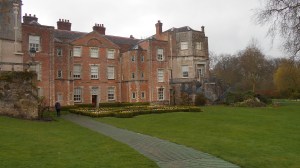
If it pours with rain go and look around the house, read about the owners, peep at family photos and ask volunteers questions. There will probably be an interesting exhibition to look at. There will certainly be sweeping staircases to ascend and descend and narrow stairs to climb as you visit downstairs where the servants worked, or upstairs where they lived.
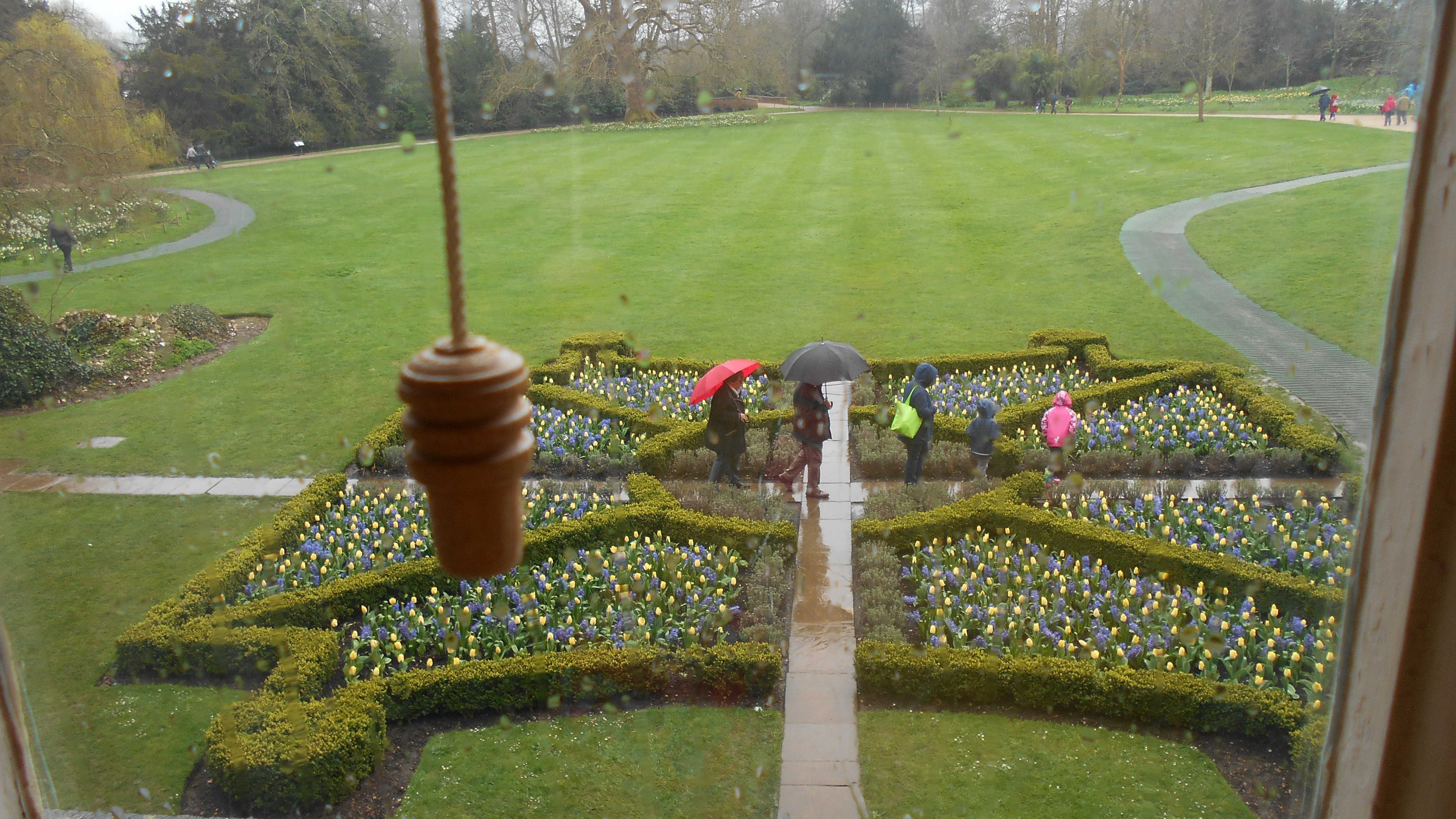
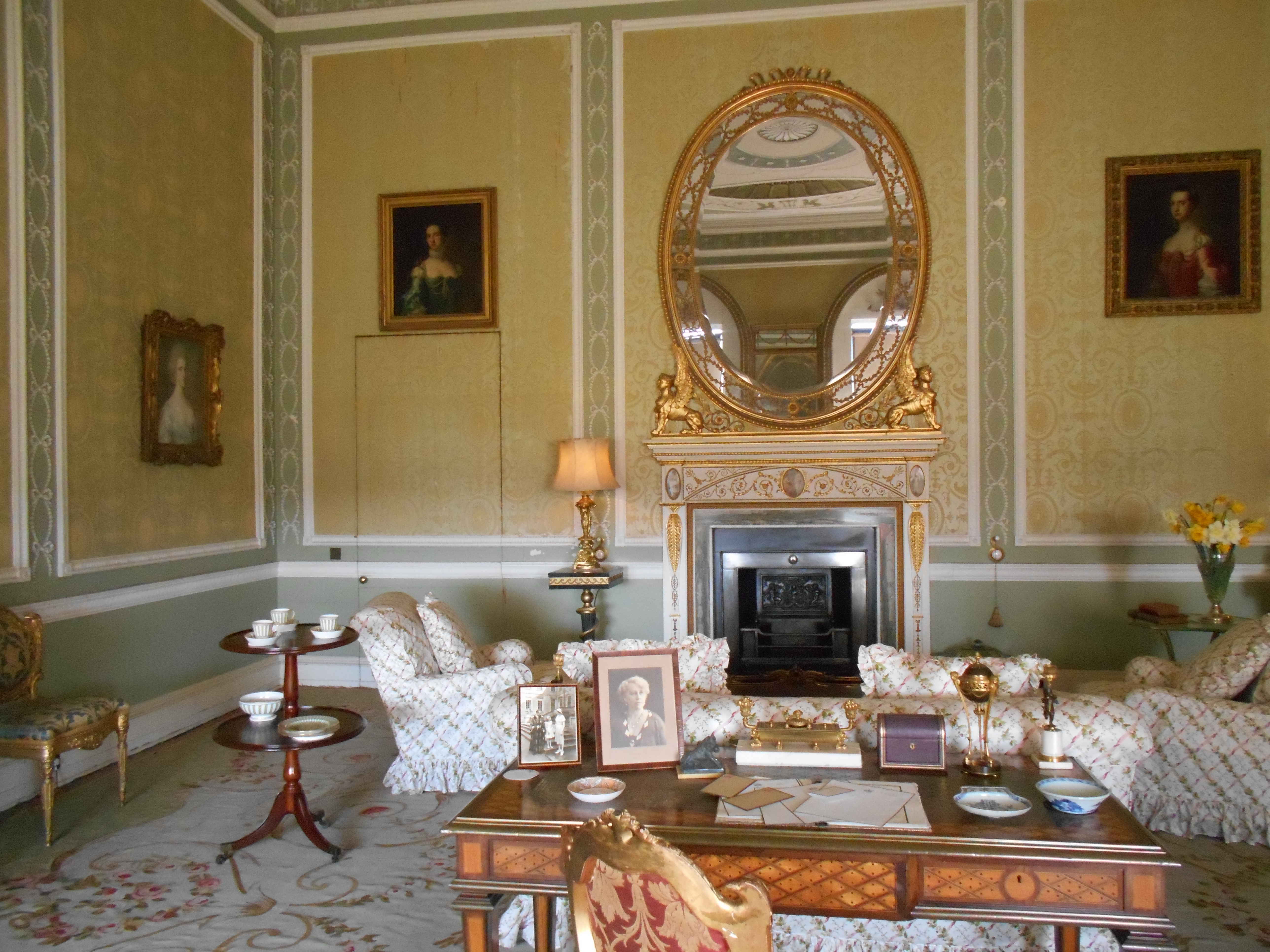


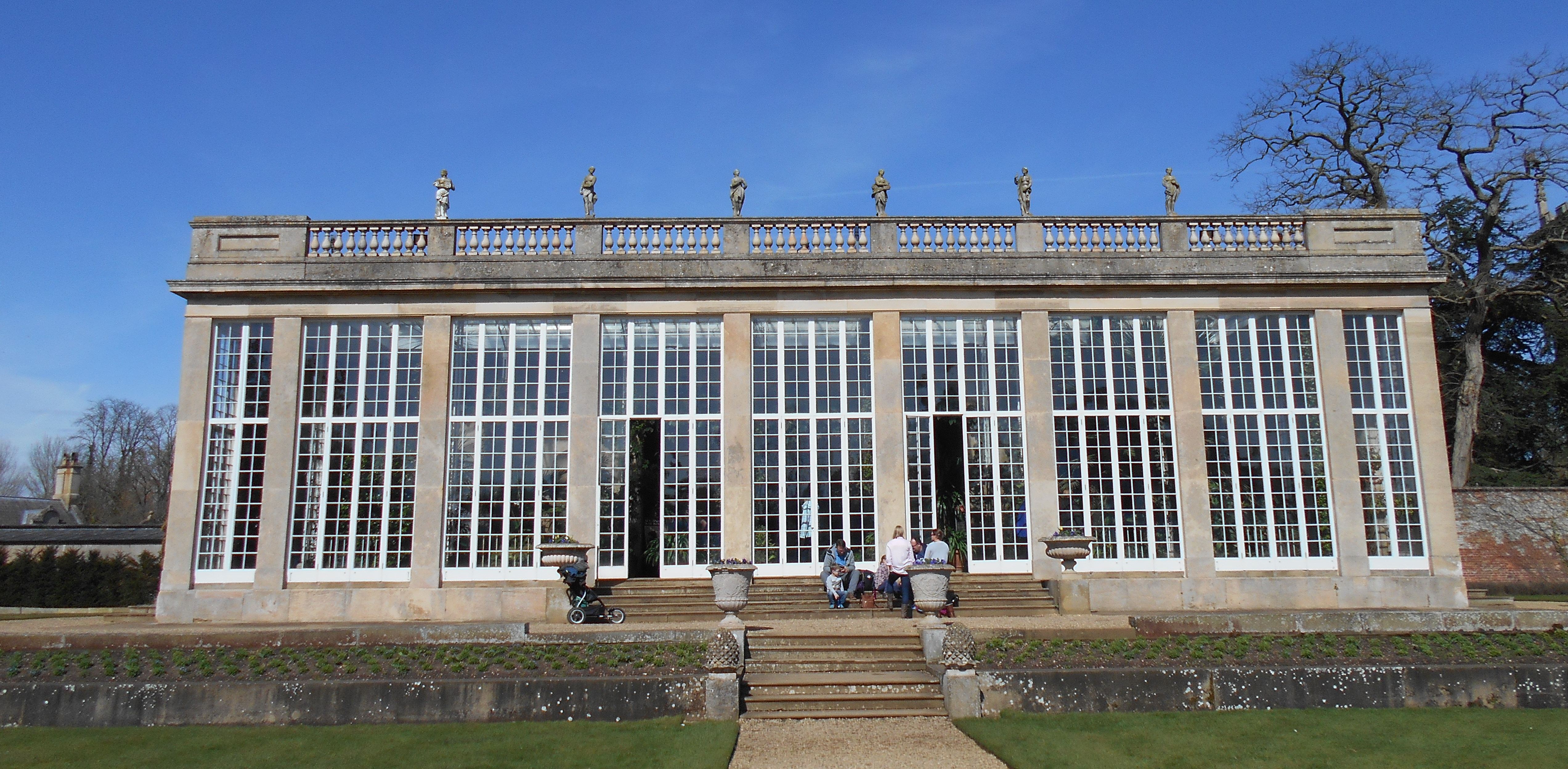
No visit would be complete without tea and cake or a nice lunch. This will be in the stable block, the old kitchen or the orangery, always a restaurant with character. Then you can rummage through the second hand bookshop which could be tucked away in an outbuilding. The Shop is a must; tasteful and expensive souvenirs, tea towels to bone china. Don’t miss the books, there are bound to be real life stories about the lady of the house or the black sheep of the family.
Perhaps you have visited Durlswood, you may or may not find it in the National Trust guide book, but you can read the mysterious happenings of 2014 in the novella Durlswood, part of the Someone Somewhere collection.
 Times and Tides of a Beachwriter